What Does Movement Mean in Art?
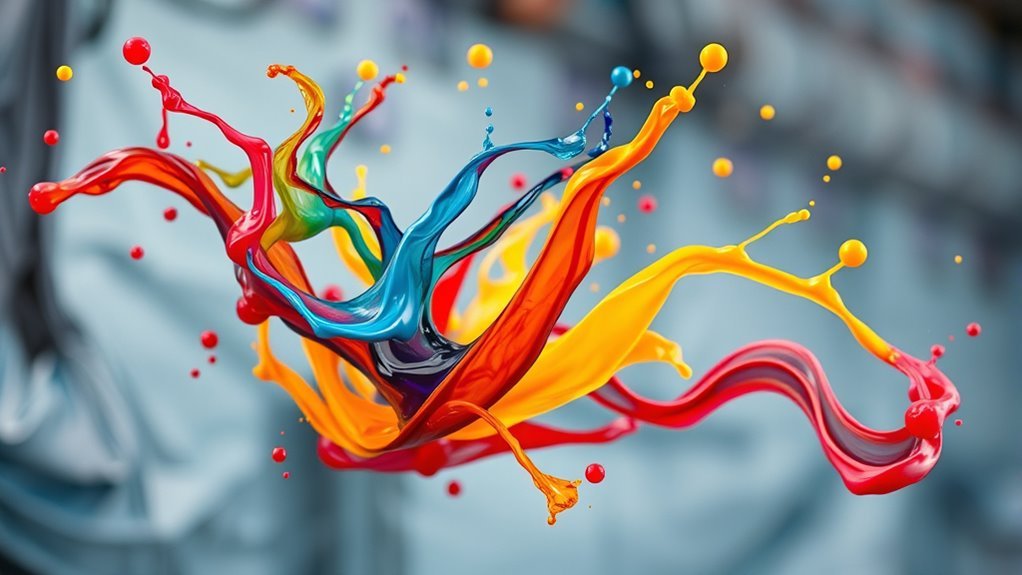
Movement in art means you see motion and energy in a still image, which brings it to life. It’s about guiding your eye through lines, shapes, and rhythm to create a sense of flow and emotion.
When an artwork has movement, it feels dynamic and engaging, almost like it’s telling a story.
Artists use techniques like dynamic brushwork and repetition to make the scene feel alive and full of story. These methods help your eyes travel across the piece naturally, keeping you connected.
This helps you connect with the artwork beyond what’s simply shown.
Exploring these ideas reveals how movement truly transforms art. It’s not just about what you see, but how you feel and experience the energy within the piece.
Movement gives art a pulse, making it unforgettable.
Key Takeaways
- Movement in art creates the illusion of motion within a static image, making it appear dynamic and lively. It really brings a piece to life.
- It guides the viewer’s eye through the composition, which makes the whole experience more engaging and helps tell a story.
- Artists use lines, brushwork, scale, and repetition to simulate motion and rhythm visually. These techniques help mimic the feeling of movement.
- Movement also conveys the passage of time and emotional energy within artwork. It’s like you can feel the mood and flow just by looking.
- It transforms simple visuals into immersive experiences by adding tension, flow, and visual vibration. That’s what makes art feel alive and exciting.
What Movement Means in Art and Why It Matters
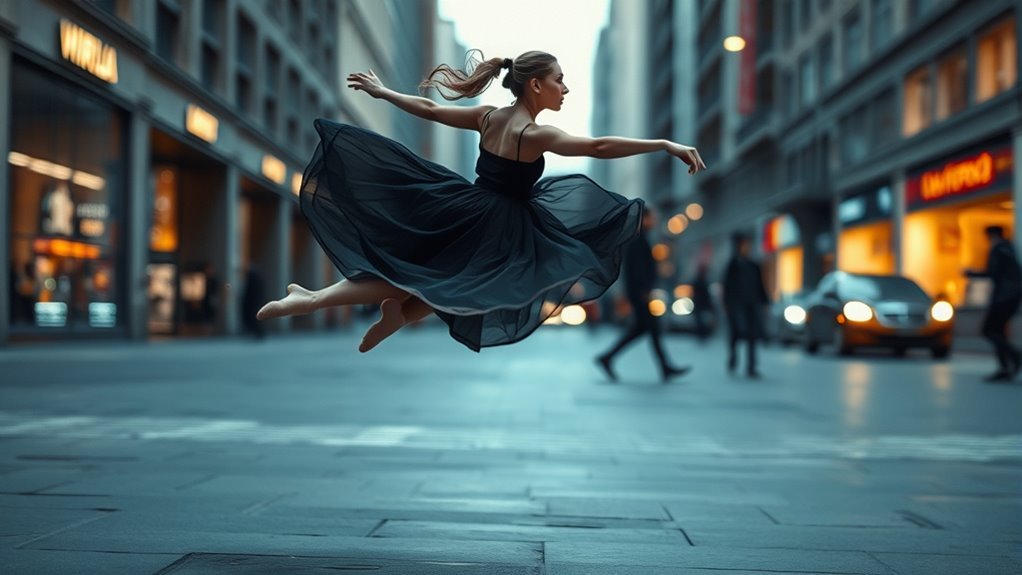
How does movement in art bring a static image to life? Movement in art is all about creating the illusion of movement within visual art, turning still images into dynamic experiences.
You’ll notice that techniques artists use—like manipulating lines, colors, and shapes—help create movement and a sense of movement that guides your eye and energizes the piece.
This art movement isn’t just about motion; it’s about dynamism, emotion, and storytelling.
The techniques used add tension and rhythm, making you feel the flow or action embedded in the artwork. Understanding movement helps you appreciate how artists convey time passing or emotional energy.
This makes their work more engaging and alive.
By recognizing these elements, you’ll see why movement matters—it transforms simple visuals into enthralling stories that pull you in and keep your attention focused.
Movement in art truly breathes life into the static.
Visual Techniques Artists Use to Create Movement in Art
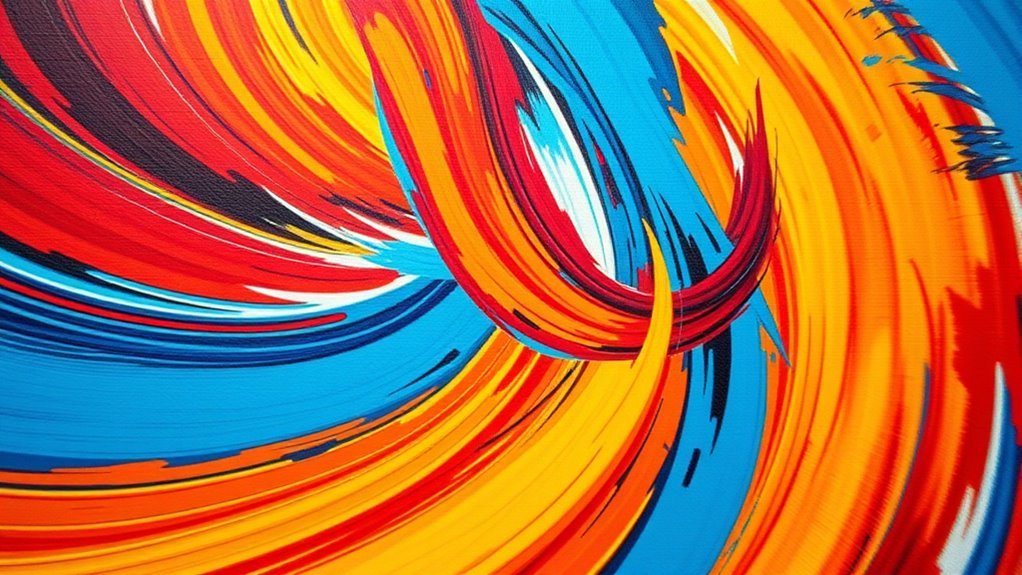
Although movement in art is an illusion, artists skillfully use visual techniques to make you feel motion and energy. They employ lines—like diagonal, zig-zag, and sweeping curves—that imply movement and guide your eye through the composition.
Dynamic brushwork and vibrant contrast enhance this sensation, creating a lively rhythm within the artwork. You’ll notice how variations in scale, size, and placement of shapes suggest direction and speed, making the scene feel active.
Repetition of motifs and patterns, especially in Op Art, uses contrast and visual vibration to generate movement without depicting actual figures. Artists also manipulate composition by clustering, spacing, and adjusting scale to imply motion and the passage of time.
These techniques work together, engaging your perception and making the static artwork seem alive with energy and flow. By understanding these methods, you can better appreciate how artists imply movement and bring still images to life.
Frequently Asked Questions
What Is an Example of Movement in Art?
An example of movement in art is Jackson Pollock’s drip paintings. You’ll notice how his energetic, spontaneous paint application makes the artwork feel alive and dynamic.
It really pulls your eyes across the canvas in continuous motion, almost like the painting is moving right in front of you. It’s pretty mesmerizing when you look at it closely!
What Is the Definition of Motion in Art?
Motion in art means you create the illusion of movement within a still image. You use lines, shapes, or patterns to make viewers feel energy, flow, or action, even though the artwork itself doesn’t physically move.
It’s like tricking the eye into seeing something dynamic. So, even though everything is still, the art feels alive and active.
How Do You Describe Movement in a Painting?
You know what they say, “A picture is worth a thousand words.”
You describe movement in a painting by noticing dynamic lines, off-center figures, overlapping elements, rhythmic patterns, and blurred forms that guide your eye and suggest motion.
It’s all about how these details work together to create a sense of energy and flow. Makes you feel like the scene is alive, doesn’t it?
Conclusion
When you think of movement in art, picture a dancer’s flowing steps frozen in time—each line and color guiding your eye like music. Movement isn’t just about action; it’s the heartbeat that brings a still image to life.
Studies show viewers engage 30% longer with artworks that convey movement, proving its power to captivate. So, next time you gaze at a painting, let it move you beyond the frame and into its story.
Movement in art creates a sense of rhythm and energy that pulls you in. It’s more than just visual action; it’s about how the artwork makes you feel alive and connected. When artists use movement effectively, they transform static images into dynamic experiences, making the art speak to your emotions and imagination.
So remember, movement in art isn’t just a technique—it’s the magic that breathes life into creativity and keeps viewers engaged longer. Let movement guide your eyes and emotions, turning every artwork into a vivid journey.