7 Common Workplaces Where Art Therapists Work
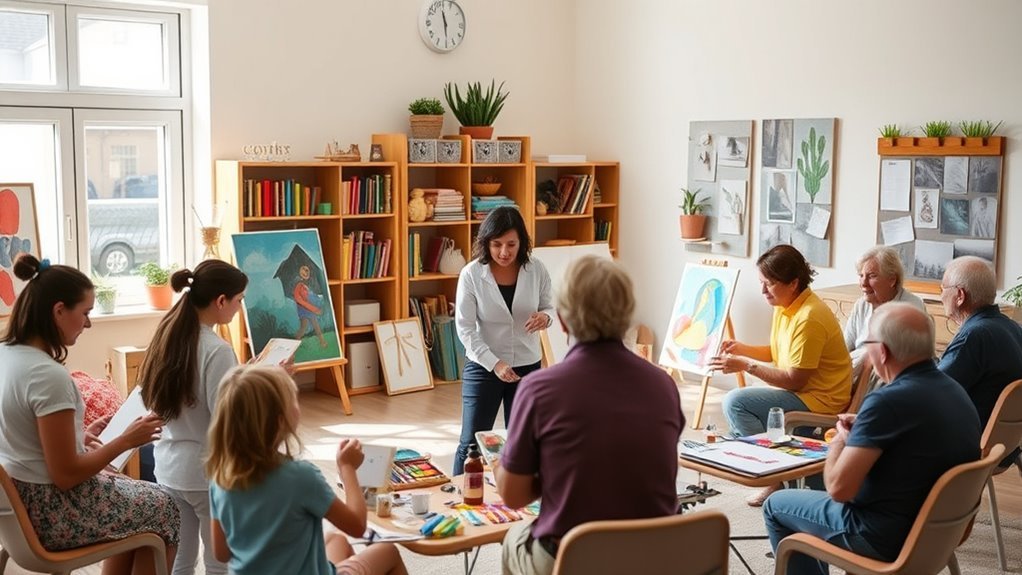
You’ll find art therapists working in hospitals and mental health clinics, schools, rehabilitation centers, residential facilities, community centers, nonprofit organizations, and private practices. These common workplaces provide unique opportunities for art therapists to use creative activities that support emotional healing and boost mental wellness.
They promote personal growth in diverse populations by tailoring treatments to fit each setting’s needs. Whether helping with trauma, developmental challenges, or everyday stress, art therapists adapt their approach to best serve their clients.
Keep exploring, and you’ll uncover how these environments uniquely foster healing through art.
Key Takeaways
- Hospitals and mental health clinics provide supervised art therapy to support emotional well-being and mental health treatment. It’s a great way to help patients express feelings they might find hard to put into words.
- Rehabilitation centers use art therapy to aid physical recovery and emotional coping for diverse medical conditions. This approach can really boost both body and mind during healing.
- Schools implement art therapy to improve children’s emotional regulation, social skills, and behavioral challenges. It’s a helpful tool for kids who need extra support managing their feelings and interactions.
- Community centers and nonprofit organizations offer accessible group art therapy for underserved populations and social-emotional growth. These sessions create a safe space where people can connect and heal together.
- Private practice settings deliver personalized, flexible art therapy services tailored to individual client needs and progress. This means therapy can really focus on what each person is going through, at their own pace.
Art Therapy in Hospitals and Mental Health Clinics
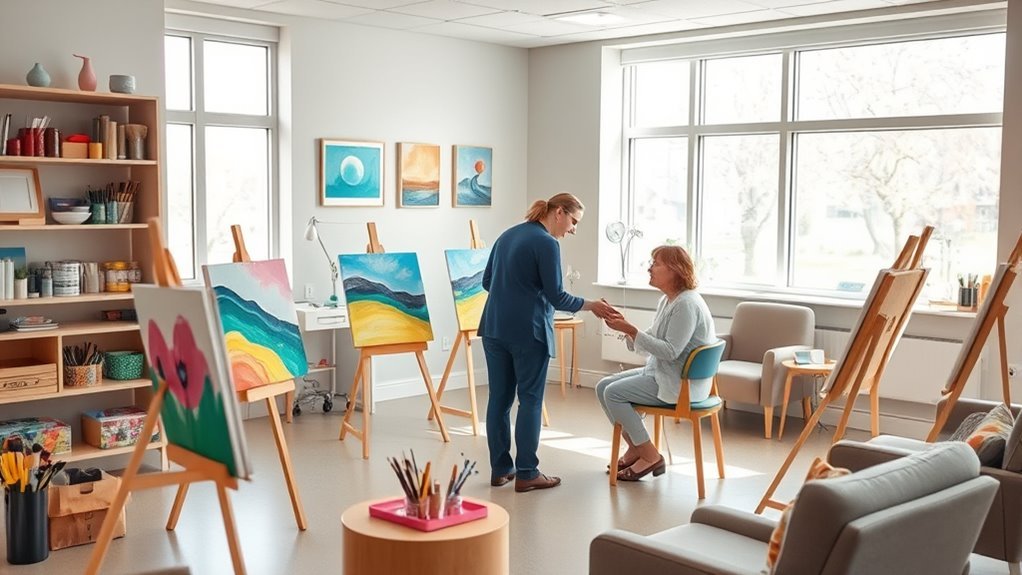
How can art therapy make a difference in hospitals and mental health clinics? When you engage in art therapy in these settings, you tap into a powerful tool to manage anxiety, depression, trauma, and other mental health challenges.
In hospitals and mental health clinics, art therapy involves supervised sessions where clients express their emotions through creative activities like drawing, painting, or sculpture. These sessions aren’t just about making art—they’re carefully guided to support your emotional well-being.
As a client, you benefit from individualized treatment plans developed in collaboration with medical and mental health professionals. Art therapists observe and interpret your artistic expressions to understand your emotional state and monitor progress.
Whether you’re a child, adult, or elderly patient, these sessions provide a safe space to explore feelings and promote healing. In hospital and clinic environments, art therapy is a valuable complement to traditional treatment, helping you achieve better mental health outcomes.
Art Therapy in Schools
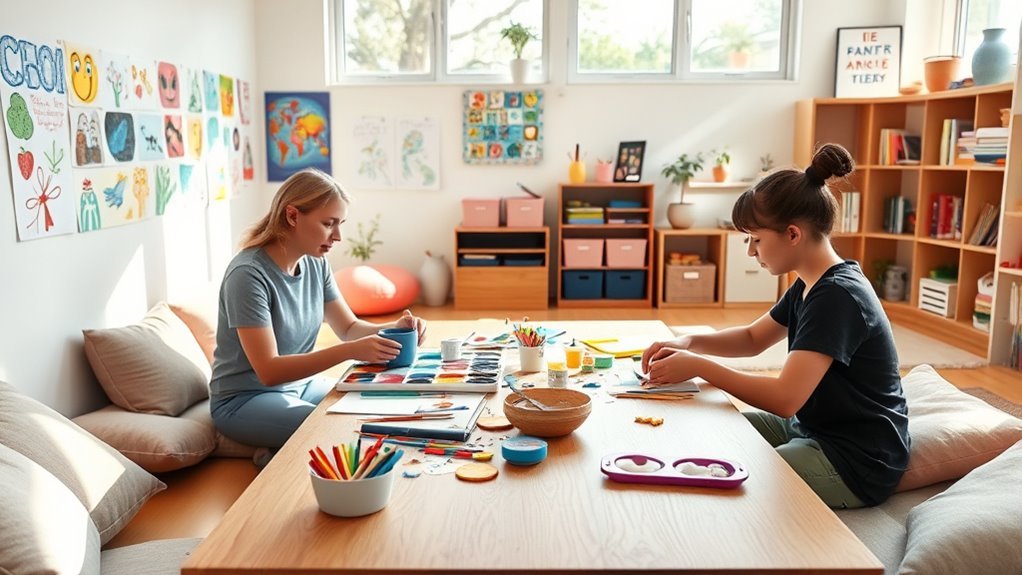
Why does art therapy play a crucial role in schools? Art therapists in schools help children tackle behavioral challenges and boost emotional well-being through creative expression. They don’t just work one-on-one; they also lead group therapy sessions that build communication and teamwork skills.
Art therapists in schools support emotional growth and teamwork through creative expression and group sessions.
By collaborating with teachers, counselors, and parents, art therapists create tailored programs that support students’ social-emotional growth and mental health needs. It’s all about making sure every child gets the support they need to thrive.
When you incorporate art therapy in schools, you’ll see benefits like improved emotional regulation and self-awareness. Plus, kids often develop better conflict resolution skills, which really helps in their daily interactions.
It’s also great for supporting children with special needs or mental health issues. And, through group therapy, students can strengthen their social skills in a safe, creative environment.
Community Centers Offering Art Therapy Programs
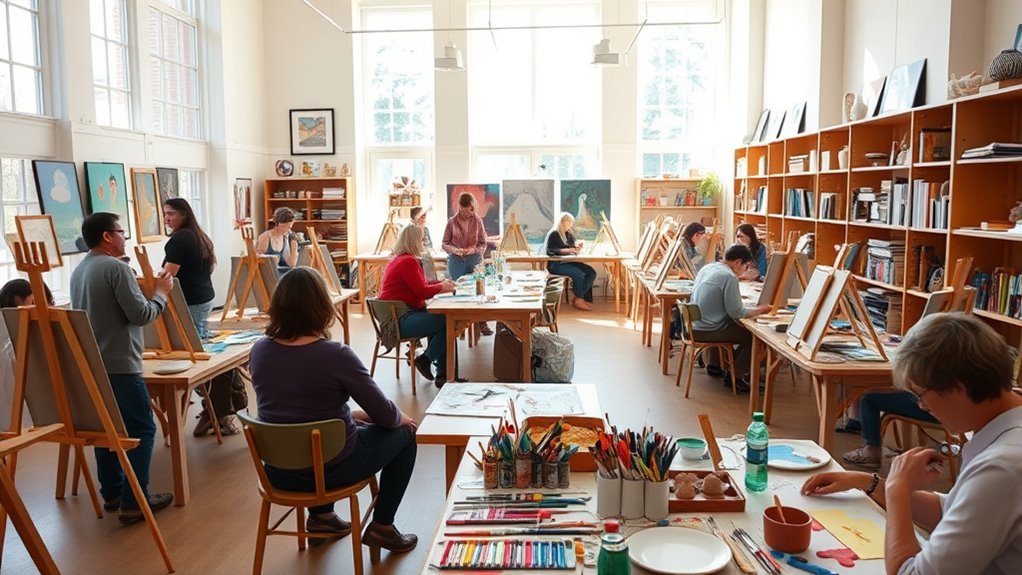
Beyond schools, community centers provide valuable spaces where art therapy programs help people of all ages improve their mental health and social skills. When you participate in these programs, you join diverse populations, including children, adolescents, adults, and seniors.
Everyone is working through challenges like trauma, depression, or social isolation. Community centers often offer group art therapy sessions, workshops, and recreational activities that encourage self-expression and build community connection.
These programs serve as accessible, low-cost mental health resources, especially for underserved or at-risk groups. If you’re an art therapist working in community centers, you’ll collaborate with social service providers to create programs tailored to local needs.
This teamwork guarantees the art therapy programs truly resonate with the community. By engaging in these supportive environments, you not only promote individual healing but also strengthen the social fabric of your community through creative connection and shared healing experiences.
Private Art Therapy Practices
When you run a private art therapy practice, you can tailor treatment plans to fit each client’s unique needs. You also have the flexibility to set your own schedule, making it easier to balance work and life.
It’s all about a client-centered approach, which lets you create a more personalized and effective therapeutic experience. Plus, having control over your practice means you can adapt as you go, which is pretty great.
Client-Centered Therapeutic Approaches
How do private art therapy practices create a space that truly centers on your individual needs? In a client-centered private practice, therapy is tailored specifically for you, ensuring personalized care that respects your unique experiences.
These practices often work with diverse populations, addressing various mental health concerns through creative expression. When you engage in therapy here, you benefit from a setting designed to support your growth and healing.
Key features include:
- Customized treatment plans focused on your goals
- Confidential, comfortable environments fostering trust
- Therapists skilled in working with diverse populations
- Emphasis on holistic mental health support through art
This client-centered approach helps you feel seen and supported throughout your therapeutic journey. It’s all about making sure you’re at the heart of every step.
Flexible Scheduling Advantages
Because private art therapy practices let therapists set their own schedules, you’ll find greater flexibility in booking sessions that fit your life. In private practice, flexible scheduling means you can align therapy sessions with client availability, including evenings or weekends.
This adaptability allows you to work part-time or full-time, giving you control over your workload and improving your work-life balance. You can easily adjust hours based on client demand, making your services more accessible and convenient.
This flexibility not only benefits your clients by providing timely, personalized sessions but also helps you maintain a healthy balance between professional and personal commitments.
Ultimately, private practice empowers you to create a schedule that supports both your clients’ needs and your lifestyle.
Personalized Treatment Plans
Although every client brings unique challenges, private art therapy practices let you tailor treatment plans specifically to their needs. In private practices, therapists design personalized treatment plans based on detailed assessment, ensuring each approach fits the client’s emotional and psychological goals.
You get the freedom to select artistic mediums that resonate best with your client, supporting a truly client-centered experience. It’s all about making the therapy fit the person, not the other way around.
Private art therapy practices offer you the chance to:
- Conduct thorough assessments for targeted strategies
- Customize techniques for individual therapeutic goals
- Adapt long-term plans as clients evolve
- Provide a confidential, safe space for personal exploration
This flexibility in private practices empowers you to deliver art therapy that genuinely meets each client’s unique needs. It’s a chance to be creative, responsive, and truly supportive every step of the way.
Art Therapy in Rehabilitation Centers
Where can art therapy make a real difference in healing? In rehabilitation centers, art therapy plays an essential role in helping clients recover from physical injuries, neurological conditions, and substance abuse.
By using creative arts, therapists design activities that improve motor skills, reduce stress, and encourage emotional expression. You’ll find that art therapy supports mental health alongside physical recovery by fostering better coping strategies.
Working closely with medical staff, art therapists tailor interventions to meet each client’s unique emotional and physical needs. Many professionals in these settings have specialized training to adapt art activities for clients facing cognitive or physical challenges.
This personalized approach ensures that art therapy not only aids physical rehabilitation but also enhances overall wellbeing. If you’re considering a career in this field, rehabilitation centers offer a dynamic environment where art therapy directly contributes to clients’ healing journeys, making a meaningful impact on both body and mind.
Residential Art Therapy Facilities
When you work in residential art therapy facilities, you’ll help individuals who need long-term support for mental health, behavioral, or developmental challenges. These settings offer a structured environment where you create tailored art programs that promote emotional regulation and personal growth.
You’ll collaborate closely with multidisciplinary teams to develop and implement effective treatment plans addressing clients’ unique needs. Your clients often include those recovering from trauma, chronic mental illnesses, or developmental disabilities.
In this setting, your work supports vulnerable populations requiring consistent care.
In residential art therapy facilities, you’ll:
- Design individualized art activities that enhance emotional regulation
- Support clients’ social skills and personal development
- Collaborate with multidisciplinary teams to align treatment plans
- Provide a therapeutic space for clients with complex mental health needs
Your role is essential in fostering healing and long-term progress within these supportive environments.
Nonprofit Organizations Offering Art Therapy
How can art therapy reach those who might not otherwise have access to mental health support? Nonprofit organizations play an essential role by employing art therapists in community clinics and other settings to serve underserved populations.
They often partner with hospitals, schools, and social service agencies to provide accessible mental health services. You’ll find art therapists leading group art therapy sessions for vulnerable groups like refugees, at-risk youth, and individuals with disabilities.
Funding usually comes from grants, donations, and government sources, enabling free or low-cost programs. These nonprofits also rely on art therapists to create outreach initiatives that foster social-emotional growth.
| Setting | Population Served | Therapy Focus |
|---|---|---|
| Community Clinics | Underserved populations | Group art therapy |
| Mental Health Nonprofits | Refugees, at-risk youth | Trauma, addiction |
| Social Service Agencies | Individuals with disabilities | Developmental challenges |
Nonprofit organizations make art therapy accessible, bridging gaps in mental health care.
Frequently Asked Questions
Where Do Art Therapists Usually Work?
You’ll usually find art therapists working in hospitals, schools, private practices, or community centers. They help people express emotions creatively and support mental health.
They also assist recovery, making a real difference in various therapeutic environments. It’s pretty rewarding work!
Where Do Art Therapists Make the Most Money?
You’ll make the most money working in private practice or specialized psychiatric hospitals, especially in big cities. Gaining experience and advanced certifications boosts your salary.
Universities can also pay well if you teach or research. So, if you’re into academia, that’s another good route to consider.
What Populations Do Art Therapists Work With?
You’ll work with diverse populations, including children, adults, elderly, and those with disabilities.
Did you know over 60% of art therapists help clients managing trauma and mental health challenges?
Your role truly transforms lives daily.
Who Do Art Therapists Work With?
You work with children, adolescents, adults, and older adults facing mental health challenges, trauma, or physical conditions.
You also support those with developmental disabilities, autism, brain injuries, and chronic illnesses, tailoring therapy to their unique needs.
Conclusion
Whether you find yourself in a bustling hospital or a quiet private practice, art therapy bridges the gap between chaos and calm. You’ll see it transforming schools filled with youthful energy and rehabilitation centers focused on healing scars—both visible and unseen.
This blend of creativity and care shows you how art therapy thrives in places that seem worlds apart, yet share the same goal: helping people express, heal, and grow. From mental health clinics to community centers, art therapists create safe spaces where emotions can be explored visually.
No matter the setting, art therapy plays a vital role in promoting emotional well-being and personal growth. It’s amazing how this approach helps individuals unlock their inner strength and find peace through creative expression. That’s why art therapy continues to be a powerful tool across various workplaces, always aiming to nurture healing and self-discovery.