Why Is Modern Art So Badly Criticized?
You find modern art frustrating because it often focuses on abstract ideas and political messages rather than visible skill or emotional impact.
Without background knowledge, its meaning feels unclear or trivial.
Galleries and the art market also shape what you see, favoring works that boost status and profits over genuine creativity.
This combination makes modern art seem exclusive and hard to appreciate.
Exploring these influences can reveal why it stirs such strong opinions.
Once you understand the role of these factors, modern art might start to make more sense and even become more enjoyable.
Key Takeaways
– Modern art often lacks visible technical skill, making it harder for audiences to appreciate craftsmanship.
Because you don’t see the usual brush strokes or detailed work, it can feel less impressive at first glance.
– Abstract and conceptual works usually need some background or context to really get them.
If you’re not familiar with the artist’s ideas or don’t have an explanation, it can feel pretty alienating.
– Market-driven galleries tend to focus more on making money and gaining status than on genuine creativity.
This often means the quality of the art can take a backseat to what sells best.
– There’s also a bit of elitism in art institutions that limits who gets access.
This shapes how the public sees modern art, often making it seem exclusive or hard to approach.
– A lot of modern art puts more emphasis on ideas or political messages rather than on how it looks.
Because of that, some people end up seeing it as trivial or meaningless rather than beautiful or inspiring.
Why Modern Art Can Be So Confusing and Hard to Like
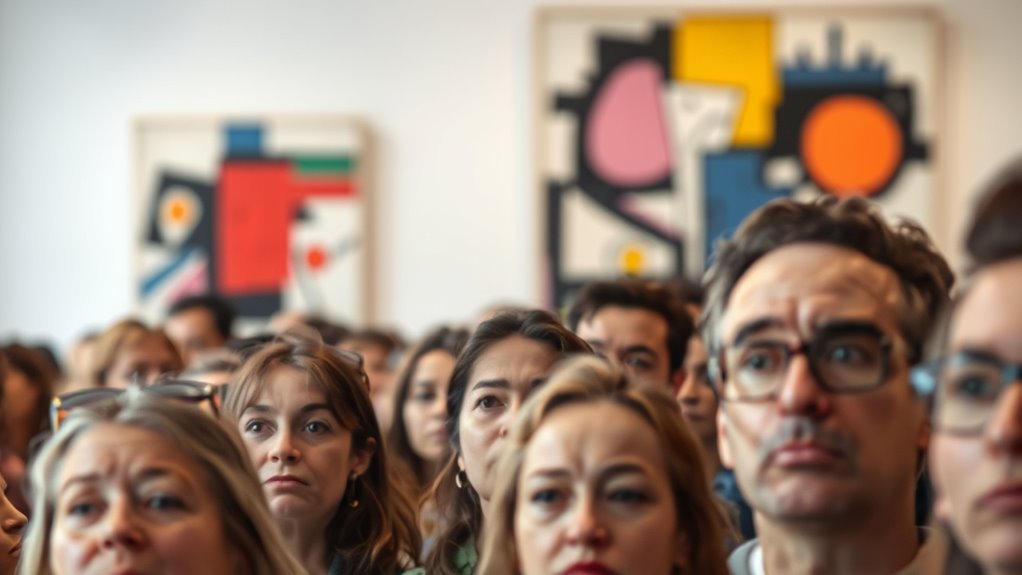
Although modern art challenges traditional expectations, you might find it confusing or hard to like because many pieces lack visible craftsmanship or clear technical skill.
Abstract art and conceptual art often depend on context or explanations, which can leave you feeling disconnected if you don’t have the right art background.
Unlike traditional art, which emphasizes visual appeal and mastery, many modern art forms prioritize ideas or political messages over aesthetics. This shift makes art appreciation more challenging, especially when art institutions promote works that seem trivial or meaningless.
As a result, art criticism frequently debates the value of these pieces, leaving you to wonder if modern art truly deserves its place in the art market or if it simply alienates those who seek emotional or visual connection.
How Galleries and the Art Market Influence What We Think About Modern Art
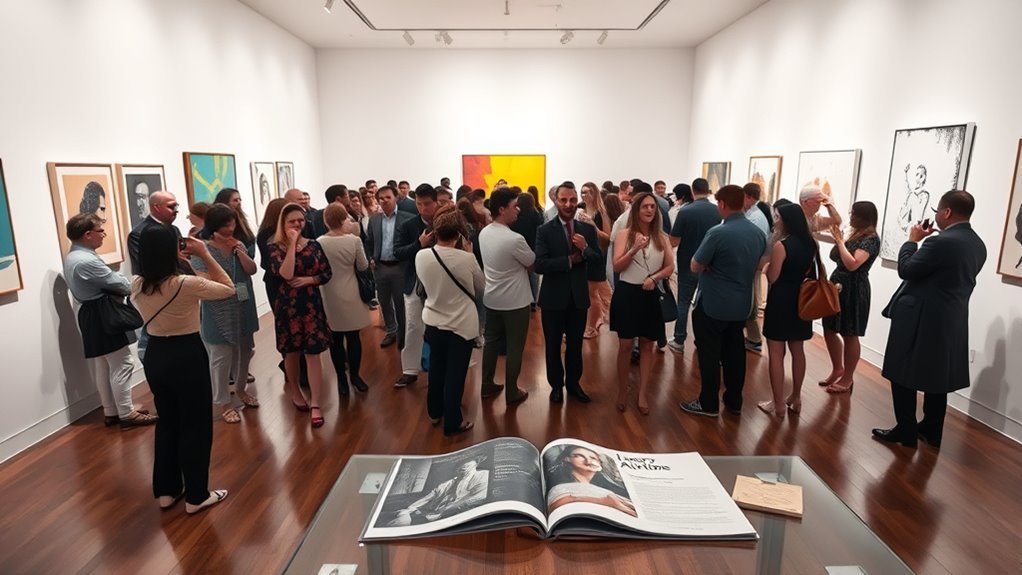
When you visit galleries or follow the art market, you quickly realize that what’s showcased isn’t just about artistic merit but often about financial gain and social status. Art institutions, mostly private, cater to a wealthy elite, shaping public perception through exclusive spaces and marketable works.
The art world thrives on financial motives, where art commercialization and resale dominate over genuine creativity. This elitism in galleries influences what you see and value in modern art, often prioritizing pieces that boost art collections rather than challenge or inspire.
| Aspect | Impact on Art World | Your Experience |
|---|---|---|
| Galleries | Favor marketable works | Limited exposure |
| Art Market | Driven by financial motives | Speculation overshadows art |
| Art Institutions | Reinforce elitism | Access barriers |
| Art Commercialization | Shapes artist output | Perceived value shifts |
| Public Perception | Influenced by art collection | Biased understanding |
Frequently Asked Questions
Which Famous Artist Died Penniless?
Vincent van Gogh died penniless despite creating over 2,000 artworks. You might find it shocking that his immense talent wasn’t recognized during his life, leading to financial struggles and mental health challenges before his tragic death.
Who Is the Most Controversial Artist of All Time?
Like a lightning rod in a storm, Maurizio Cattelan is the most controversial artist of all time. You’ll find his provocative works challenge norms, sparking outrage and admiration, forcing you to rethink what art truly means.
Do People Actually Like Contemporary Art?
You’ll find some people genuinely like contemporary art, especially those who appreciate its innovation and concepts. But many don’t connect with it, feeling it’s confusing or elitist, so opinions vary widely across audiences.
Why Is Modern Art so Hard to Understand?
Modern art’s like a puzzle with missing pieces—you’ll struggle because it often lacks clear visuals and relies on ideas over craft. You’ll need to dig into context and symbolism to truly grasp its meaning and value.
Conclusion
So, you’re baffled by modern art? Don’t worry—you’re not alone. It’s like trying to decode a toddler’s fridge scribbles sold for millions.
But hey, galleries and the art market have your back, convincing you that a blank canvas screams genius. Next time you squint at a splatter or a bent wire, just nod knowingly—you’re part of the elite crowd who “gets it,” even if your cat could’ve made that masterpiece.
Modern art often gets badly criticized because it challenges traditional ideas of what art should be. People expect clear meaning or technical skill, but modern pieces sometimes focus on concept or emotion instead. That disconnect can make viewers feel lost or frustrated.
Still, whether you love it or hate it, modern art sparks conversation and pushes creative boundaries. So, the next time you find yourself puzzled by a canvas that seems “bad,” remember: it might just be a bold statement in disguise, inviting you to see art differently.