
How to Commission Art in 3 Simple Steps
To commission art, start by sharing your favorite styles and themes clearly. Include reference images and explain your personal reasons for these choices. This helps the artist understand your vision and makes the process smoother.
Next, measure your space carefully. Pick an artwork size and style that complements your room and furniture to create balanced visual appeal. A well-chosen piece can really transform your space.
Finally, set a clear budget and agree on payment terms upfront. Don’t forget to include deposits and any extra costs like framing or delivery.
Keeping these steps in mind will help your project flow smoothly and ensure the final piece fits your vision perfectly. There’s always more to explore for a perfect commission!
Key Takeaways
- Define your artistic preferences by sharing reference images and explaining themes or emotions you want in the artwork. This helps the artist understand your vision clearly.
- Measure your space and choose an artwork size and style that complements your room and viewing distance. It’s all about making sure the art fits perfectly where you want it.
- Set a clear budget including potential extra costs like framing, delivery, and installation before contacting the artist. That way, there are no surprises later on.
- Communicate payment terms upfront, typically a 50% non-refundable deposit, and outline the full payment schedule. This keeps everything transparent and fair for both sides.
- Finalize the agreement with a contract detailing costs, timelines, and responsibilities to protect both parties. It’s a smart step to make sure everyone’s on the same page.
Tell the Artist What Styles and Themes You Love

When you commission art, start by showing the artist examples of styles and themes you love so they clearly understand your vision. Share reference images that capture your favorite art styles—whether realistic, abstract, or impressionist—to set clear creative direction.
Explain what draws you to these pieces: Is it the color palette, mood, or subject matter? Highlight themes important to you, like nature, family, or fantasy, so the artist can align their work with your artistic preferences.
Don’t hesitate to share personal reasons or emotional connections behind your choices; this visual inspiration helps the artist create something truly meaningful. By communicating your artistic preferences and providing concrete examples, you guarantee the artist grasps both the style and themes you want reflected.
This upfront clarity saves time and guides the creative process effectively, resulting in a commissioned piece that resonates deeply with your vision.
Choose the Right Size and Style for Your Space
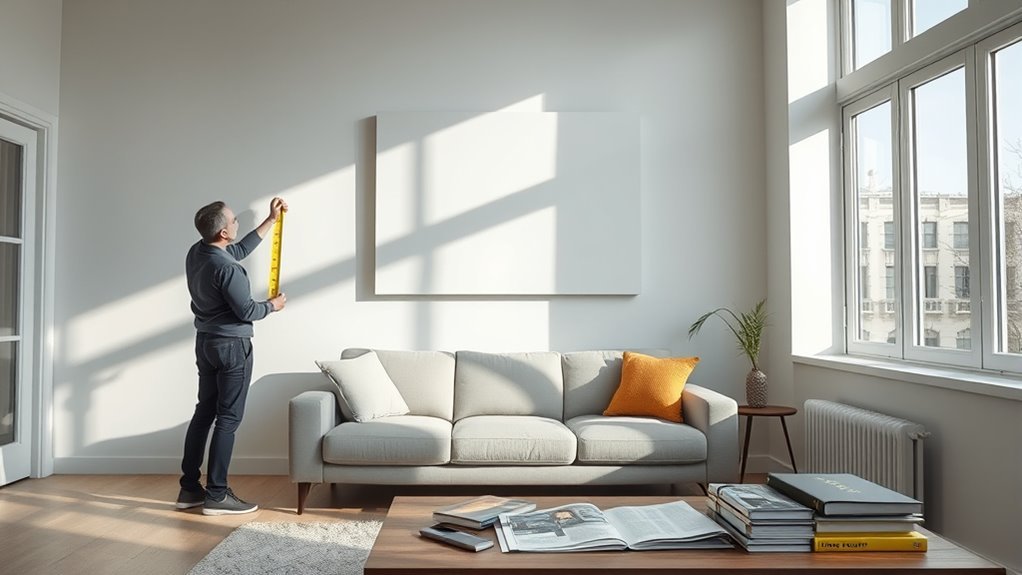
Although selecting the perfect artwork involves your personal taste, you should first measure the available wall space to guarantee the piece fits well. Proper measurements ensure the size suits the room and maintains visual balance with existing furniture and decor.
Choose a style that complements your interior decor and reflects the mood you want to create. Also, consider the viewing distance: larger pieces work well for distant viewing, while smaller ones fit intimate spaces.
Here’s a quick guide:
| Aspect | Recommendation |
|---|---|
| Measurements | Measure wall space accurately |
| Size | Match scale with furniture and room |
| Style | Complement existing interior decor |
| Visual Balance | Ensure artwork doesn’t overwhelm space |
With these tips, your artwork selection will enhance your space beautifully and harmoniously.
Decide Your Budget and Payment Plan Upfront

How much are you willing to invest in your commissioned artwork? Setting a clear budget before contacting an artist helps establish mutual financial expectations and avoids surprises.
Decide on a payment plan upfront, commonly involving a non-refundable deposit—usually 50%—to secure the project, with the remaining balance due upon completion. Remember to factor in additional costs like framing, delivery, or installation to your overall budget.
Plan your payment with a 50% non-refundable deposit and include extra costs like framing or delivery.
Be sure to maintain transparency with your artist about your maximum spend to prevent misunderstandings later. Confirm payment methods and schedules clearly in the contract, which protects both parties and keeps the process smooth.
This contract should outline the deposit amount, total costs, and payment timeline, ensuring everyone is on the same page. By deciding your budget and payment plan upfront, you set a solid foundation for a successful and stress-free art commission experience.
Frequently Asked Questions
How to Commission Art for Beginners?
You should research artists and choose one that matches your style. Make sure to clearly share your ideas with them, so they know exactly what you want.
Agree on the terms with a contract to keep things clear and fair. Keep communication open throughout the process, and don’t hesitate to give feedback.
When the piece is almost done, approve the final version before arranging delivery or framing. This way, you’ll get exactly what you envisioned.
What Is the 70 30 Rule in Art?
Imagine baking a cake where 70% is the recipe’s precision and 30% the decoration.
The 70/30 rule in art means your artwork’s value relies mostly on skill, with creativity adding the finishing touch.
It’s like getting the basics right first, then letting your imagination shine through. Makes sense, right?
What Are Some Good Art Commission Ideas?
You can commission personalized portraits of loved ones or pets, custom landscapes that capture special memories, whimsical children’s illustrations,
commemorative pieces for milestones, or abstract art with personal symbols that evoke deep emotions and meaning.
There are so many ways to make your art unique and meaningful! Just think about what story or feeling you want the piece to express.
How to Write an Art Commission?
You’ll want to craft a heartfelt blueprint: share your vision clearly, sprinkle in visuals, gently mention your budget and timeline,
and wrap it with a respectful agreement outlining rights, payments, and checkpoints before the artist begins.
Conclusion
Commissioning art is like planting a seed—you nurture your vision and watch it grow into something beautiful. By clearly sharing your favorite styles and themes, you’re setting the foundation for a piece that truly reflects your taste.
Next, pick the perfect size for your space. This helps the artwork fit just right, whether it’s for your cozy living room or a bright office corner. Don’t forget to set a budget upfront, so both you and the artist are on the same page from the start.
Remember, communication is key, so stay open with your artist throughout the process. With these simple steps—sharing your vision, choosing size, and setting a budget—you’ll make commissioning art smooth and enjoyable. In the end, you’ll bring a unique artwork to life that truly speaks to you and enhances your space beautifully.