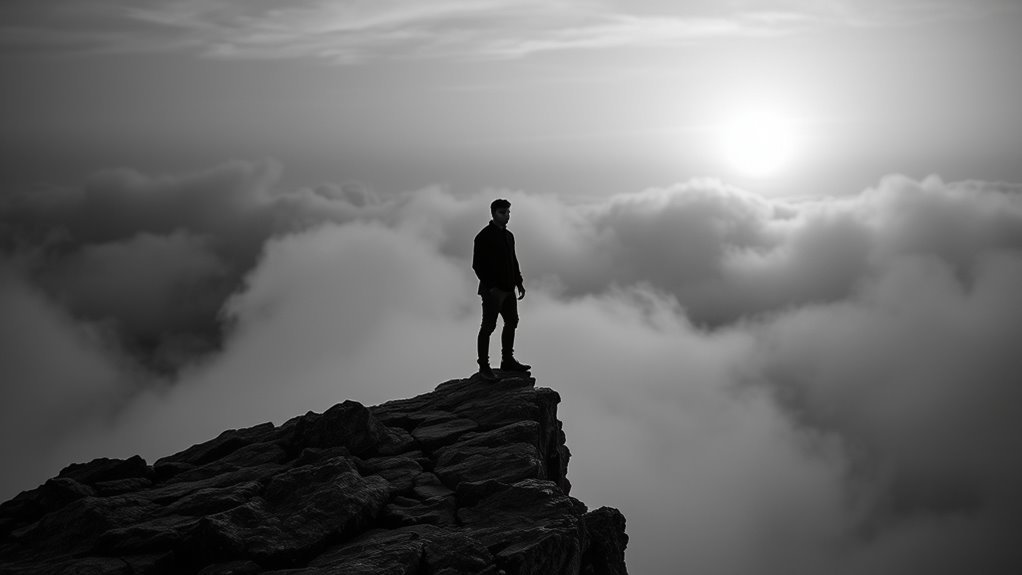
Is Photography Fine Art and How to Master It
Photography can definitely be fine art when you use it to express ideas and emotions beyond just capturing visuals. Fine art photography is all about creating images that convey deeper meaning and personal vision. It’s not just snapping a picture—it’s about telling a story or evoking a feeling through your work.
To master fine art photography, focus on developing a clear artistic vision that guides your lighting and composition. Experiment with different styles and approaches to find what resonates with you. Building a cohesive body of work that tells a meaningful story is key.
Also, sharpen your technical skills so your creative ideas come through clearly. Crafting an artist statement can help you communicate your intent and connect with your audience. Keep exploring these steps, and you’ll discover deeper creative potential and impact.
Key Takeaways
- Fine art photography goes beyond just looking good. It’s about expressing deep ideas, emotions, and an artistic vision that stands apart from commercial or documentary shots.
- To master it, you need to build a strong, cohesive collection of work. This means focusing on a clear theme and keeping a consistent visual style throughout.
- Start by brainstorming meaningful ideas. Then, play around with composition to boost your storytelling and emotional impact.
- Of course, solid technical skills in both photography and post-processing are key. They help you bring your artistic intentions to life effectively.
- Finally, writing a clear artist statement is super helpful. It lets you share the deeper meaning and purpose behind your work with others.
What Is Fine Art Photography? Key Characteristics and How to Identify It
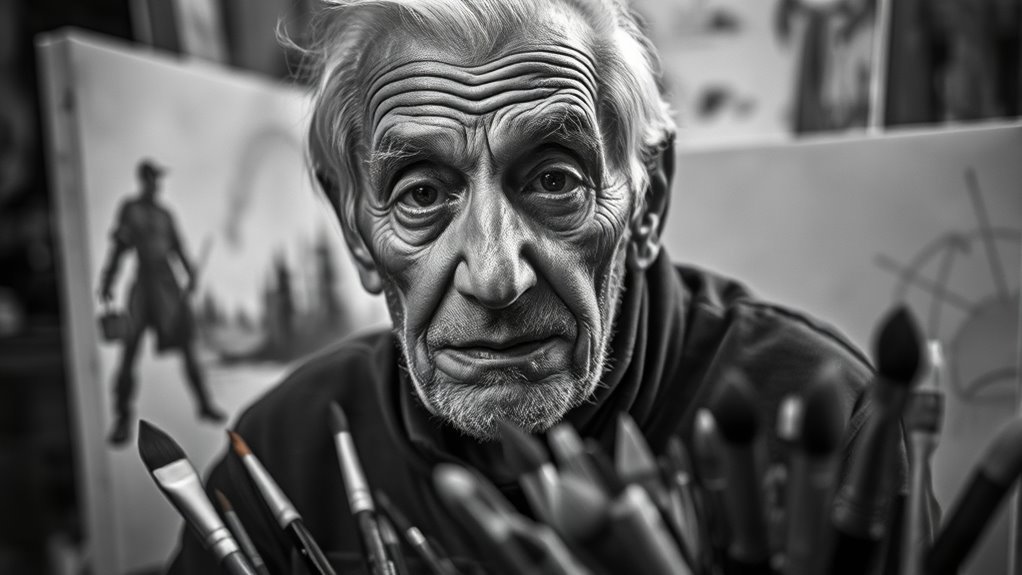
Although many photographs can be visually striking, fine art photography stands apart because it intentionally communicates ideas, emotions, or messages beyond mere aesthetics or commercial intent.
When you explore fine art photography, you’ll notice it’s defined by conceptual depth and emotional impact that resonate through every image. It’s not just about the subject matter or appealing composition; it’s about your artistic vision guiding lighting techniques and visual storytelling to convey a meaningful message.
To truly identify fine art photography, look for a cohesive body of work with consistent style and purpose. Each piece should reflect your artistic purpose, supported by an artist statement that explains the concept and motivation behind the work.
Developing Your Fine Art Photography Skills: From Concept to Creation
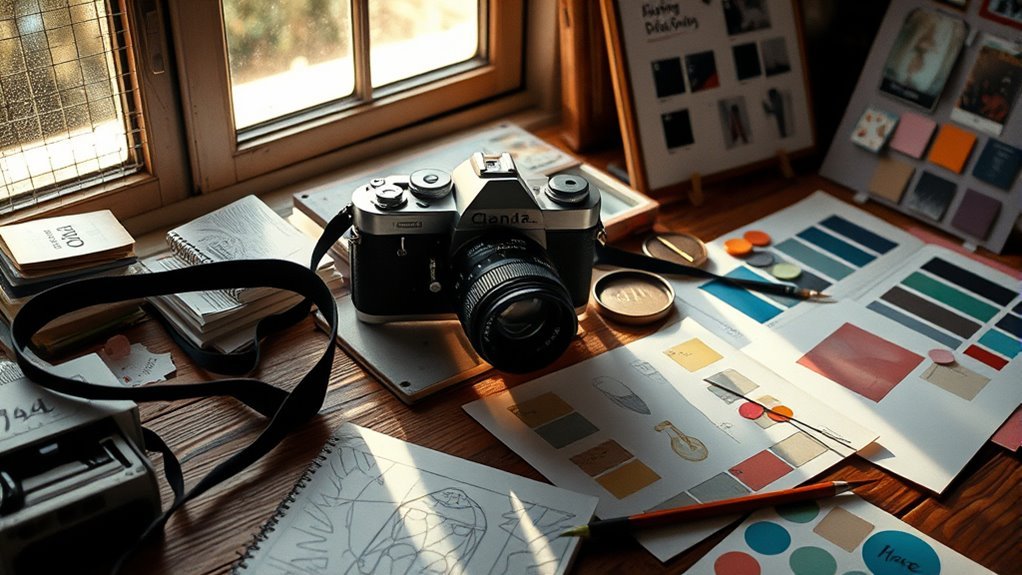
Understanding what defines fine art photography sets the stage for developing your own skills from concept to creation. Start your concept development by brainstorming ideas that resonate personally or socially, exploring them from different angles to clarify your artistic vision.
Try experimenting with composition techniques and styles to discover what best supports your visual storytelling. As you refine your creative process, focus on building a strong body of work around your chosen theme, selecting only images that enhance overall coherence.
Make sure to sharpen your technical skills in photography and post-processing to guarantee your final pieces authentically express your vision. Finally, craft a clear artist statement that explains your project’s purpose and message, providing essential context for viewers and critics.
Frequently Asked Questions
Is Photography Considered a Fine Art?
Yes, photography is considered fine art when you express your personal vision and emotions through deliberate composition and technique.
You’ll master it by focusing on concept, storytelling, and creating emotional impact beyond simple documentation.
What Is the 20-60-20 Rule in Photography?
Don’t put all your eggs in one basket; the 20-60-20 rule means 20% of your effort creates 60% of impact.
Is Photography Hard to Master?
Yes, photography’s hard to master because you’ll need years of practice to perfect exposure, lighting, and focus.
You’ll also have to develop your creative vision, learn composition, and keep improving through continuous practice and feedback.
What Makes You a Fine Art Photographer?
You become a fine art photographer by expressing your unique vision and emotions through images. It’s about developing a consistent style that feels true to you.
Crafting meaningful concepts is key, too. When your work is cohesive, it communicates a personal message to viewers.
And it’s all about making intentional artistic choices that bring your vision to life. That’s what really sets fine art photography apart.
Conclusion
You’ve seen that fine art photography is more than just capturing images; it’s about expressing emotion, telling stories, and creating meaning. You’ll develop your skills by practicing composition, mastering lighting, and refining your vision.
You’ll grow by experimenting boldly, learning continuously, and pushing creatively. Embrace the journey, trust your perspective, and commit to your craft.
Remember, fine art photography isn’t just what you shoot—it’s how you see, feel, and share the world. To truly master fine art photography, focus on developing a unique style that reflects your inner voice. Keep exploring different techniques and perspectives, and don’t be afraid to take risks. The key is consistent practice and a passion for storytelling through your images. Fine art photography is an art form that blends technical skill with personal expression, making each photograph a meaningful work of art.