What Is Radial Balance in Art?
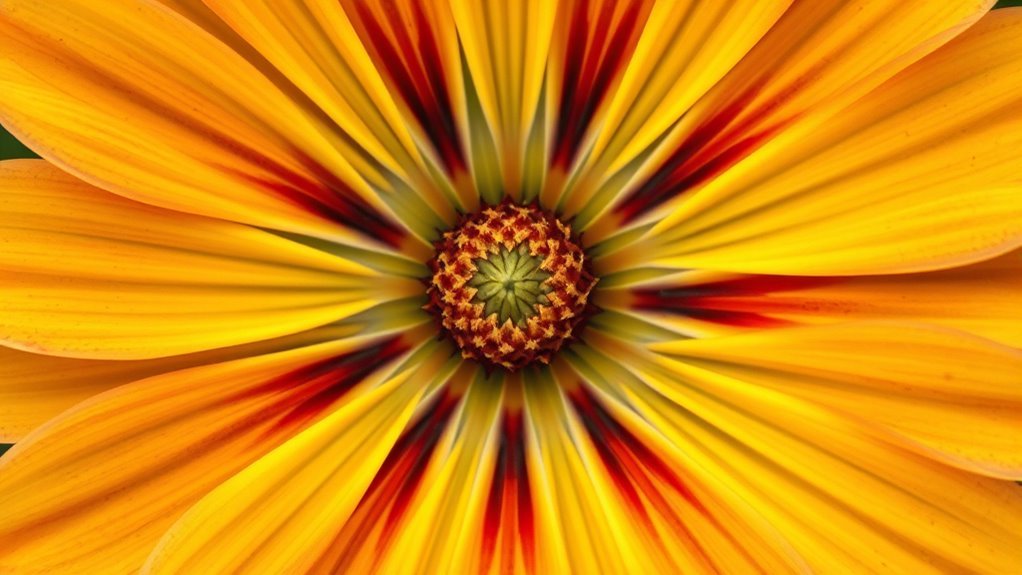
Radial balance in art happens when you arrange elements around a central point, creating a circular pattern that radiates outward. This setup draws the eye toward the center, giving your work unity and movement. It’s a key design principle that helps make compositions feel balanced and dynamic.
You can achieve radial balance by evenly spacing shapes or lines and maintaining symmetry or intentional asymmetry for harmony. It often appears in mandalas or clock faces.
These examples show how radial balance can guide the viewer’s attention while keeping everything visually connected.
Keep exploring to discover how to spot and craft this dynamic balance in your own artwork. Once you get the hang of it, radial balance can add a fresh, captivating rhythm to your designs. Give it a try and see how it transforms your creative pieces!
Key Takeaways
- Radial balance arranges visual elements around a central point, creating a circular pattern radiating outward. It emphasizes a central focal point, organizing shapes and lines for visual harmony.
- Radial balance can be symmetrical or asymmetrical, bringing unity and movement to compositions. It’s a great way to make your artwork feel balanced and dynamic.
- You’ll often see radial balance in mandalas, clock faces, and wheels, where the design highlights the center of the piece. The balance is achieved through evenly spaced elements radiating from the center.
- This arrangement naturally guides the viewer’s eye toward the focal point, making the composition feel cohesive and engaging. It’s a simple but powerful technique to create visual interest.
What Is Radial Balance in Art?
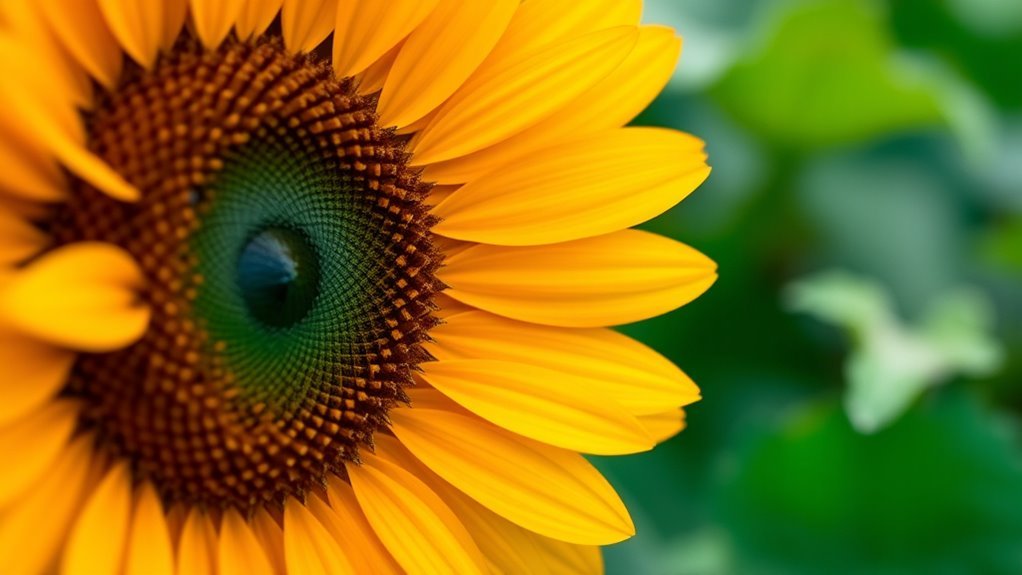
Have you ever noticed how some artworks draw your eye straight to the center and then guide it outward in a smooth, circular flow? That’s radial balance at work.
Radial balance arranges visual elements around a central point, creating a circular pattern that radiates outward. This design principle emphasizes a central focal point, organizing shapes and lines to achieve visual harmony and balance in art.
Whether symmetrical—with identical elements evenly spaced—or asymmetrical, radial balance brings unity and movement to the composition. You’ll often see it in mandalas, clock faces, and wheels, where the balance highlights centrality and evokes a sense of wholeness.
How to Spot and Create Radial Balance in Your Artwork
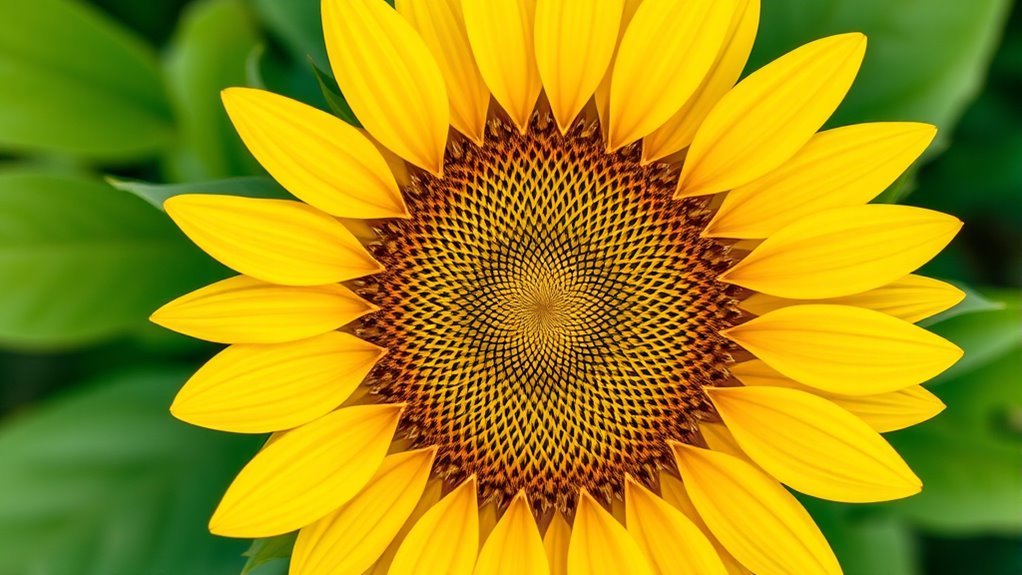
When you want to create radial balance in your artwork, start by arranging your elements around a central point so they radiate outward evenly. Focus on positioning your visual elements in a circular pattern that extends from this focal point.
To spot radial balance, look for compositions where symmetry and visual elements are distributed evenly around the center. This creates a strong focal point that naturally draws the viewer’s eye.
When arranging elements, make sure each shape or object radiates outward with equal spacing and size to keep everything looking harmonious. You can also use framing techniques, like overhead or low angles, to really emphasize that circular pattern in your composition.
Achieving radial balance requires careful placement and symmetry to ensure all parts contribute to a cohesive, balanced look. Mastering these steps helps you create artwork with a dynamic flow that guides viewers through your design using radial balance.
Frequently Asked Questions
How Do You Know if an Artwork Has Radial Balance?
You know an artwork has radial balance if you see elements arranged evenly around a central point. This setup guides your eye outward symmetrically or repetitively.
It creates harmony and a clear focal center in the composition. So, basically, everything feels balanced and connected around that middle spot.
How Do You Draw Radial Balance in Art?
You start by picking a center, placing shapes, repeating patterns, and radiating lines outward.
You balance size, contrast, and placement, guiding the eye evenly around.
You create harmony, rhythm, and flow with every stroke.
What Are the Four Types of Balance in Art?
You’ll find four types of balance in art: symmetrical, asymmetrical, radial, and crystallographic. Each creates unique visual effects by arranging elements differently.
These help you achieve stability, movement, central focus, or even distribution in your artwork. It’s pretty cool how each type changes the feel of a piece, don’t you think?
Can You Give Me an Example of Radial Balance in Art?
You might think radial balance feels too complex, but look at a mandala: its patterns radiate outward symmetrically from the center, creating harmony.
You’ll see this balance in Gothic rose windows and even clock faces too. It’s all about things spreading out evenly from a central point.
Conclusion
Radial balance in art is like the heartbeat of your composition, radiating energy evenly from a central point. When you use it, you guide the viewer’s eye in a smooth, circular motion, creating harmony and focus.
By spotting and incorporating radial balance, you’ll make your artwork feel alive and unified. So, don’t hesitate—let your creativity spin outward and bring your pieces to life with this dynamic, rhythmic flow.
Radial balance creates a natural sense of movement and symmetry that draws people in. It’s perfect for making your art feel balanced and engaging all at once. Embracing radial balance in your work helps you achieve a cohesive and captivating design that truly stands out.