What Does an Art Dealer Do?
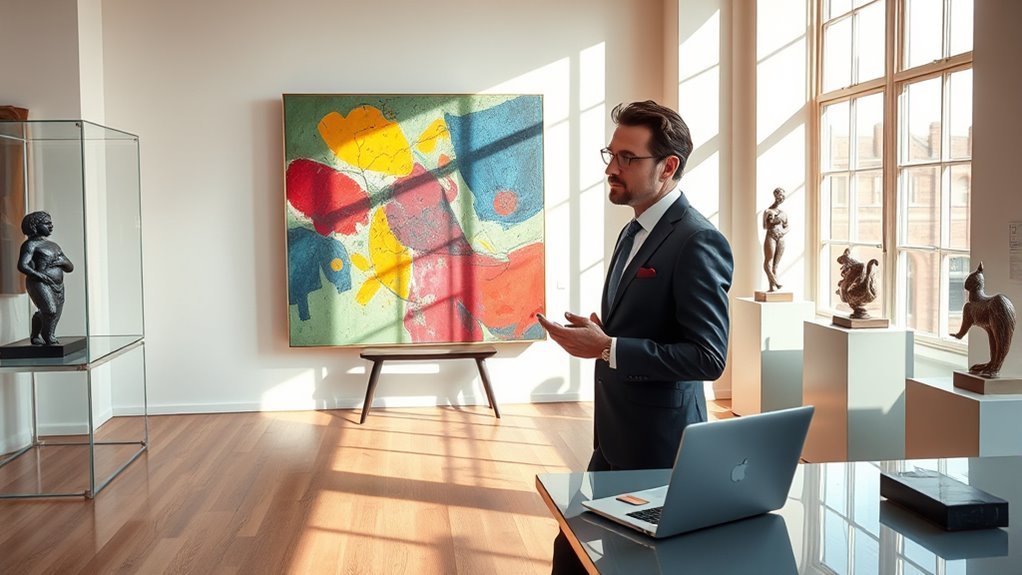
As an art dealer, you play a key role in the art world by sourcing unique artworks from galleries, auction houses, and artist studios. Staying up-to-date on market trends and tracking artist careers is part of your daily routine. This helps you spot valuable pieces and make smart buying decisions.
You also build strong relationships with artists, collectors, and curators. These connections give you insider knowledge and access to exclusive art that others might miss. It’s all about networking and trust in this business.
Negotiating sales, managing your inventory, and handling the business side of things keep everything running smoothly. Your mix of market insight and people skills is what helps you succeed in this dynamic, ever-changing industry.
Keep exploring to see how these strategies shape your success as an art dealer.
Key Takeaways
- Art dealers source artworks by visiting galleries, auction houses, and artist studios to find valuable pieces. They’re always on the lookout for something special.
- They research market trends and artist careers to make informed buying and selling decisions. It helps them stay ahead in the game.
- Dealers negotiate prices and sales terms with clients, artists, and other dealers to finalize transactions. It’s all about striking the right deal.
- They build and maintain relationships with artists, collectors, and curators to access exclusive artworks and market insights. These connections are key.
- Art dealers manage inventory, catalog artworks, update sales records, and handle business operations efficiently. Keeping things organized is part of the job.
What Does an Art Dealer Do Daily?
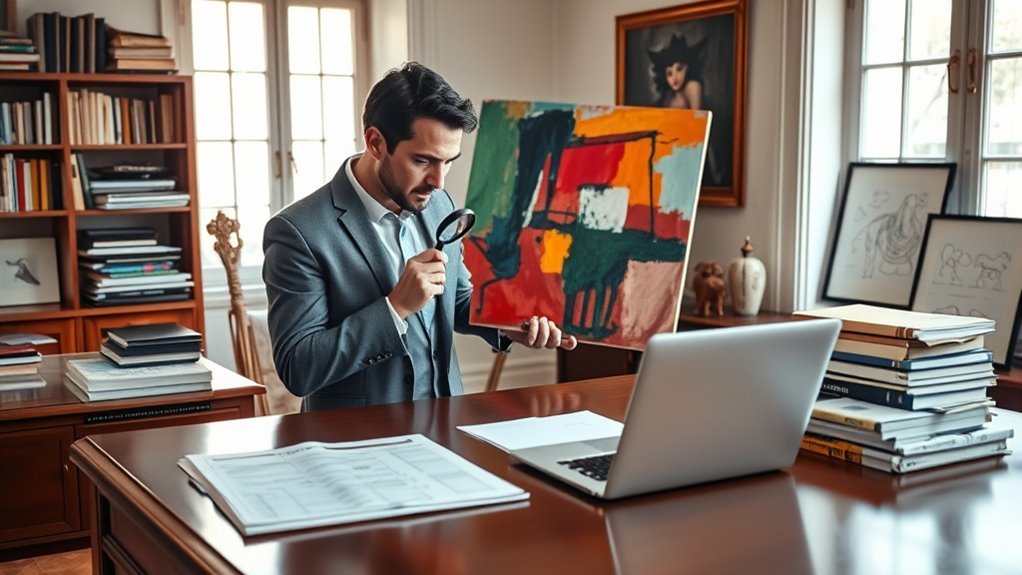
While your day might vary, as an art dealer you spend much of it sourcing artworks by visiting galleries, auction houses, artist studios, and flea markets. You stay sharp by researching market trends and tracking artist careers to make informed decisions.
Negotiating prices and sales terms directly with clients, artists, or other dealers is a key part of your role, ensuring smooth art sales. Maintaining client relationships requires regular communication and attending networking events to keep your connections strong.
You also handle gallery visits to discover new pieces and manage inventory meticulously, cataloging artworks and updating sales records. Balancing sourcing artworks with administrative tasks keeps your business running efficiently and helps you seize opportunities in the dynamic art market every day.
How Art Dealers Use Relationships and Market Insight to Succeed
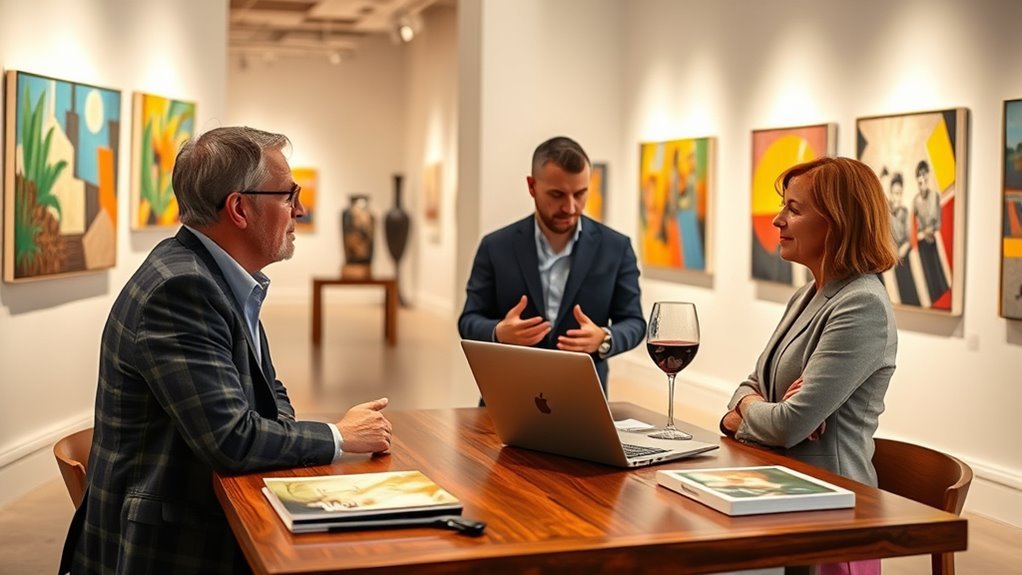
Because art dealers rely heavily on relationships and market insight, building trust with artists, collectors, and curators is essential to your success. You cultivate strong relationships to gain insider knowledge and use your network connections to access exclusive artworks and spot emerging artists early.
Attending industry events like art fairs keeps you connected and sharpens your market intelligence. It’s a great way to stay in the loop and catch trends before they hit the mainstream.
Maintaining client rapport helps you anticipate market trends and adjust your offerings to meet demand shifts. Your understanding of these dynamics allows you to influence pricing and secure favorable deals.
Frequently Asked Questions
Is It Hard to Become an Art Dealer?
Yes, it’s hard to become an art dealer because you’ll need years of knowledge, strong negotiation skills, and a solid network. You’ll face market ups and downs, so you must stay adaptable and keep learning continuously.
Can You Make Money as an Art Dealer?
You can absolutely make money as an art dealer, but it’s a dance with risk and reward. By spotting hidden gems and building trust, you’ll turn passion into profit—though market swings can test your resolve.
What Is the Role of an Art Dealer?
You connect artists with buyers, negotiate sales, and manage art transactions. You build relationships, source valuable pieces worldwide, and use your expertise to match artworks with clients’ tastes, ensuring smooth, profitable deals in the art market.
What Percentage Does an Art Dealer Make?
You’ll typically earn between 25% and 50% commission on each sale, though private deals can vary. While galleries stick to set rates, you might negotiate or add fees, balancing profit with client trust.
Conclusion
As an art dealer, you play a crucial role in connecting artists with collectors. You use your keen market insight and strong relationships to thrive in this dynamic industry.
Did you know that 85% of art sales happen through direct dealer connections? This shows just how essential your network and expertise are in this competitive field.
By staying informed and building trust, you don’t just sell art—you shape the art world itself. Keep cultivating those connections! Your ability to navigate the art market, foster relationships, and understand collector needs makes you a key player in the art community. Ultimately, your work as an art dealer helps artists gain visibility and collectors find meaningful pieces, driving the art market forward with every sale.