What Is Monochromatic Art?
Monochromatic art uses variations of a single color to create depth and mood by playing with lightness and darkness. It’s all about exploring one color in different shades and tones to bring a piece to life.
You’ll notice how artists rely on subtle shifts in tone, texture, and form to express emotion and meaning without other hues.
This approach highlights details you might miss in colorful pieces and challenges artists to convey complex ideas with simplicity.
It’s pretty fascinating how much feeling and story can come from just one color.
If you want to understand why this style captivates both artists and viewers, there’s much more to explore.
Key Takeaways
- Monochromatic art uses variations of a single color by manipulating lightness and darkness to create shades and tones. It emphasizes texture, form, and tonal variation without relying on multiple colors.
- Artists create depth and visual interest through subtle shifts in lightness and darkness within one hue. This art style often evokes moods like serenity or introspection by focusing on tonal contrast and simplicity.
- Monochromatic art challenges artists to express complex ideas and emotions using limited color palettes. It’s a unique way to explore creativity within a focused, minimalist framework.
What Is Monochromatic Art and How Does It Work?

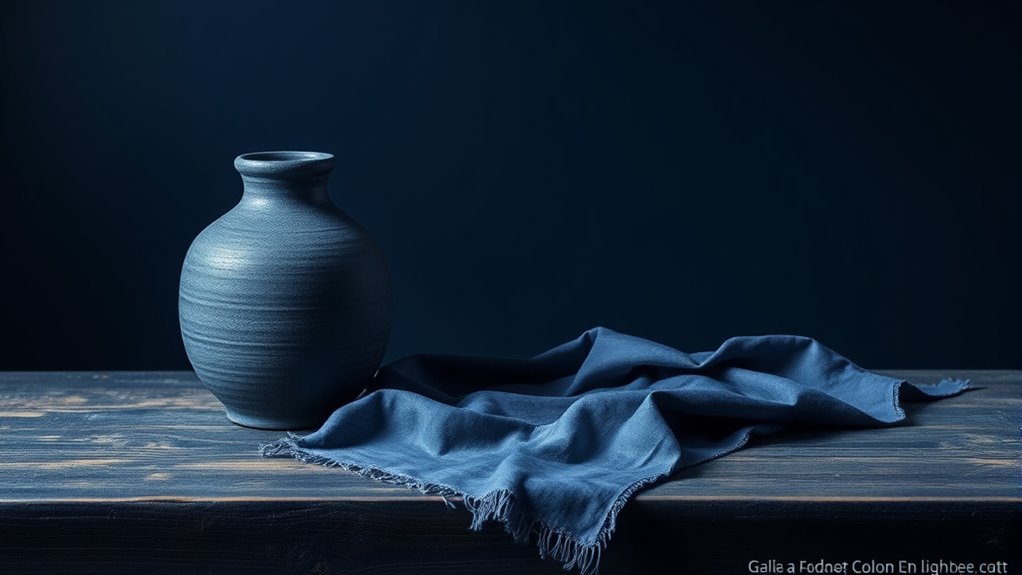
Although it might seem simple at first, monochromatic art creates depth and interest by using variations of just one color. You explore a single hue, manipulating its lightness and darkness to produce different shades and tones, which bring visual depth to your work.
By controlling color variation carefully, you emphasize texture and form without the distraction of multiple colors. Monochrome paintings rely on these subtle shifts to evoke mood and complexity.
You might add white to create tints or black to deepen shades, giving your piece a dynamic range despite the limited palette. This precise balance in monochromatic art allows you to present a rich, layered experience that feels both unified and strikingly detailed.
Why Do Artists Choose Monochromatic Art?

When you focus on just one color, you highlight form, texture, and tonal variation without the distraction of multiple hues. Monochromatic art lets you explore subtle tonal shifts, emphasizing the physical qualities like brushwork and surface texture.
Artists choose this approach to deepen visual expression, evoking specific emotions such as serenity or introspection. By limiting color, you challenge yourself to convey complex ideas and abstraction through form alone.
This focused palette enhances your ability to express internal states or concepts like purity and nothingness. Monochromatic art invites you to engage with emotion and texture on a refined level, making every tonal contrast essential for communicating your artistic vision.
It’s a powerful way to reveal meaning through simplicity and intentional color use.
Frequently Asked Questions
How Can I Create Monochromatic Art at Home?
You can create monochromatic art at home by choosing one color, then mixing its shades and tints using white or black. Use pencils, paints, or markers to explore different tones and create depth in your artwork.
What Tools Are Best for Monochromatic Painting?
You’ll want quality brushes, acrylic or watercolor paints, a palette for mixing shades, and good paper or canvas. Don’t forget a palette knife for texture and some water or medium to adjust paint consistency easily.
Can Monochromatic Art Be Used in Interior Design?
Can you imagine a space feeling calm yet striking? You can absolutely use monochromatic art in interior design to create harmony and focus. It emphasizes texture and form, making your rooms feel cohesive and stylish without overwhelming.
How Do Lighting Conditions Affect Monochromatic Artwork?
Lighting conditions dramatically impact how you see monochromatic artwork’s tones and textures. Bright light enhances subtle shades, while dim light can mute details. Adjust lighting to highlight contrasts and bring depth to the piece.
Are There Famous Artists Known for Monochromatic Art?
Before Instagram, you’d recognize Yves Klein and his iconic blue works instantly. You’ll find that Picasso’s blue period, or even Agnes Martin’s subtle grids, show how powerful monochromatic art can be when you focus on tone and texture.
Conclusion
When you use monochromatic art, you focus on one color and its shades, creating harmony and mood. You’ll find it simplifies complex scenes, making emotions pop without distraction.
Imagine a painter capturing a stormy sea using only blues—each shade tells part of the story, from calm waves to dark depths. By choosing this approach, you can highlight texture and light, giving your work a powerful, unified feel that draws viewers in.
Monochromatic art is all about using different tones of a single color to create depth and interest. This technique helps artists emphasize mood and atmosphere while keeping things visually cohesive. Whether you’re working with warm reds or cool blues, the simplicity of monochromatic art lets emotions stand out and invites viewers to connect deeply with the artwork’s feeling and texture.