Does AI Steal Art and How Can You Protect It?
Yes, AI often scrapes your publicly shared art without permission, using it to train models without giving you credit or consent. This kind of unauthorized use raises serious copyright and creative ownership concerns that many artists worry about.
It’s frustrating when your hard work is used without your say, right?
To protect your work, you can apply cloaking techniques or use tools that subtly alter your images. Sharing art on platforms with strict policies also helps, and joining opt-out registries is another smart move.
Taking these steps can really help secure your rights and limit misuse. Keep exploring to discover even more effective ways to defend your artwork!
Key Takeaways
- AI models often scrape publicly available artwork without artists’ consent, effectively using it without permission or credit. This can feel like your work is being taken without any recognition.
- Unauthorized AI training on art raises serious concerns about copyright infringement and creative ownership violations. It’s a tricky situation for many artists who want to protect their creations.
- Artists can check dataset inclusion using tools like “Have I Been Trained” to monitor unauthorized use. It’s a handy way to see if your art is being used without you knowing.
- Protect artwork by applying cloaking techniques, subtle image modifications, or using platforms with strict anti-scraping policies. These steps can help keep your work safer from unwanted AI training.
- Joining opt-out registries and combining technical and legal strategies helps safeguard artwork from AI scraping and misuse. Taking multiple approaches really boosts your chances of keeping control over your art.
How AI Scrapes and Uses Public Art Without Permission
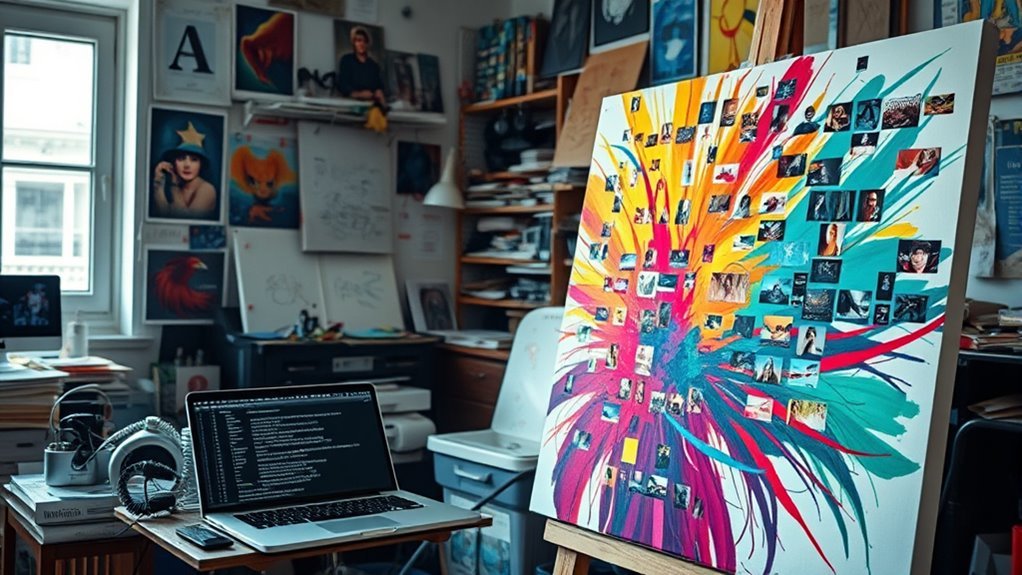
Although many artists share their work online to gain exposure, AI models often scrape these publicly available images without permission or credit. Through AI scraping, artwork from online portfolios, social media, and websites becomes part of vast training data used to teach AI systems.
Artists share online to gain exposure, yet AI often scrapes their work without permission or credit.
This widespread practice raises serious concerns about art theft and unauthorized use, as artists rarely receive dataset attribution or consent. Platforms like Facebook, Instagram, and DeviantArt frequently serve as sources for these datasets, which can infringe on artist rights and challenge dataset copyright protections.
While some metadata and URLs remain indexed, original images typically exist transiently during AI training before deletion, complicating copyright enforcement. You can use tools like Have I Been Trained to check if your art has been included in these datasets.
Despite data protection laws, the unauthorized use of artwork in AI training persists, highlighting the urgent need to address how AI scraping impacts creative ownership and respect for artist rights.
Effective Strategies to Protect Your Art From AI Scraping
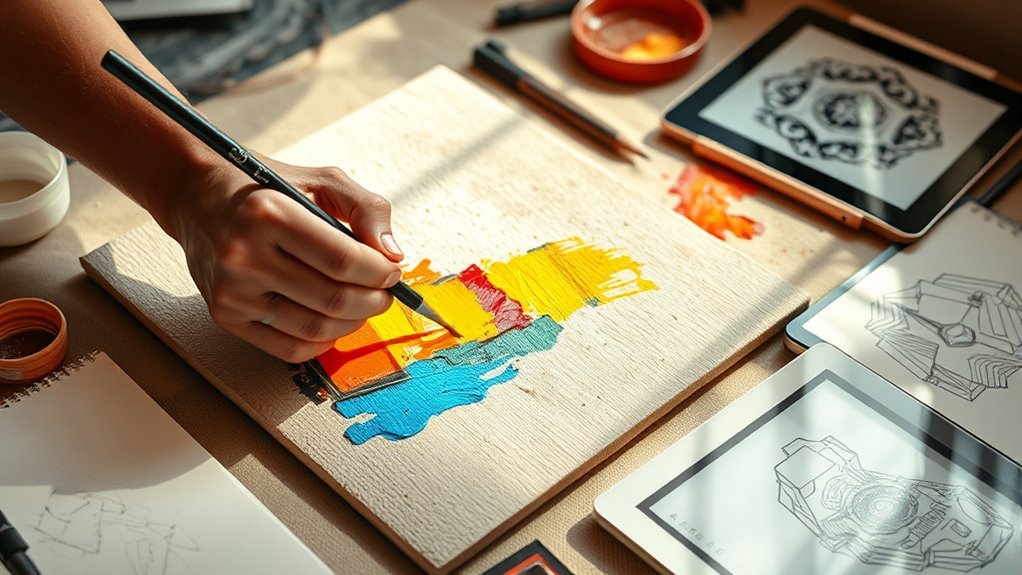
When you want to safeguard your artwork from unauthorized AI scraping, employing a mix of technical and strategic measures proves most effective. Start by using cloaking techniques and invisible pixel modifications, which subtly alter your art to confuse AI models without affecting its appearance.
Tools like Glaze help implement these changes, making it harder for AI to mimic your style. Combine these with poisoning methods—tiny, invisible tweaks that disrupt AI training datasets—to reduce unauthorized use.
Beyond technical steps, leverage privacy controls by sharing your work on platforms with strict data policies to limit scraping. Additionally, participate in opt-out processes, such as Do Not Train registries, to request dataset exclusion from future AI training datasets.
Together, these approaches form a robust AI protection strategy. This way, you can maintain control over your creative work and prevent misuse through AI scraping.
Frequently Asked Questions
Is There a Way to Prevent AI From Stealing Art?
You can’t completely stop AI from stealing art, but you can protect your work by adding invisible pixel changes. Using opt-out registries also helps a bit.
Sharing via encrypted links is another way to keep your art safer. Plus, combining technical and legal measures can reduce misuse effectively. It’s not foolproof, but it definitely makes a difference.
Will Artists Be Protected From AI?
You won’t be fully protected from AI yet, but using tools like Glaze, privacy settings, and legal options helps.
Stay proactive, monitor updates, and advocate for stronger laws to safeguard your artwork as technology evolves.
How Do I Stop AI From Using My Image?
You can stop AI from using your image by adding invisible pixel changes with tools like Glaze. Keeping your work private on social media also helps a lot.
Another method is using “poison” layers via Nightshade to protect your images. Plus, don’t forget to check datasets with Have I Been Trained to see if your work is out there.
Why Is AI Art Not Stealing?
You might think AI art rips off your masterpiece like a tornado, but it doesn’t.
Instead, it learns styles from tons of public images, creating something new rather than copying your exact work.
Conclusion
Just like Daedalus crafted wings to escape the labyrinth, you can build your own defenses against AI’s relentless scraping. While technology soars, don’t let your art become Icarus—vulnerable and exposed.
By staying vigilant and using smart protection strategies, you keep control in your hands, ensuring your creativity remains uniquely yours. Remember, in this modern maze, your art’s survival depends on the safeguards you choose to embrace.
Protecting your artwork from AI is all about being proactive. Use watermarks, copyright your pieces, and stay informed about digital rights. These steps help prevent unauthorized use and keep your artistic integrity intact.
In today’s fast-paced digital world, understanding how AI interacts with art is crucial. By taking these smart protection measures, you can defend your creativity and make sure your art isn’t stolen or misused. Your art deserves respect, and with the right tools, you can keep it safe from AI theft and scraping.