How to Use Positive and Negative Space in Art
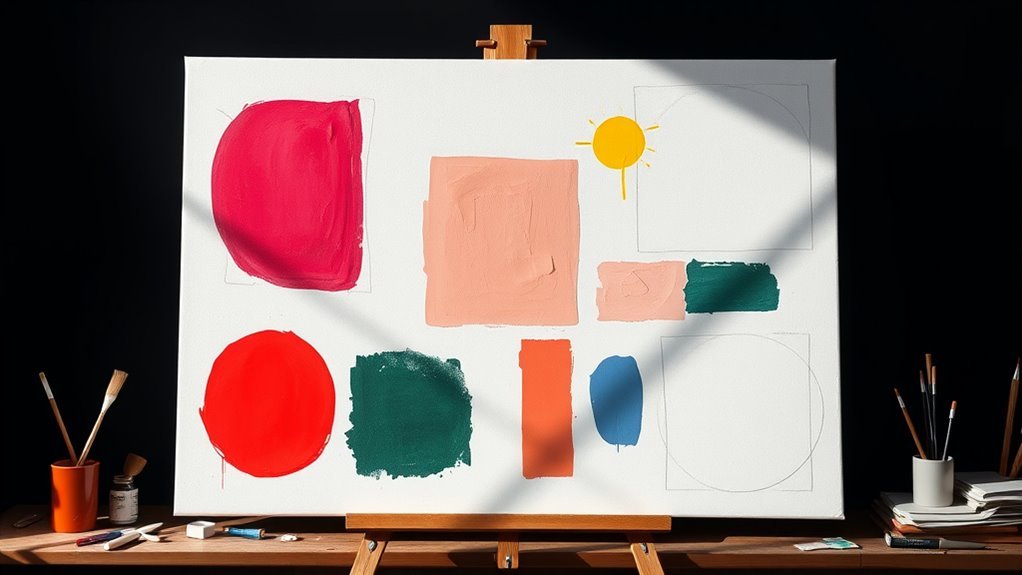
You can use positive and negative space in art to create balance and highlight your main subject. Positive space refers to the main shapes or objects you want to emphasize, while negative space is the background or empty areas around them. Understanding how to work with these spaces helps make your artwork more visually interesting and balanced.
Focus on the positive space as your main shapes and the negative space as the background or empty areas. Use contrast in color or texture to clearly separate these spaces, making your composition sharper. This contrast draws the viewer’s eye and helps your subject stand out.
Distributing space evenly keeps your artwork harmonious and visually engaging. When you pay attention to how positive and negative spaces interact, your compositions become stronger and more dynamic. Keep exploring these principles, and you’ll discover new ways to craft compelling art.
Key Takeaways
- Use contrast in color or shading to clearly distinguish positive space (main subject) from negative space (background). This helps the main subject stand out more.
- Balance positive and negative spaces evenly to create visual harmony and emphasize the main subject. When both spaces work together, the artwork feels more complete.
- Utilize negative space creatively to form interesting shapes that complement the positive space. It’s a great way to add depth and intrigue.
- Frame the main subject with negative space to enhance focus and composition clarity. This technique really draws the viewer’s eye right where you want it.
- Continuously analyze space interaction and contrast to maintain a dynamic and balanced artwork. Keep adjusting until everything feels just right.
How to Recognize Positive and Negative Space in Your Artwork
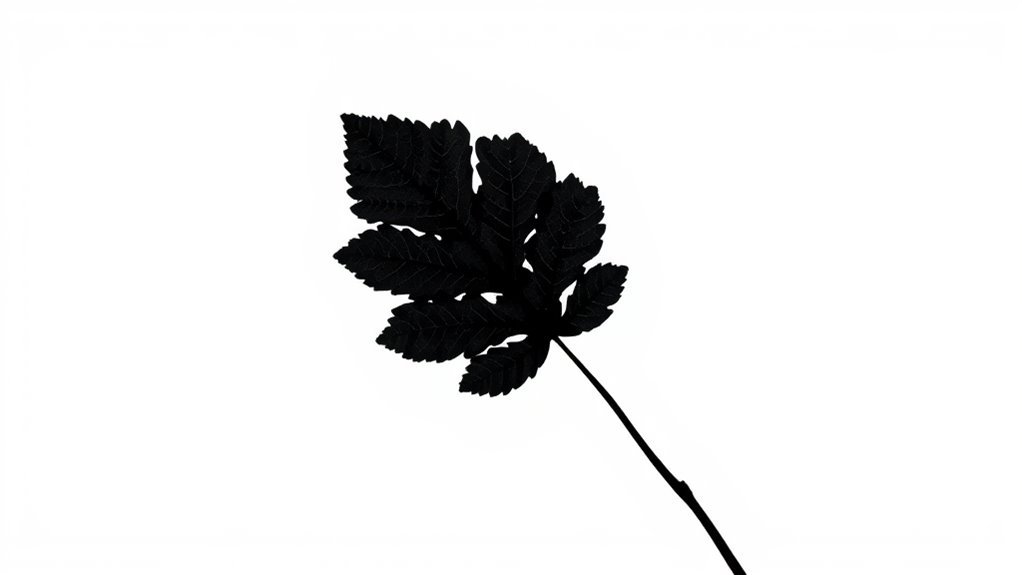
How can you tell positive space from negative space in your artwork? Start by recognizing that positive space refers to the main subject or shape, while negative space is the background or empty area surrounding it.
To distinguish these clearly, pay attention to the contrast between the subject and its background. Using differences in color, shading, or texture helps your visual perception switch between focusing on positive space and negative space. This gives you a better understanding of your composition.
Analyze how the shapes of the positive space interact with the negative space. Sometimes, the empty areas form interesting shapes themselves.
Techniques to Balance Positive and Negative Space for Stronger Compositions
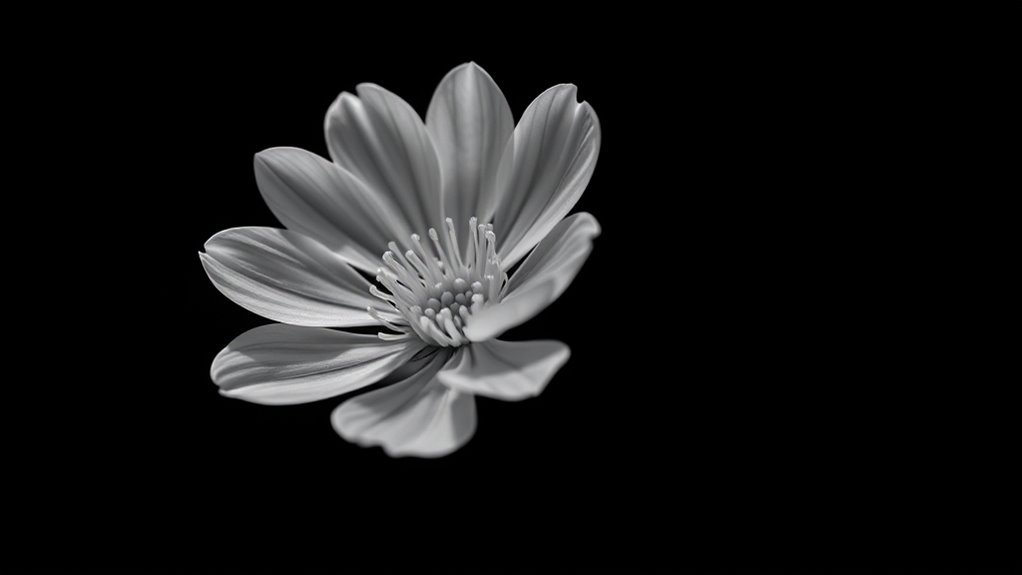
Once you can identify positive and negative space clearly, you can start using techniques to balance them effectively in your compositions. Achieving balance involves allocating positive and negative space evenly to create harmony that guides the viewer’s eye smoothly across your artwork.
You’ll want to use negative space intentionally for framing, highlighting your main subject and boosting its prominence. Varying the size and placement of these spaces adds visual interest, preventing your composition from feeling static.
Contrast between colors or textures sharpens the distinction between positive and negative areas, enhancing clarity. Regularly analyze your work by isolating these spaces to ensure they complement each other, reinforcing the overall harmony.
- Distribute positive and negative space evenly for balanced compositions
- Use negative space as framing to emphasize your subject
- Vary shapes and placement to keep visual interest alive
- Employ contrast to define forms clearly
- Analyze your work to maintain harmony and balance
Frequently Asked Questions
How Is Positive and Negative Space Used in Art?
You use positive space to highlight your main subject and negative space to frame it, creating balance and focus.
Playing with these spaces can add depth, guide viewers’ eyes, and make your art more dynamic and engaging. It’s a simple trick that really changes how people experience your work.
What Is an Example of Positive and Negative Space Art?
You can look at Rubin’s Vase, where the black shapes form a vase (positive space) and the white shapes create faces (negative space).
It’s a perfect example of how your focus shifts between positive and negative spaces.
Pretty cool how your brain flips back and forth, right? It shows how art can play with what you see in interesting ways.
How to Draw Positive and Negative Art?
Want to create striking art? Start by sketching your subject lightly, then fill surrounding areas with contrasting colors or patterns.
Don’t forget to switch focus between positive and negative spaces to make your composition stand out!
In What Ways Does the Artwork Balance Positive and Negative Space?
You balance positive and negative space by placing elements thoughtfully, adjusting their size and shape to create harmony. You avoid clutter, let neither space dominate, and use contrast to highlight your main subject, keeping viewers engaged.
It’s all about making sure things don’t feel too crowded or too empty. When you do that, the artwork feels balanced and inviting. Plus, the contrast really helps draw attention to what matters most in your piece.
Conclusion
Now that you know how to spot and balance positive and negative space, you’re ready to make your art sing. Think of space as the silent partner in your composition dance—when both work together, your artwork comes alive with harmony and impact.
So, don’t be afraid to play with the spaces between; they’re just as powerful as the shapes themselves. Remember, sometimes what you leave out speaks louder than what you put in.
Using positive and negative space effectively can transform your art by creating depth, contrast, and interest. It’s all about balance and knowing when to fill an area or let it breathe. When you master this, your compositions become more dynamic and visually engaging.
Embrace the dance of shapes and emptiness, and watch how your art gains a new level of expression. After all, positive and negative space aren’t just design elements—they’re the heart of visual storytelling.