What Is Textile Art?
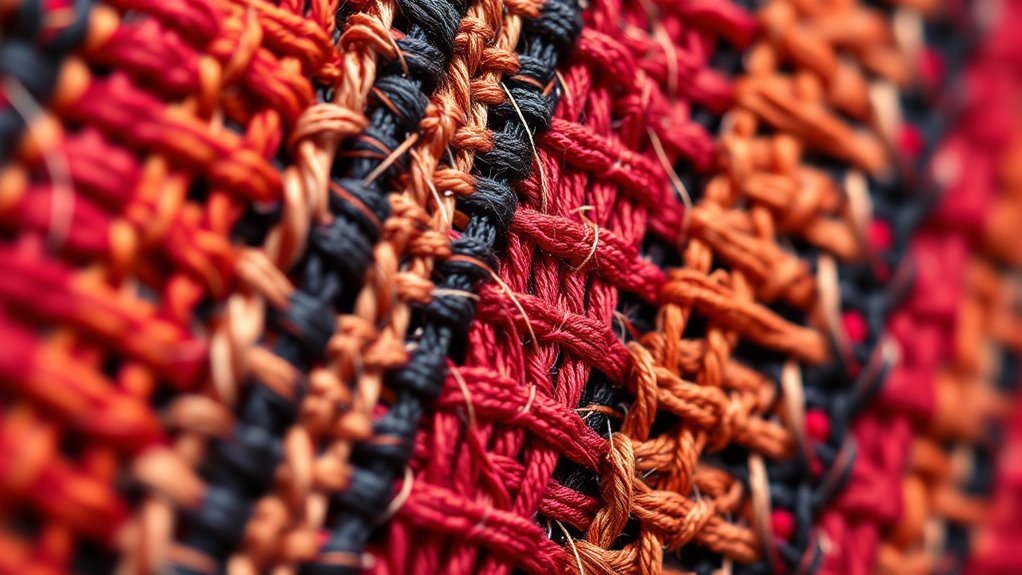
Textile art transforms fibers from plants, animals, or synthetics into creative, meaningful works beyond mere utility. It’s all about turning threads into expressions of culture, identity, and stories.
You’ll see techniques like weaving, embroidery, and quilting used to craft patterns, textures, and shapes that truly speak to the human experience.
This art form beautifully blends traditional skills with modern innovation. Artists push boundaries with vibrant, tactile designs that invite you to explore deeper meanings.
If you’re curious about how contemporary artists redefine textile art with unique styles and themes, you’re in for an inspiring journey. It’s a world where creativity and craftsmanship come together in the most colorful and textured ways.
Key Takeaways
- Textile art transforms natural or synthetic fibers into patterns and shapes beyond mere utility through techniques like weaving, embroidery, and quilting. It’s not just about making something useful; it’s about creating something beautiful and expressive.
- It combines traditional craftsmanship with contemporary creativity to produce complex, meaningful designs emphasizing artistic expression. This blend makes each piece unique and full of personality.
- Textile art serves as a medium for cultural storytelling, representing identity, history, and social issues through fiber manipulation. It’s like a visual story woven into the fabric.
- Contemporary artists innovate by integrating diverse materials and themes, expanding textile art’s scope beyond traditional forms. They’re always pushing the boundaries and trying new ideas.
- Notable textile art includes sculptures, installations, and woven works that highlight texture, color, and tactile engagement. These pieces invite you to not just look but also feel and experience the art.
What Is Textile Art?
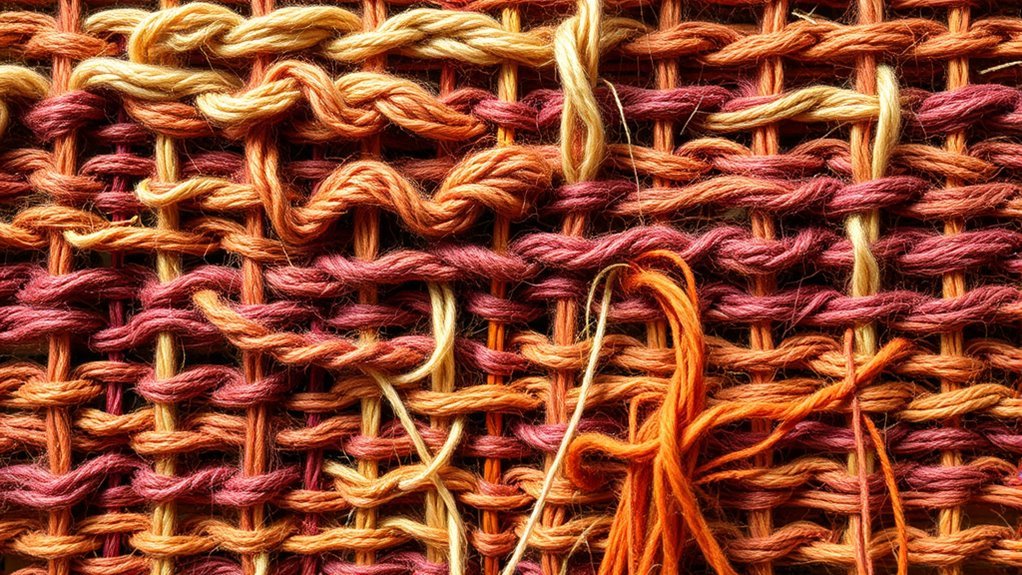
Although textile art has ancient roots, it continues to captivate people today by transforming fibers from plants, animals, insects, or synthetics into both practical and artistic creations.
When you explore textile art, you’ll discover it involves a variety of techniques like embroidery, weaving, and quilting. These methods allow you to manipulate fibers and materials to create patterns, textures, and shapes that convey meaning beyond mere function.
Textile art isn’t just about crafting useful items; it’s a vibrant form of fiber art where artistic expression thrives. You can see cultural themes vividly represented, as artists use textiles to tell stories, explore identity, and address social issues.
Textile art transforms fibers into powerful expressions of culture, identity, and social storytelling.
Whether you’re working with natural fibers or innovative synthetic materials, textile art offers endless opportunities to blend tradition with contemporary creativity. By engaging with textile art, you connect with a rich history while pushing the boundaries of what fiber-based materials can express today.
Key Artists Shaping Textile Art Today
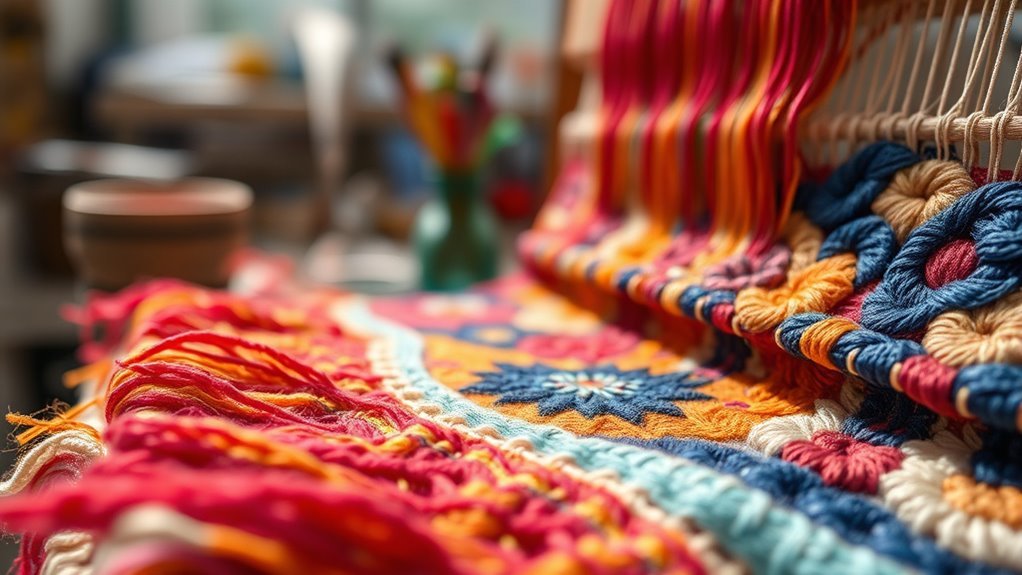
When you explore contemporary textile art, you’ll encounter artists who push the medium’s boundaries by weaving cultural, environmental, and social themes into their work. These textile artists combine innovation with craftsmanship, using diverse materials and techniques to redefine what textile art can be.
Here are three key figures shaping textile art today:
- Cecilia Vicuña blends indigenous knowledge with environmental critique, creating works that challenge societal norms through weaving and installation.
- Chiharu Shiota crafts immersive yarn installations that explore temporality and dreams, emphasizing scale and intricate weaving techniques.
- Sheila Hicks is known for monumental textile sculptures that celebrate color, texture, and tactile engagement, highlighting the materiality of textiles.
Artists like Otobong Nkanga and Joël Andrianomearisoa also expand contemporary textile art by integrating traditional craftsmanship with modern themes.
Frequently Asked Questions
What Is Another Name for Textile Art?
Another name for textile art is fiber art. You’ll often hear these terms used interchangeably because both focus on creating art with fibers and fabrics.
Sometimes, people also call it fabric art, emphasizing the materials you use. It’s all about working with different textures and threads to make something unique.
Who Is the Most Famous Textile Artist?
Who else but Anni Albers? You’ll find her geometric weavings in major museums worldwide.
She transformed textile art with Bauhaus innovation and fine art status, making her the most famous textile artist you should know.
How Do Textile Artists Make Money?
You can make money as a textile artist by selling your work online or at fairs. Teaching workshops is another great way to bring in some income.
You might also take commissions or collaborate with brands. Plus, applying for grants or residencies can help fund your creative projects and growth. There are lots of options to explore!
What Is an Example of Textile Art?
Picture a tapestry weaving a vivid landscape with threads that sing. That’s textile art.
You might also create quilts, fabric sculptures, or embroidered pieces, turning fibers into vibrant stories you can touch and see.
Conclusion
You might think textile art is just fabric and thread, but it’s a universe bursting with endless creativity and emotion. When you immerse yourself in it, you’re not just looking at cloth—you’re experiencing stories, culture, and innovation woven together in ways that could blow your mind.
Artists today are transforming simple textiles into jaw-dropping masterpieces that challenge everything you thought art could be. Trust me, once you start exploring, you’ll never see fabric the same way again!
Textile art goes beyond traditional craft; it’s a vibrant form of artistic expression that captures history, identity, and emotion. Whether through weaving, embroidery, or mixed media, textile artists create dynamic works that invite you to connect with their stories. So dive in and discover how textile art continues to inspire and innovate in the art world today!