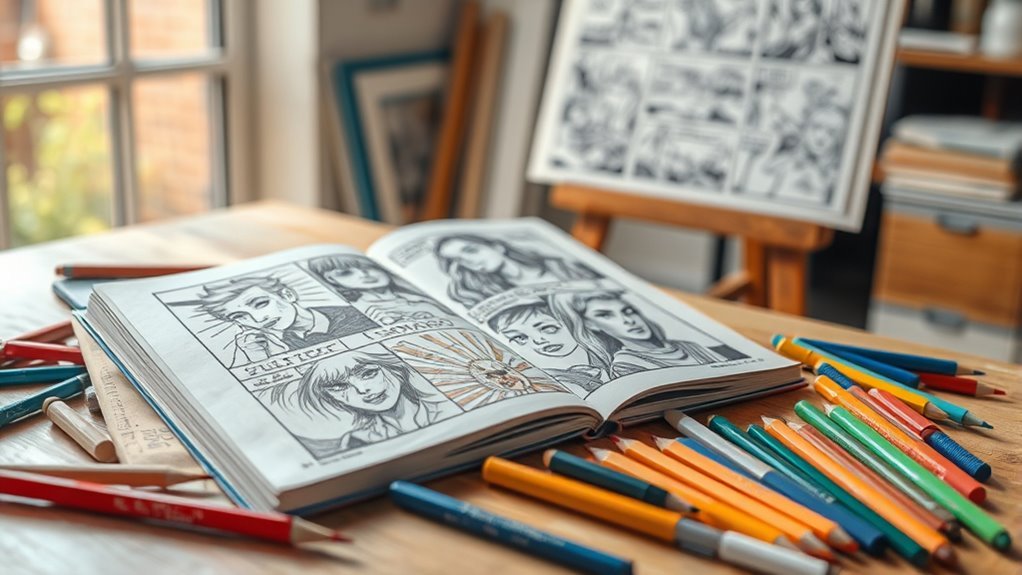
What Is Sequential Art?
You use sequential art every day when stories unfold through connected images that guide your understanding and evoke emotions beyond words. It’s a visual storytelling method that links images in a deliberate sequence, combining art with narrative to create meaning.
This technique is the backbone of comics, but it’s everywhere—from instruction manuals and advertising to film.
When you think about it, sequential art is all around us. It’s how we make sense of complex ideas quickly and enjoy stories in a way words alone can’t achieve.
Keep exploring, and you’ll see how this powerful form shapes many creative and practical media. It’s pretty amazing how art and narrative come together to tell stories in such a unique way, don’t you think?
Key Takeaways
- Sequential art tells stories through a deliberate sequence of connected images. It combines visual art and narrative to convey information and emotions effectively.
- The term was coined by Will Eisner in 1985 to describe this storytelling blend. You’ll often see it used in comics, graphic novels, and other visual media.
- Sequential art really helps make things clear and impactful by guiding how viewers understand the story through the order of images. It’s a powerful way to communicate!
What Is Sequential Art : And Why It Matters
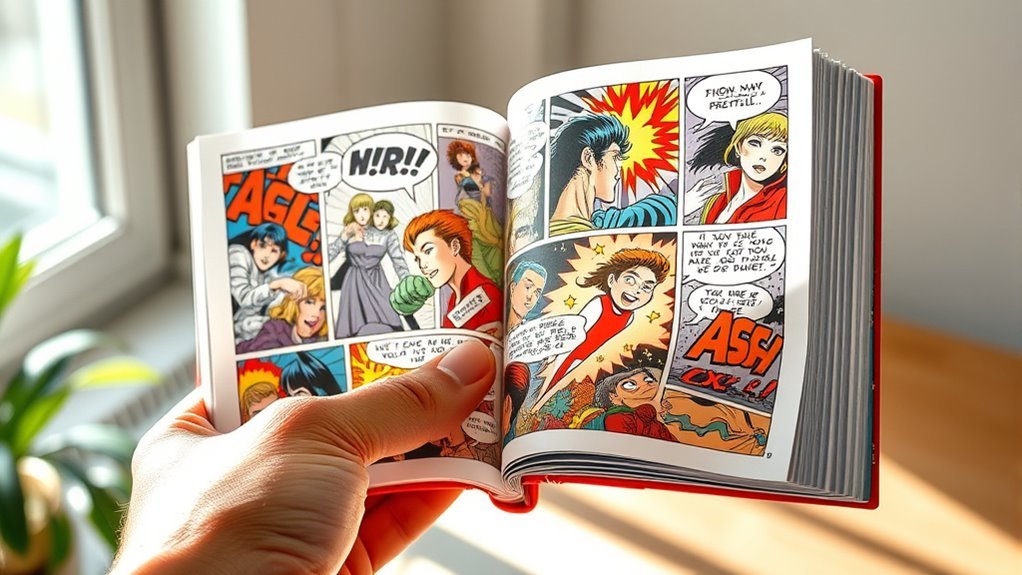
What makes sequential art so unique is its ability to tell stories through carefully arranged images. When you engage with sequential art, you’re experiencing a visual narrative that combines art and storytelling, often seen in comics and graphic novels.
This medium uses a deliberate sequence of images to convey information and emotions, making it a powerful form of communication. Will Eisner coined the term in 1985 to capture this blend of art and narrative.
You’ll notice how each panel or framed sequence works together to guide your understanding, making the story clear and impactful. Sequential art isn’t just about pretty pictures; it’s about how those pictures connect to form meaning.
Exploring Sequential Art Beyond Comics: Storytelling In Other Media
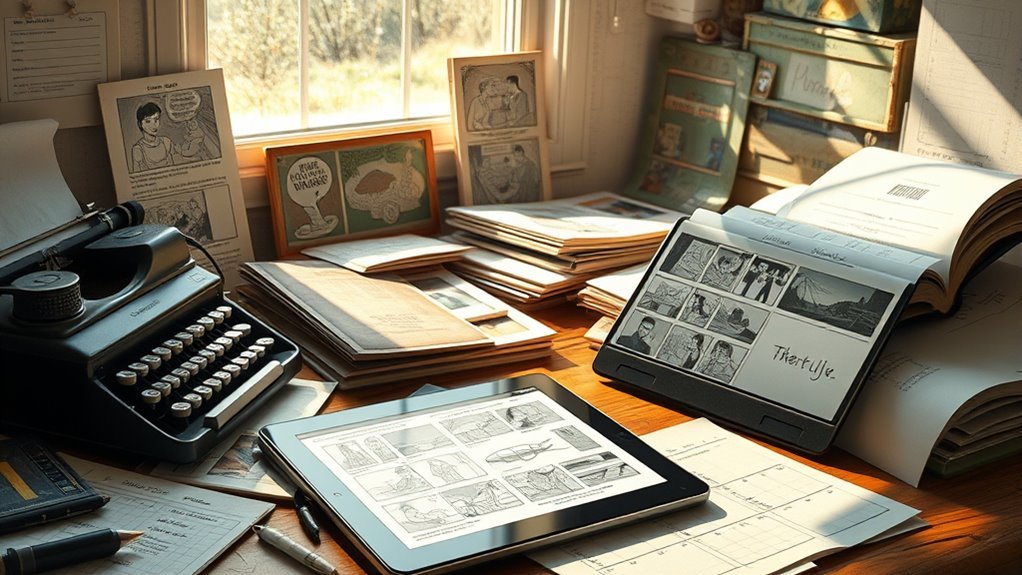
Although many associate sequential art primarily with comics, its reach extends far beyond that medium. You’ll find visual storytelling woven into various forms where images in sequence guide and inform.
Storytelling in other media harnesses narrative techniques that make complex ideas accessible without words. For example:
- Instruction manuals and safety diagrams use clear sequences to direct you step-by-step.
- Motion pictures rely on storyboarding and editing to shape scenes and maintain narrative flow.
- Advertising campaigns often employ sequential graphics to tell a brand’s story visually.
Even Eadweard Muybridge’s sequential photography captured motion, demonstrating storytelling power outside comic formats. Environmental and informational graphics also use this approach to lead viewers through concepts or processes naturally.
Frequently Asked Questions
What Are Examples of Sequential Art?
You’ll find sequential art in comics, graphic novels, and manga, plus storyboards for films, instruction manuals, safety guides, and sequential photography like motion studies.
It’s also in environmental ads or infographics that use connected images to tell a story.
Basically, anytime images are arranged to show a sequence or tell a story, that’s sequential art.
What Is Sequential Art Scad?
Imagine bringing stories to life frame by frame—SCAD’s Sequential Art program lets you master both traditional and digital storytelling.
You’ll be prepared to create comics, manga, and storyboards that captivate audiences and launch your creative career.
It’s all about turning your ideas into vivid, exciting visual narratives that really connect with people.
How Much Do Sequential Artists Make?
You can expect to make between $40,000 and $80,000 annually as a sequential artist, but top pros can earn six figures.
Freelancers’ incomes vary widely, so supplementing with commissions or teaching helps boost your earnings. It’s a good way to keep things steady while you build your career.
What Can You Do With a Sequential Art Degree?
You can create comics, work as a storyboard artist, design characters for games, or illustrate books.
You’ll also find roles in animation, art direction, and digital media, giving you plenty of creative career options.
Conclusion
Now that you’ve uncovered what sequential art truly is, you see it’s more than just pictures in a row — it’s a subtle dance of images and words that whispers stories directly to your imagination.
Even beyond comics, it’s the gentle art of guiding your mind through moments, emotions, and ideas without shouting.
So, next time you encounter a sequence, remember: it’s not just art, it’s a quiet invitation to experience a world unfolding just for you.
Sequential art beautifully combines imagery and narrative to create meaning over time. Whether in comics, storyboards, or graphic novels, it invites you to engage deeply with the flow of stories and emotions. This art form relies on the power of sequences to communicate complex ideas visually and textually, making every frame a vital piece of the storytelling puzzle. Embracing sequential art means appreciating how images and words work together to shape your imagination and connect you to new experiences.