What Is Asymmetrical Balance in Art?
When you use asymmetrical balance in art, you create harmony without relying on mirror symmetry. This technique is all about placing contrasting elements of different sizes, colors, or shapes in a way that feels balanced but not identical on both sides.
It’s a key concept in composition that helps guide the viewer’s eye through the artwork naturally.
By intentionally arranging these diverse elements, you add movement and energy to your piece. This approach makes your composition more dynamic and engaging, capturing attention without being predictable.
It’s like finding a rhythm in the unevenness that feels just right.
Embracing uneven arrangements in your art opens up creative freedom. You tap into emotional depth and reflect the irregular beauty often found in nature.
Exploring these ideas further can help you master techniques that bring your work to life in fresh, exciting ways.
Key Takeaways
- Asymmetrical balance creates harmony without mirror symmetry by unevenly distributing visual weight across the artwork. It uses contrast, size, color, shape, and placement to achieve dynamic, stable compositions.
- This balance focuses on guiding the viewer’s eye through varied visual pathways and movement. It allows creative freedom by combining contrasting elements for a natural, organic feel.
- Asymmetrical balance engages viewers by producing lively, energetic, and emotionally expressive artworks. It’s a great way to make art feel dynamic and full of life.
What Is Asymmetrical Balance in Art?
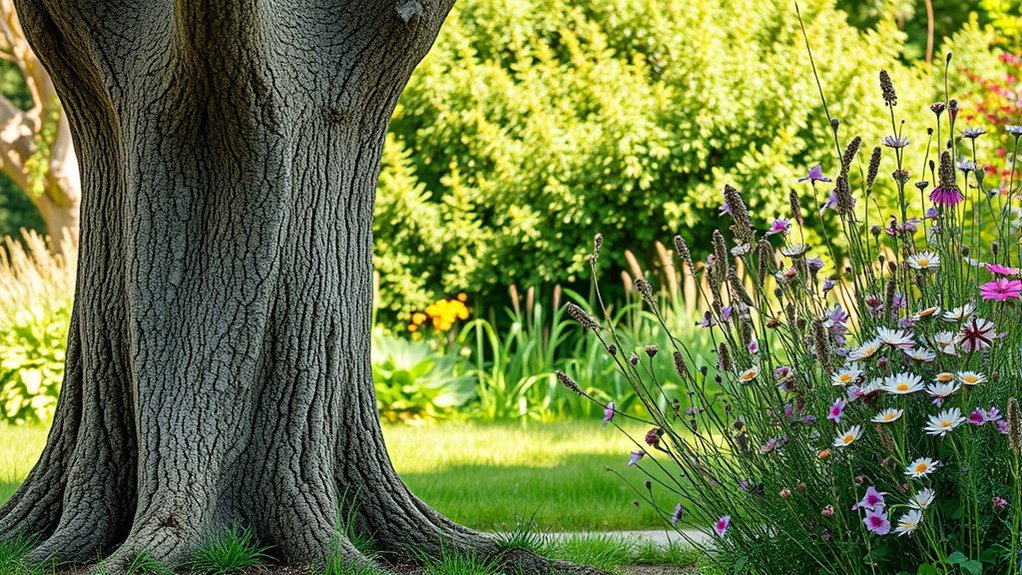
Although asymmetrical balance doesn’t rely on mirror symmetry, it still creates harmony by distributing visual weight unevenly across the artwork. You achieve this balance by carefully placing contrasting elements within the composition—whether through size, color, shape, or placement.
This approach follows key principles of design, emphasizing contrast and dynamic arrangements rather than equal halves. When you use asymmetrical balance, you guide the viewer’s eye along varied visual pathways, making the artwork more engaging.
The clever placement of light and dark areas, organic and geometric shapes, or bold and subtle colors helps maintain overall stability without strict symmetry. This dynamic setup adds visual interest and allows more creative freedom, letting you explore unique compositions while keeping balance intact.
Why Artists Use Asymmetrical Balance
When you use asymmetrical balance, you create compositions that feel dynamic and invite viewers to explore every part of the artwork. Artists use asymmetrical balance because it offers creative freedom to balance contrasting elements like color, shape, and size without relying on perfect symmetry.
This approach results in visual balance that feels more natural and organic, reflecting the irregular arrangements found in nature. By emphasizing contrast and relationships between elements, asymmetrical balance enhances emotional expression and storytelling within your artwork.
It also introduces movement and energy, making your piece lively rather than static. Using asymmetrical balance lets you guide the viewer’s eye purposefully across the composition, creating dynamic compositions that engage and hold attention.
Frequently Asked Questions
What Is the Asymmetrical Balance?
Asymmetrical balance means you arrange elements unevenly but still create harmony. You use different sizes, colors, or shapes to balance your artwork visually, making it dynamic and interesting without relying on exact symmetry.
It’s kind of like when things don’t match perfectly but still feel right together. This approach keeps your design lively and engaging, rather than static or predictable.
What Is an Example of Asymmetrical Balance?
Imagine Van Gogh’s *The Starry Night*—you’ll see how the dark landmass on one side balances the bright, swirling stars on the other.
That’s asymmetrical balance, where contrasting elements create harmony without mirroring each other.
It’s like the painting plays a visual tug-of-war, but everything still feels just right.
What Is an Example of Asymmetrical?
You’ll find asymmetrical balance in Caravaggio’s *The Incredulity of Saint Thomas*, where a bright figure on one side balances darker figures on the other.
It uses contrast and placement to create harmony without symmetry. Pretty clever, right?
What Are Three Types of Balance in Art?
You might think balance in art is just one way, but there are three types: symmetrical, asymmetrical, and radial. Each creates different moods and movement.
Conclusion
When you use asymmetrical balance in your art, you’re like a tightrope walker—finding harmony without perfect symmetry. It’s the dance between different shapes, colors, and spaces that keeps your work alive and dynamic.
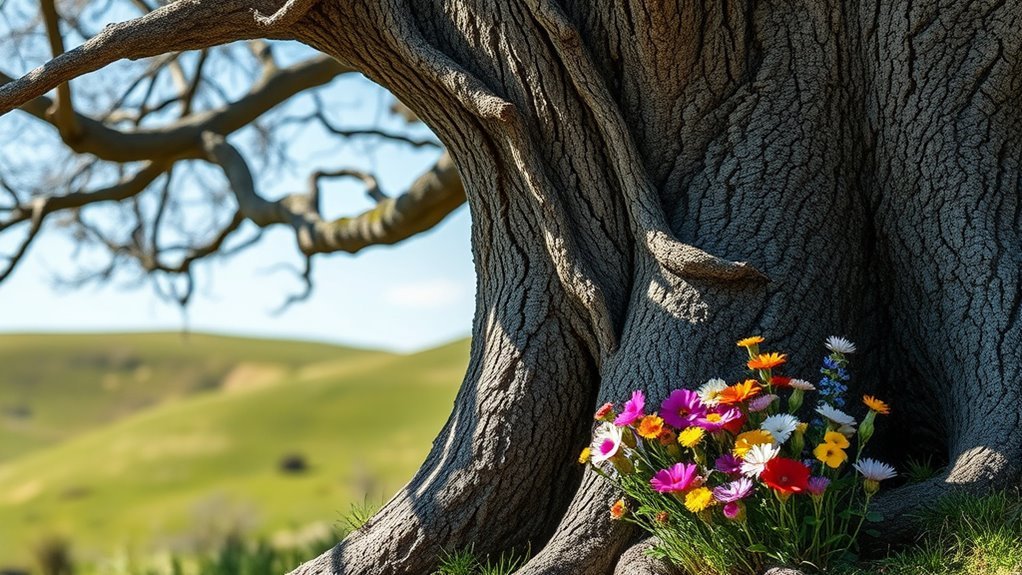
Just as a tree leans toward the sun, your art can lean into imbalance while still standing strong. Embrace this creative tension, and you’ll bring a fresh, vibrant energy that invites viewers to explore every corner of your masterpiece.
Asymmetrical balance in art isn’t about making everything match perfectly. Instead, it’s about creating visual interest and movement by thoughtfully arranging elements that differ in size, shape, or color. This approach keeps your artwork engaging and full of life, encouraging the viewer’s eye to roam freely and discover new details. So, lean into the beauty of asymmetrical balance and watch your art come alive with dynamic harmony!