What Is Repetition in Art?
Repetition in art lets you create rhythm and unity by repeating lines, shapes, colors, or patterns. It’s a key design principle that helps guide your viewer’s eye across the artwork, adding movement and harmony to your work.
Whether you use regular, irregular, or progressive repetition, it shapes the flow and emotional impact of your piece. It’s like creating a visual beat that keeps your composition engaging and balanced.
By mastering repetition, you not only organize your composition but also make your art more memorable and expressive. Keep exploring, and you’ll discover how different types of repetition bring powerful effects to your creations.
So, why not play around with repetition in your next piece? You might be surprised at how it transforms your art!
Key Takeaways
- Repetition in art involves recurring lines, shapes, colors, or patterns to create visual rhythm. It adds movement, unity, and organizes compositions within artworks.
- It guides the viewer’s eye and establishes visual harmony. Different types include regular, irregular, alternating, progressive, and radiating repetition.
- Plus, repetition enhances emotional expression and engagement. It also reinforces artistic style and ideas, making the artwork more impactful.
Defining Repetition in Art and Its Importance
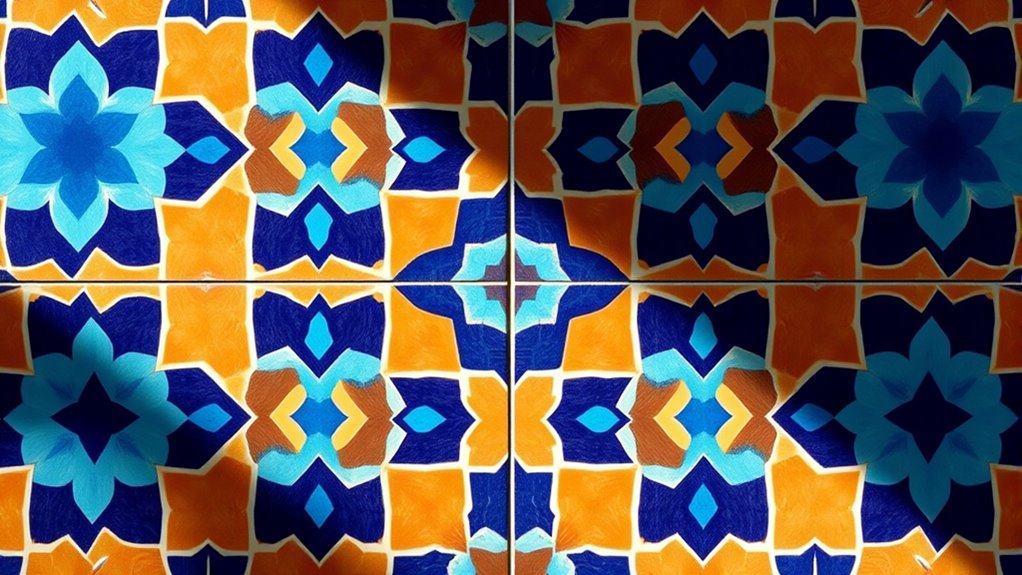
What makes repetition in art so powerful? You’ll find that repetition creates a visual rhythm through recurring lines, shapes, colors, or patterns, which adds movement and unity to a piece.
This fundamental design principle helps organize compositions, guiding your eye and establishing visual harmony. When artists repeat motifs or elements, they not only reinforce an artistic style but also communicate ideas more effectively.
Whether regular or irregular, repetition shapes the overall flow, making artworks more engaging and memorable. Historically, art movements have embraced repetition to evoke themes or social commentary, as seen with Monet’s exploration of perception or Warhol’s take on consumerism.
Types of Repetition in Art and How Artists Use Them to Create Impact
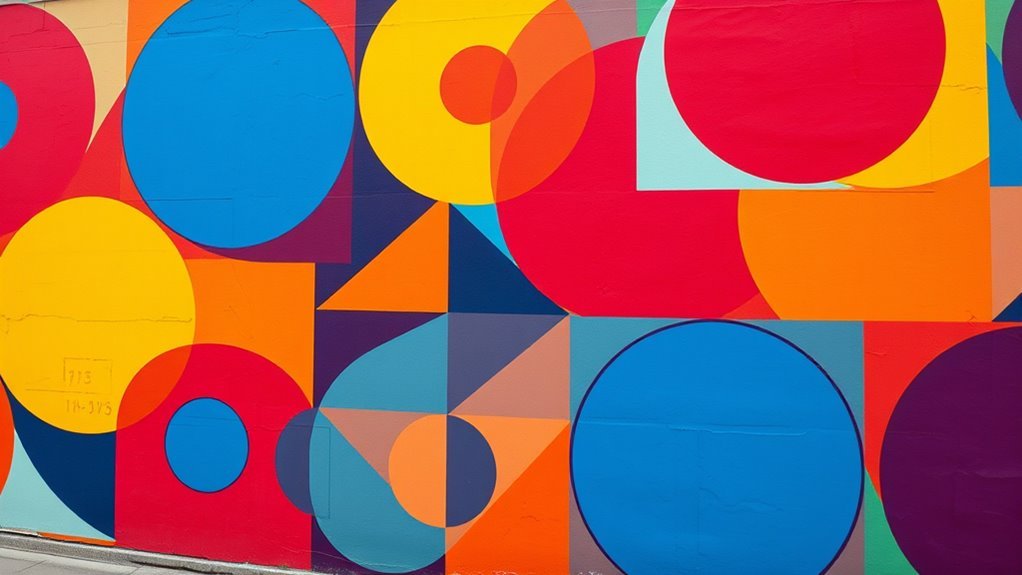
Repetition in art takes many forms, each creating a unique effect that shapes how you experience a piece. Artists use regular repetition to form calm, predictable patterns by evenly spacing visual elements, like Judd’s minimalist boxes.
Repetition in art crafts distinct effects, shaping your experience through calm, predictable patterns and thoughtful spacing.
Irregular repetition introduces variation in shapes or sizes, adding visual interest and dynamic tension, seen in Mondrian’s asymmetrical squares. Alternating repetition emphasizes contrast and rhythm, alternating colors or shapes, as in Escher’s tessellations.
Progressive repetition gradually changes size or form, conveying movement and transformation, exemplified by Duchamp’s “Nude Descending a Staircase.” Radiating repetition spreads elements outward from a central point, creating focus and energy, common in religious mosaics.
These types of repetition work within the principles of design to engage you, guiding your eye and evoking emotion. By recognizing how artists apply repetition, patterns, and contrast, you can better appreciate the rhythm and impact that make art visually compelling.
Frequently Asked Questions
What Is the Best Definition of Repetition?
The best definition of repetition is when you deliberately reuse visual elements like shapes or colors to create rhythm, unity, and interest in your artwork.
It helps you guide viewers’ eyes and emphasize key themes effectively. Using repetition makes your design feel more connected and intentional.
What Is an Example of Repetition in Art?
You’ll see repetition in Andy Warhol’s Campbell’s Soup Cans, where identical cans echo consumer culture’s heartbeat. This repeated image, like a visual mantra, draws you into contemplation through subtle color shifts and endless familiarity.
It’s kind of like a pattern you can’t stop noticing. Each can is the same, but the slight changes keep your eyes moving. It’s pretty clever how repetition can make something so simple feel meaningful.
What Are 5 Examples of Repetition?
You’ll find repetition in Warhol’s celebrity images, Kusama’s polka dots, Mondrian’s grids, Seurat’s pointillism, and Escher’s tessellations. Each uses repeated elements to create meaning, rhythm, or optical effects that captivate your eye.
It’s pretty cool how repetition can make art so engaging, right? These artists use it in different ways, but the effect is always striking.
What Artists Are Known for Repetition?
You’ll recognize Yayoi Kusama, Andy Warhol, Bridget Riley, Mel Bochner, and Retna for using repetition in their art. They repeat patterns, images, and symbols to create powerful visuals and explore deep themes.
It’s pretty mesmerizing when you think about how they use those repeated elements. Each artist has their own unique way of making repetition work for them.
Conclusion
Now that you know repetition in art is like the timeless rhythm of a vinyl record, you can see how it grabs your attention and makes pieces unforgettable. By using patterns, shapes, or colors again and again, artists guide your eyes and evoke emotions, creating harmony or surprise.
So next time you stare at a painting or sculpture, notice the repeated elements—they’re the secret sauce that keeps the artwork alive and engaging, no matter the era. Repetition in art not only creates visual interest but also builds a sense of unity and balance within the piece. It’s this clever use of repeated shapes, colors, and patterns that helps artists communicate mood and meaning, making their work resonate deeply.
In the end, repetition is a powerful tool that turns ordinary elements into extraordinary designs. It’s what makes art memorable and dynamic, helping viewers connect and experience the rhythm and flow that bring the artwork to life.