7 Steps to Start Your Career in Art Today
To start your art career today, dive into local art events and join community groups to build meaningful connections. Getting involved helps you meet like-minded artists and learn about opportunities. Plus, visiting galleries early on can really spark your creativity and give you a good sense of the art scene around you.
Next, focus on curating a strong, cohesive portfolio that showcases your unique style. This is your chance to make a memorable first impression. Don’t forget to network actively with fellow artists — it’s all about who you know as much as what you create.
Apply promptly to exhibitions and festivals to get your work out there and start building your reputation.
Sharing your work consistently online is a game-changer for growing your audience. Keep creating regularly and embrace a growth mindset to keep improving over time.
There’s always more to explore, so stay curious and uncover proven strategies that can help you succeed in the art world.
Key Takeaways
- Build a cohesive portfolio showcasing your unique style with high-quality images and clear descriptions. This helps reflect your artistic identity in a way that stands out.
- Attend local art events, galleries, and community gatherings. It’s a great way to network with artists, curators, and potential clients.
- Apply early to calls for artists, exhibitions, and festivals. Make sure your bios, statements, and submission materials are professional and tailored to each opportunity.
- Share your work consistently on social media. Use engaging content, relevant hashtags, and interact actively with your followers to build a solid audience.
- Practice regularly and experiment with new techniques. Seek feedback and keep a growth mindset to develop your skills continuously.
Discover Local Art Shows and Community Events to Start Your Career
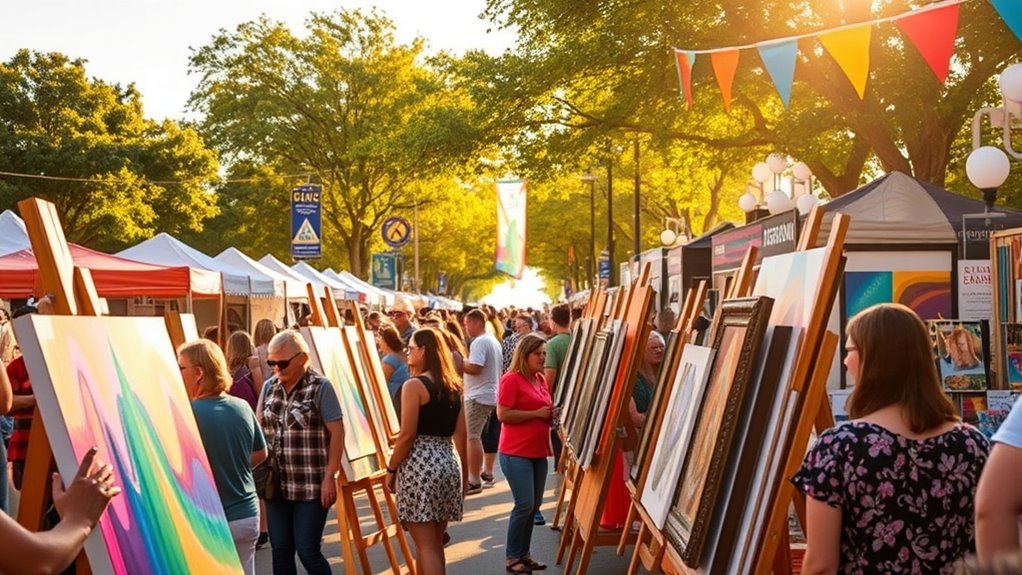
One of the best ways to kickstart your art career is by discovering local art shows and community events. Start by researching annual festivals, art fairs, and community events from past years to spot recurring opportunities.
Discovering local art shows and events is a powerful first step to launching your art career.
Reach out to event organizers early to confirm deadlines and any specific artist requirements. Attending these events ahead of time helps you network with other artists, organizers, and potential clients. This way, you build a solid understanding of the local art scene.
Prepare a focused portfolio and promotional materials tailored to each event’s audience and theme. That’ll boost your chances of acceptance.
Don’t forget to follow local arts organizations and community centers on social media. This helps you stay updated on calls for artists and exhibition opportunities.
Engaging actively with these community events not only increases your visibility but also helps you connect with a supportive network. And that network can really propel your art career forward.
Visit Galleries Early to Understand and Get Inspired by the Art Scene
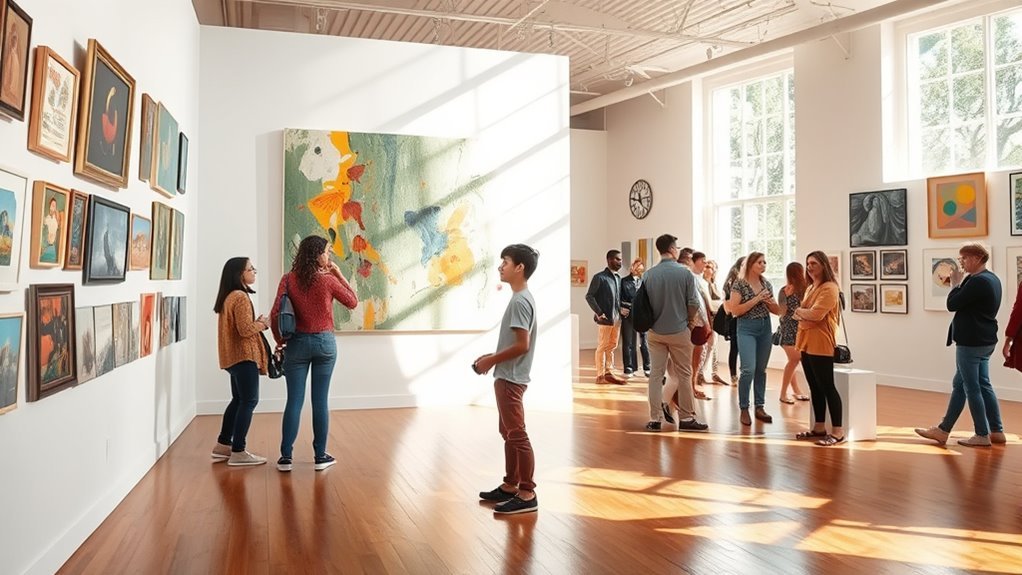
Why wait to immerse yourself in the art world when local galleries offer a front-row seat to the latest trends and professional presentation styles? Visiting galleries early lets you observe how artists price and display their work, giving you real-world insights into the art scene.
You’ll also get a feel for what resonates with local audiences and spot emerging market trends.
Make the most of your visits by focusing on these three key actions:
- Network at gallery openings to connect with curators, artists, and collectors who can open doors.
- Analyze exhibit layouts and staff interactions to learn effective presentation and marketing techniques.
- Identify potential venues for your own future exhibitions and start building relationships within the art community.
Build and Curate a Portfolio That Highlights Your Unique Style
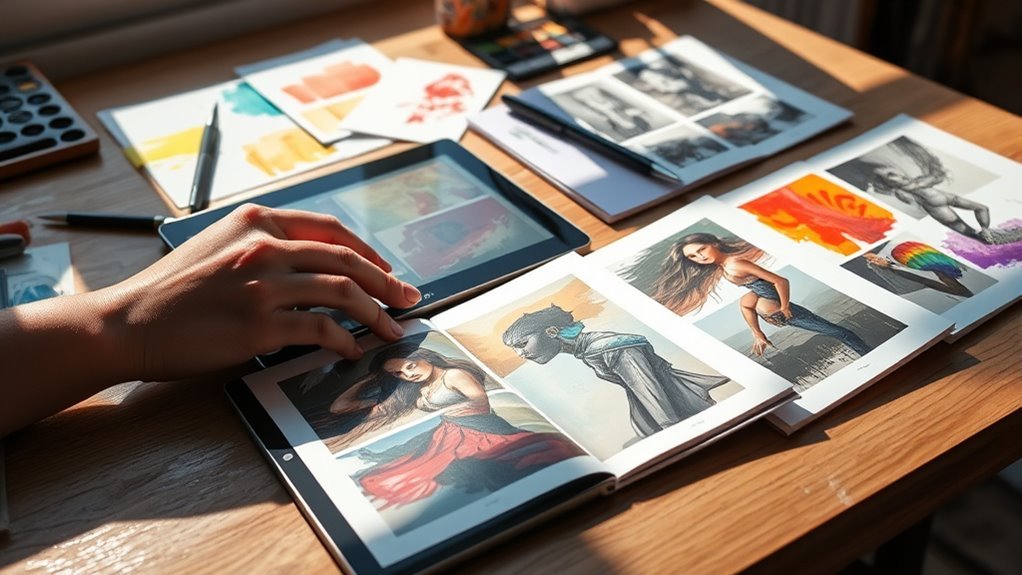
You’ll want to showcase your signature techniques by selecting artworks that clearly reflect your personal vision. Choose pieces that work well together to create a cohesive portfolio, highlighting both your range and focus.
This approach helps you stand out and communicates your unique style effectively. It’s all about making sure your portfolio feels like *you*, from start to finish.
Showcasing Signature Techniques
When building your portfolio, focus on selecting 10 to 20 pieces that clearly demonstrate your signature techniques and consistent style. Your portfolio should highlight your technical strengths and thematic focus, reflecting your unique artistic voice.
Use high-quality photos and clear descriptions to make your signature techniques stand out professionally. Organize your portfolio to tell your artistic journey, emphasizing the methods that define your style. Remember to update it regularly as your skills evolve.
To evoke emotion and connect with your audience, include pieces that showcase your passion and dedication. Also, add works that reflect moments of creative breakthrough.
Don’t forget to convey the story behind your signature techniques. This approach guarantees your portfolio not only impresses but also resonates deeply.
Selecting Cohesive Artworks
Although selecting artworks for your portfolio might seem straightforward, choosing pieces that form a cohesive collection takes thoughtful curation. Aim to build an art portfolio of 10-20 pieces that share a consistent style, clearly showcasing your artistic identity.
Focus on artworks you can complete in under four hours to maintain both productivity and cohesion. Pick works that highlight your strongest skills while offering variety within your chosen theme.
Make certain to photograph each piece in high quality and organize them systematically for easy presentation. Keep your portfolio fresh by regularly adding new work and removing pieces that no longer reflect your evolving style.
This careful selection process ensures your art portfolio effectively represents your unique voice and consistent style to potential clients or galleries.
Reflecting Personal Vision
Selecting artworks that fit together is just the start of building a portfolio that truly represents you. To reflect your personal vision and advance your art career, you need a portfolio that showcases your unique style and voice.
Focus on pieces that highlight your technical skill and thematic focus. It’s all about showing what makes your art yours.
Here’s how to make your portfolio stand out emotionally:
- Choose works that resonate with your core artistic identity and story. These pieces should speak to who you are as an artist.
- Use high-quality photos and clear descriptions to reveal the intent behind each piece. This helps people really connect with your work.
- Keep your portfolio fresh by adding new work and removing outdated or less relevant pieces. That way, it always feels current and true to your growth.
Network With Fellow Artists and Join Local Art Groups
You can start by finding local art communities where artists gather to share ideas and opportunities. Joining these groups helps you build connections, get feedback, and access events like workshops and exhibitions.
Being active in art events boosts your skills and increases your visibility within the art world. Plus, it’s a great way to meet people who share your passion and keep you inspired.
Finding Local Art Communities
When you connect with local art communities, you open doors to valuable opportunities and collaborations. Start by researching recurring local art festivals and community events where you can exhibit your work.
Use social media to follow local arts organizations’ accounts and newsletters to catch calls for entry and upcoming projects. Engage actively in local galleries, co-ops, and nonprofit spaces to build relationships with curators and artists.
Here’s how to find and connect with local art communities:
- Attend art gatherings to network with artists, organizers, and leaders.
- Join local art groups or clubs for group shows and resource sharing.
- Support community events and cultural celebrations to immerse yourself fully.
These steps help you grow your presence and enrich your artistic journey. Pretty simple, right? Just dive in and start connecting!
Benefits of Artist Networking
Although diving into your art practice can sometimes feel solitary, networking with fellow artists and joining local art groups open opportunities you won’t find on your own. Building connections boosts your visibility in the community and offers access to collaborations, mentorship, and valuable industry insights.
Sharing resources like studio space or marketing strategies becomes easier, fueling motivation and accountability. This sense of community encourages consistent creative growth and can lead to exhibitions, sales, and larger projects.
| Benefit | Impact |
|---|---|
| Collaborations | Access to joint projects and residencies |
| Mentorship | Guidance and insider knowledge |
| Shared Resources | Studio space, supplies, marketing help |
| Community Support | Motivation, accountability, exposure |
Networking strengthens your art journey by connecting you with like-minded artists and new opportunities. It’s a great way to keep inspired and push your work further.
Participating in Art Events
How can immersing yourself in local art events transform your creative journey? Attending art festivals and community events connects you with fellow artists and opens doors to new opportunities.
By actively participating, you boost your visibility and grow your network. It’s a great way to get your work seen and meet people who share your passion.
Here’s how to get started:
- Join neighborhood art groups, co-ops, or guilds to stay updated and form meaningful connections.
- Volunteer at community events to gain experience and deepen relationships with local art enthusiasts.
- Engage in group shows and workshops to showcase your work and collaborate with peers.
Also, follow local art organizations on social media to stay informed and involved. Participating in these events not only expands your network but also fuels your creative growth and confidence.
Apply Early to Art Calls, Exhibitions, and Festivals
Since opportunities in the art world can fill up quickly, you should regularly check local arts council websites, nonprofit bulletins, and social media for upcoming calls and exhibitions. To maximize your chances, apply early to art calls, exhibitions, and festivals—even if your work feels incomplete.
Early applications boost your exposure and increase acceptance odds. Prepare a professional artist bio, a clear statement, and high-quality images of your work tailored to each submission. Always follow deadlines carefully and meet specific event requirements to show professionalism.
Visiting galleries and community art spaces helps you understand display standards and lets you network with curators and organizers. This insider knowledge can improve your applications and open doors.
Share Your Art Consistently on Social Media and Online Platforms
When you share your art consistently on social media and online platforms, you build a loyal audience and boost your visibility. Regularly posting your artwork keeps followers engaged and encourages social media algorithms to promote your content more broadly.
To make the most of your sharing efforts, focus on these key strategies:
- Post short, engaging videos (under 15 seconds) that showcase your creative process, drawing viewers into your world.
- Use relevant hashtags and tags to connect with targeted communities and potential buyers, expanding your reach.
- Maintain a professional presence by using high-quality images and consistent branding, so your artwork stands out.
Create Regularly and Develop a Growth Mindset for Long-Term Success
Although progress might feel slow at times, creating art regularly is essential for building your skills and confidence. When you create regularly, even in short daily sessions, you strengthen your technical abilities and discover new artistic strengths.
Consistent daily art practice builds skills, confidence, and uncovers unique strengths over time.
Embracing a growth mindset means you see mistakes as valuable lessons. This pushes you to improve continuously rather than fearing failure.
Set achievable, incremental goals to stay motivated and track your development over time. Experiment with different mediums and styles to expand your versatility and find what resonates with you.
Maintaining a routine helps you build resilience and keeps your creative momentum going. Don’t hesitate to seek feedback—it’s a powerful tool for growth and refining your craft.
Frequently Asked Questions
How Do I Start a Career in Art?
You start your art career by creating regularly, building a strong portfolio, and sharing your work online.
Get involved in local art scenes, seek feedback, and keep learning to refine your skills and expand your opportunities.
What Is the 70/30 Rule in Art?
The 70/30 rule means you should aim to earn 70% of your income directly from selling your art, while the other 30% can come from teaching or commissions.
This way, you keep your focus on creating and selling your work.
It’s all about balancing what brings in the most income with other art-related activities that support your career.
What Are 20 Careers in Art?
You can pursue careers like fine artist, illustrator, graphic designer, art director, muralist, art teacher, curator, art therapist, concept artist, costume designer, 3D modeler, motion graphics artist, game artist, advertising artist, package designer, branding specialist, NFT artist, virtual environment designer, and entertainment concept developer.
There are so many options! Whether you love creating traditional art or working with the latest digital tools, there’s something for you in the art world. And these careers can take you in lots of exciting directions.
What Are the 5 C’s of Art?
Did you know 85% of artists say mastering the 5 C’s boosts their work? The 5 C’s are Composition, Color, Contrast, Creativity, and Craftsmanship—key elements you’ll use to make your art stand out and connect deeply.
These five things really help bring your ideas to life. Once you get a handle on them, your art can reach a whole new level.
Conclusion
Starting your art career might feel like stepping into the unknown, but with each local show you visit and every connection you make, you’re gently paving your path.
Keep nurturing your creativity, sharing your work, and embracing learning moments as quiet opportunities for growth.
Remember, every brushstroke and post brings you closer to your dream—so stay curious, stay passionate, and watch your artistic journey unfold beautifully over time.
Starting a career in art is all about taking small, intentional steps. Show up, connect with others in the art community, and keep creating. As you build your skills and network, your confidence will grow. Stay open to learning and sharing your work regularly. This way, you’ll not only develop your unique style but also find opportunities to showcase your talent. Keep your passion alive, and your art career will naturally flourish. The journey might be gradual, but every effort counts toward your success in the art world.