What Can I Do With an Art Degree: 10 Career Paths
With an art degree, you have a wide range of career paths to explore. You can become a professional artist, illustrator, photographer, filmmaker, or digital multimedia designer. These roles let you express your creativity and bring your ideas to life in unique ways.
You might also manage galleries or museums, conserve and research art, or work in marketing and sales to promote creative works.
Design careers like product design and interior decorating offer creative outlets with good earning potential.
Whether you prefer hands-on creation or behind-the-scenes roles, many paths let you apply your skills and passion. So, take some time to explore these options and find the perfect fit for you.
There’s definitely something out there that matches your interests and talents!
Key Takeaways
- Pursue careers as professional artists, illustrators, photographers, or filmmakers. Use your creative skills and technical tools to tell stories across diverse media.
- Manage art galleries or museums, organize exhibitions, and develop educational programs. This helps engage communities and preserve cultural heritage.
- Work in art conservation and research. Restore, analyze, and document artworks to ensure their longevity and historical significance.
- Enter art marketing, sales, or commercial design fields. Promote artists, manage online content, or create innovative products and interiors.
- Build careers in product design or interior decorating. Combine aesthetics with functionality to create marketable products and inviting spaces.
Careers as Professional Artists

While pursuing a career as a professional artist can be challenging, many fine art graduates successfully sell their original work through galleries, commissions, or directly to the public. If you want to thrive as one of these professional artists, you’ll need to build a strong portfolio and actively participate in exhibitions and competitions.
These steps help you establish credibility and attract buyers. You can also diversify your income by licensing your art, teaching workshops, or taking freelance projects, which strengthens your financial stability.
Roughly 11% of fine art graduates follow this core path in art careers, focusing on creating and exhibiting original work. The median annual income for artists is about $56,260, but those who consistently sell their work and secure commissions often earn considerably more.
Careers in Illustration and Engraving
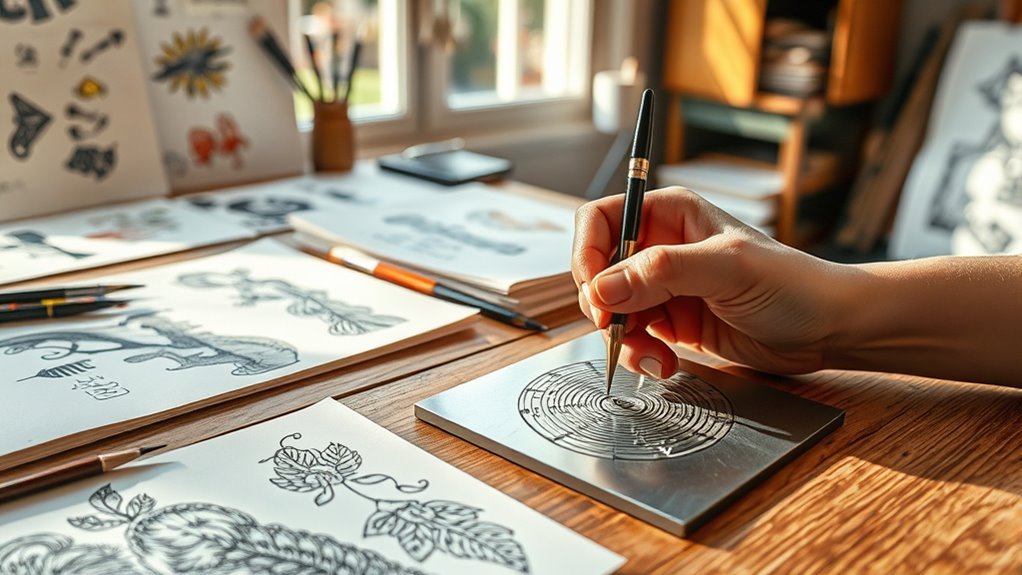
You can use illustration techniques to create images for books, ads, and digital media. Often, you’ll be working with clients or freelance.
Engraving skills let you etch designs into materials like glass or metal for custom or commercial projects. It’s a hands-on way to bring art into the physical world.
Both paths demand strong technical ability and a keen eye for detail. These skills help you bring visual ideas to life in the best way possible.
Illustration Techniques and Roles
How do illustrators and engravers bring stories and designs to life? As an illustrator, you use your skills in drawing, composition, and color theory to create images that enhance storytelling across books, advertising, and digital media. You rely heavily on digital tools like Adobe Creative Suite to refine your work and collaborate with clients, ensuring your visual communication perfectly conveys their message.
Illustration offers diverse career paths, from freelance gigs to commercial projects, with a median salary around $53,545. Engravers, meanwhile, specialize in etching detailed designs on materials like glass or metal, requiring technical precision and craftsmanship. Both roles demand creativity and mastery of their respective techniques.
This means you get to turn concepts into compelling visual art that really captures attention and tells a story. It’s all about combining skill and creativity to bring ideas to life in unique ways.
Engraving Skills and Applications
Illustrators often incorporate engraving techniques to add intricate detail and texture to their work, expanding their creative toolkit. With engraving skills, you etch designs into materials like glass, metal, or wood, producing both decorative and promotional visual materials.
If you hold art degrees, you can apply these skills in various careers, from publishing and advertising to high-end craft markets. Skilled engravers handle personal commissions and commercial projects, blending traditional craftsmanship with modern digital tools to create precise, durable artworks, seals, and signage.
While the average salary for engravers is around $32,945 annually, specializing in engraving can open doors to more lucrative opportunities. By mastering engraving, you enhance your versatility and appeal in the competitive illustration and visual arts fields.
Photography and Visual Storytelling Careers

Although capturing a single image might seem straightforward, photography and visual storytelling demand a blend of technical skill and artistic vision to create powerful narratives. With your art degree, you can explore careers that combine creativity with precision, using photography to communicate emotions and ideas effectively.
Mastering composition, lighting, and camera operation is essential. Digital media tools like Adobe Photoshop and Lightroom help you enhance your work and expand your creative range.
In photography and visual storytelling careers, you might:
- Capture compelling moments as a photojournalist
- Create striking portraits that reveal personality
- Tell stories through documentary photography
- Develop commercial images that engage audiences
These paths often offer an average salary around $47,000, letting you turn your passion into a sustainable career. By honing both your artistic eye and technical skills, you can craft visual stories that resonate deeply and inspire viewers.
Film Production and Digital Media Careers
Where can your art degree take you in the world of film production and digital media? You can immerse yourself in diverse film careers as a filmmaker, producer, or videographer, crafting documentaries, commercials, or movies. Your storytelling skills will be essential, shaping narratives that captivate audiences.
With proficiency in editing software like Adobe Premiere and Final Cut Pro, you’ll bring your vision to life through technical production.
On the digital media side, you might become a digital content manager or video editor, focusing on online branding and marketing. Here, storytelling still plays a key role, helping you engage viewers and build strong digital identities.
Salaries vary widely, with filmmakers earning around $58,335 annually and experienced videographers making up to $128,988.
Ultimately, your art degree equips you with creative and technical skills that open doors in film careers and digital media. It allows you to tell compelling stories across multiple platforms.
Digital Art and Multimedia Design Careers
If you’re drawn to creativity and technology, digital art and multimedia design careers offer exciting opportunities where you can bring ideas to life using software like Maya, Flash, and Blender. In these roles, you’ll combine artistic skill with technical know-how, working on projects for film, video games, advertising, and digital media.
Whether you’re animating characters or crafting user interfaces, your work directly impacts how audiences experience stories and products.
Bringing stories and products to life, your creativity shapes unforgettable audience experiences.
Pursuing a career in digital art and multimedia design means you can express your creativity while mastering cutting-edge tools. You’ll also design engaging user experiences through UX design principles.
Plus, you get to collaborate on innovative projects across diverse industries. And the best part? You can earn a competitive salary with plenty of room to specialize and grow.
With the right skills and possibly some extra training, you’ll find rewarding paths that fuse art and technology. This makes your degree a powerful gateway into the digital world.
Art Teaching in Schools and Communities
How can you share your passion for art while making a meaningful impact in education? Becoming one of the art teachers in primary or secondary schools lets you nurture creativity and critical thinking in young minds. You’ll typically need additional teaching qualifications or licensure to work in these settings.
If you enjoy working with adults or pursuing higher education, post-secondary art instructors often require advanced degrees and a solid exhibition record.
Beyond traditional classrooms, you can engage with community arts by coordinating local programs, workshops, and outreach initiatives. These projects foster collaboration with local organizations, increasing access to art for diverse populations.
Through art education, you’ll promote artistic literacy and cultural awareness, enriching lives and communities alike. Whether in schools or community settings, your art degree equips you to inspire others and make art a essential part of everyday life.
Art Gallery and Museum Management Careers
Sharing your passion for art can also lead you to dynamic roles in art gallery and museum management. In art gallery management, you’ll oversee daily operations, coordinate exhibitions, and manage staff to keep everything running smoothly.
As a collections curator, you’ll organize and research exhibitions, care for artworks, and build relationships with artists and collectors. If you lean toward education, becoming an art education coordinator will allow you to create engaging programs, lead tours, and foster community outreach.
In these roles, you’ll combine your art knowledge with organizational skills, making a real impact on how people experience art. Consider these rewarding aspects:
- Curate inspiring exhibitions that tell powerful stories
- Develop educational programs that ignite creativity
- Connect with artists and collectors to enrich collections
- Manage vibrant spaces where art comes alive
With median salaries ranging from around $47,793 to $66,280, you can turn your art degree into a fulfilling career in museums and galleries. It’s a great way to blend your love for art with a meaningful profession.
Art Conservation and Historical Research Careers
You’ll learn art preservation techniques to protect valuable works for future generations. Understanding historical context helps you analyze and interpret each piece’s significance.
Your research and documentation skills will support museums and scholars in maintaining cultural heritage. It’s all about keeping history alive and accessible for everyone.
Art Preservation Techniques
Although preserving art requires meticulous care and expertise, it offers a rewarding path if you’re passionate about maintaining cultural heritage. In art conservation, you’ll use specialized preservation techniques to analyze and restore artworks, ensuring their longevity.
You’ll study art materials deeply, applying scientific methods to assess and treat damage. This field often demands advanced training in chemistry or materials science, preparing you to work in museums, galleries, or private labs.
Here’s what makes art preservation techniques fulfilling:
- Bringing damaged artworks back to life
- Protecting cultural treasures for future generations
- Using science to solve artistic mysteries
- Collaborating with experts in art and science
If you love combining creativity with science, this career path might be perfect for you.
Historical Context Analysis
Understanding the historical context behind an artwork adds layers of meaning that go beyond its physical preservation. When you explore art history, you uncover the cultural and social influences that shaped a piece, enriching your interpretation.
In careers related to art conservation and historical research, you’ll analyze materials and techniques to guarantee proper restoration. You’ll also investigate provenance to authenticate works and prevent forgery.
These roles often require advanced degrees, like a master’s or doctorate, to develop expertise in conservation science or art history. Working in museums, galleries, or labs, you’ll contribute to preserving cultural heritage by connecting artworks to their historical narratives.
That way, future generations appreciate not only the art’s physical beauty but also its story and significance.
Research and Documentation
When you work in art conservation or historical research, your primary focus is on researching and documenting artworks to preserve their legacy. You’ll engage deeply with art history to understand cultural contexts and use art conservation techniques to restore and protect pieces.
Your work guarantees that future generations can appreciate these treasures.
In this career, you’ll restore and preserve artworks with specialized, careful methods. You’ll also conduct thorough research to interpret art within historical frameworks.
Cataloging and maintaining crucial documents, photographs, and records is another important part of the job. Plus, you get to contribute to art documentation by publishing findings and reports.
Pursuing advanced degrees and ongoing learning will sharpen your skills. This keeps you at the forefront of preserving cultural heritage through art history and conservation.
Careers in Art Marketing and Sales
How can you turn your passion for art into a thriving career in marketing and sales? By diving into art marketing and art sales, you can help artists and art organizations reach wider audiences and boost their visibility.
You might work as an art agent, promoting artists’ work to galleries and collectors, or as an art dealer or gallery owner, directly selling pieces and building relationships with clients. Art appraisers and auction house specialists offer another path, evaluating artwork to support sales and auctions.
In art marketing, roles like digital content manager let you craft online campaigns, curate engaging content, and analyze web traffic to elevate artists and institutions. Combining sales savvy, branding skills, event planning, and social media know-how, you’ll play a crucial role in increasing exposure and driving art sales.
Your art degree equips you with the insight and creativity to thrive in these dynamic marketing and sales careers. It’s a great way to blend your love of art with practical skills that make a real difference.
Product and Interior Design Careers
You can use your art degree to become a product designer, creating innovative and user-friendly items, or an interior decorator, arranging spaces with style and function. Both paths rely on strong visual communication, technical skills, and teamwork with clients.
Exploring these careers opens doors to various design studios, retail, and specialized fields where your creativity really shines. It’s a great way to put your artistic talents to work in practical, exciting ways.
Product Designer Roles
Although product design demands creativity and technical skills, it offers a rewarding career where you can shape everyday items that blend function with style. In product design, you’ll use your creative skills to develop products that not only look great but also enhance user experience.
You’ll often work closely with engineers and marketers to guarantee your ideas are practical and market-ready. Your visual style will play a key role in making products stand out. Plus, you’ll get hands-on with prototypes, testing materials and refining designs based on feedback.
As a product designer, you can bring innovative ideas to life and influence how people interact with everyday objects. You’ll also collaborate across disciplines, which keeps things interesting and dynamic.
And hey, the salary isn’t too shabby either — you can earn around $122,503 per year. This path truly lets your creativity and precision shine.
Interior Decorator Skills
When crafting inviting and functional spaces, interior decorators blend decor, lighting, and color schemes to transform homes, offices, and retail areas. You’ll need strong design skills to select artwork and accessories that complement the overall look, ensuring visual harmony.
Interior decorators work closely with clients, translating their preferences into stylish, practical interiors. Mastering spatial planning is essential, as it helps you arrange furniture and decor efficiently to maximize both aesthetics and usability.
Your ability to balance color theory and project management will also be key in delivering cohesive environments. With these skills, you can create spaces that not only look great but feel right for each client.
Interior decorators earn a median salary of around $72,826, reflecting the value of their expertise.
Design Career Opportunities
If you’re drawn to creating both beautiful and practical environments or products, design careers offer rewarding opportunities. As designers, you’ll blend graphic design and visual communication skills to craft functional consumer products or transform interiors.
Product designers focus on aesthetics and user experience, earning around $122,503/year, while interior decorators enhance spaces with decor and lighting, averaging $72,826/year. To thrive, you’ll need strong technical skills and an eye for materials and spatial relationships.
Career paths include working in design studios or furniture companies, freelance consulting with diverse clients, building a portfolio showcasing your specialized skills, and pursuing advanced studies in sustainable or ergonomic design.
This field lets you turn creativity into tangible, impactful work that resonates with users and spaces. It’s a great way to make a real difference with your ideas.
Frequently Asked Questions
What Kind of Career Can You Get With an Art Degree?
You can become a graphic designer, illustrator, art director, or museum curator. You might also work as a UX designer, multimedia artist, or creative director.
Your skills let you thrive in galleries, media, or education sectors. There are plenty of paths to explore with an art degree!
What Job Pays $400,000 a Year Without a Degree?
You can earn $400,000 without a degree as a top executive, successful entrepreneur, or elite athlete. These roles demand talent, experience, or leadership skills, so you’ll need to build expertise and prove your value consistently.
It’s not just about having a fancy diploma. You’ve got to show what you’re made of and keep delivering results. That’s how you reach that kind of pay.
What Are 10 Different Careers in Art?
You might not expect it, but you can be a graphic designer, museum curator, illustrator, art director, conservator, UX designer, gallery educator, fashion designer, freelance artist, or creative director—all exciting art careers where your creativity truly shines.
There’s such a wide variety of options! Whether you love working behind the scenes or being right in the spotlight, there’s something for everyone in the art world.
What Jobs Can I Do With an Art Degree?
You can work as an artist, graphic designer, illustrator, art teacher, museum curator, or gallery manager.
You could freelance or join advertising, media, or fashion industries. Or, you might want to pursue postgraduate studies to specialize and expand your opportunities.
Conclusion
With an art degree, your career options are as varied as a painter’s palette. Whether you want to create, design, preserve, or promote, there’s a path that fits your passion and skills.
Don’t limit yourself—explore fields like digital media, museum work, or product design. Your creativity can open doors you never imagined.
So, plunge into your journey and let your art degree be the brush that paints your future bright. With skills in creativity, design, and critical thinking, you can thrive in careers ranging from graphic design to art education. Remember, an art degree doesn’t just teach you to make art—it prepares you for diverse roles in industries like advertising, animation, and cultural preservation. Embrace your artistic talents and watch your career flourish!