What Is Still Life Art and Where Did It Originate?
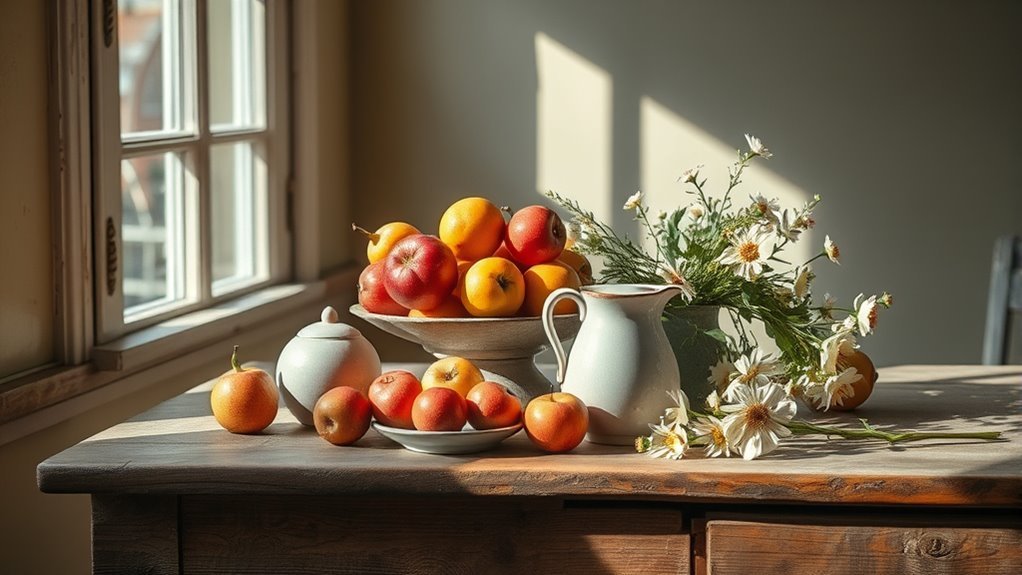
Still life art lets you explore everyday objects like flowers and food with vivid detail, using light, texture, and composition to bring them to life visually. This genre focuses on capturing the beauty found in the ordinary, turning simple items into engaging works of art. It’s all about paying close attention to the small details that often go unnoticed.
Still life art traces back to ancient Egyptian and Greco-Roman traditions but truly flourished during the European Renaissance. During this time, it evolved into a genre rich in symbolism and technical skill.
If you want to understand how this art form developed its unique meaning and impact, there’s much more to uncover about its history and influence.
Key Takeaways
- Still life art depicts inanimate objects like flowers, food, and household goods with a focus on composition, light, and texture. It’s all about capturing the beauty in everyday things.
- The style originated during the European Renaissance but actually has roots going way back to ancient Egyptian and Greco-Roman art traditions. So, it’s been around for a long time!
- This genre really took off as a way to showcase everyday objects, emphasizing realism and symbolism. Artists wanted to make ordinary stuff look extraordinary.
- The Dutch Golden Age was a huge period for still life art. Artists like Pieter Claesz really pushed oil painting techniques forward during this time.
- Over time, still life art has evolved from just showing simple objects to creating complex symbolic pieces that reflect cultural values. It’s pretty fascinating how much meaning can be packed into a single painting!
What Is Still Life Art and What Makes It Special?
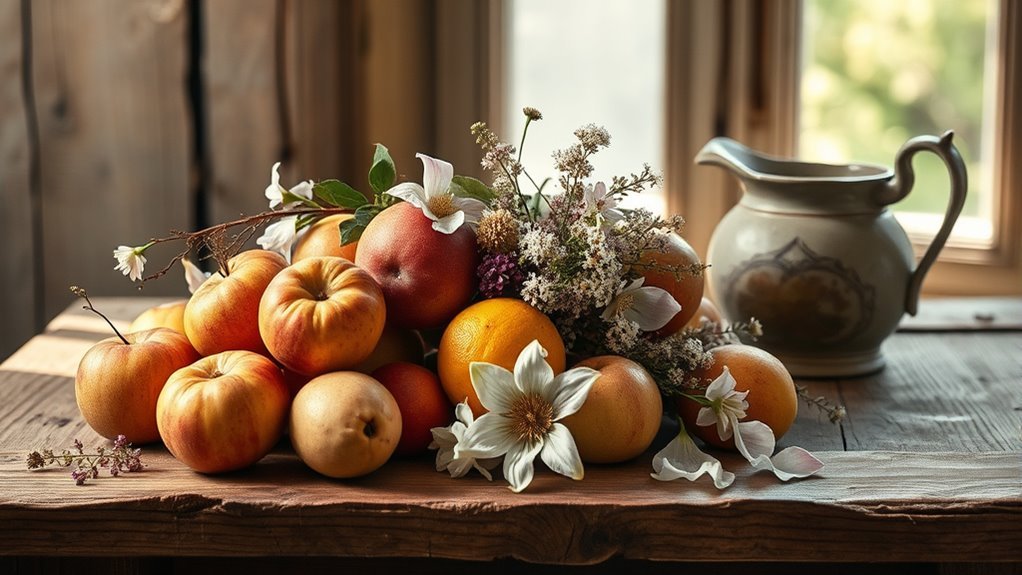
Although you might think still life art simply shows everyday objects, it actually captures inanimate items like flowers, food, and household goods with a focus on their arrangement, light, and texture. When you explore still life, you see how artists emphasize composition and realism, carefully portraying texture and light to bring these objects to life.
This genre originated during the European Renaissance but traces its roots back to ancient Egyptian and Greco-Roman art. What makes still life special is its ability to blend technical skill with symbolism, often representing deeper themes such as mortality or materialism.
Key Moments and Influences in Still Life’s History
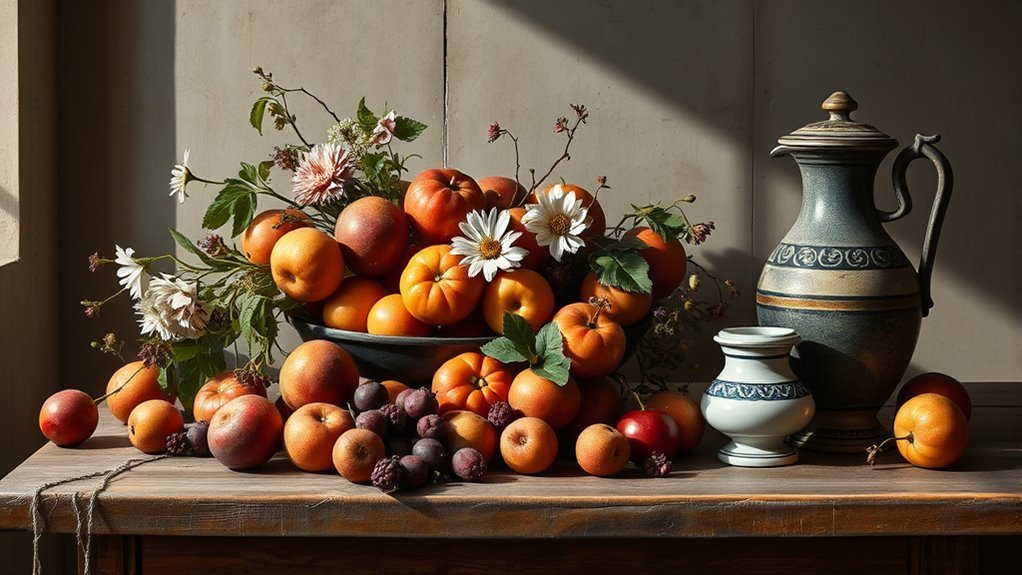
Understanding the origins and symbolism of still life art sets the stage for exploring its key moments and influences throughout history. You’ll find that still life emerged during the Renaissance origins, evolving from ancient depictions of everyday objects.
The Dutch Golden Age marked a major turning point, as artists like Pieter Claesz mastered oil painting techniques to create detailed, symbolic works. Vanitas themes became popular, reflecting societal themes about mortality and fleeting pleasures.
Flemish artists contributed to genre painting’s richness, exchanging ideas that fueled regional variations across Europe. These techniques and symbolism helped still life transcend simple object portrayal, turning it into a sophisticated art form that speaks to cultural values and human experiences.
Understanding these influences lets you appreciate still life as a dynamic, evolving genre.
Frequently Asked Questions
What Are the 4 Types of Still Life?
The four types of still life are floral, banquet, animal, and symbolic. You’ll find floral focus on flowers, banquet on food, animal on inanimate creatures, and symbolic using objects to convey deeper moral or philosophical meanings.
What Is the Most Famous Still Life Painting?
You’ll find Caravaggio’s “Still Life with Fruit” often hailed as the most famous still life painting, celebrated for its realistic detail and dramatic lighting that set a new standard for the genre during the late 16th century.
What Are 5 Still Life Objects?
You’ll find five common still life objects: fresh fruit, elegant vases, delicate flowers, aged bread, and shimmering glassware. These humble items quietly tell stories of beauty, time, and the simple pleasures you often overlook.
What Defines Still Life Art?
Still life art defines itself by focusing on inanimate objects you arrange carefully, capturing textures, light, and composition. You won’t see people or action, just lifeless items portrayed realistically to evoke mood or symbolism.
Conclusion
Still life art captivates by celebrating simple subjects with stunning detail and subtle symbolism. As you explore its rich roots—from ancient arrangements to Renaissance revivals—you’ll discover how everyday objects gain extraordinary elegance.
This timeless tradition transforms the trivial into treasure, inviting you to pause, perceive, and appreciate the artistry in the ordinary.
So, dive deep, delight in details, and let still life spark your creative curiosity today! Still life art invites us to see beauty in common things, turning simple arrangements into meaningful stories. Whether you’re an artist or an admirer, this style offers endless inspiration through its focus on detail, symbolism, and the charm of everyday objects. Embracing still life means embracing creativity and a fresh way to view the world around you.