What Is Art Appreciation and How to Start
Art appreciation means more than just looking at art; it’s about recognizing visual elements, understanding cultural and historical contexts, and connecting personally with artworks. When you appreciate art, you learn to see beyond the surface. It’s about noticing the colors, shapes, and emotions that make each piece unique.
To start, focus on a specific artist or movement. Visit galleries to observe details like color and composition. Using books or videos to learn background stories also helps. This approach sharpens your perception and deepens enjoyment.
As you explore, you’ll uncover richer meanings and discover how art can truly enrich your experiences. It’s a journey that opens your eyes and heart to creativity in new ways.
Key Takeaways
- Art appreciation involves recognizing visual elements and understanding the cultural and historical context behind artworks. It’s about more than just looking; it’s about really seeing and feeling what the art conveys.
- It enhances visual literacy, critical thinking, and fosters a personal connection with art. When you appreciate art, you start noticing details you might have missed before.
- Start by focusing on a specific art movement or artist to guide your exploration. This can make the whole process less overwhelming and more fun.
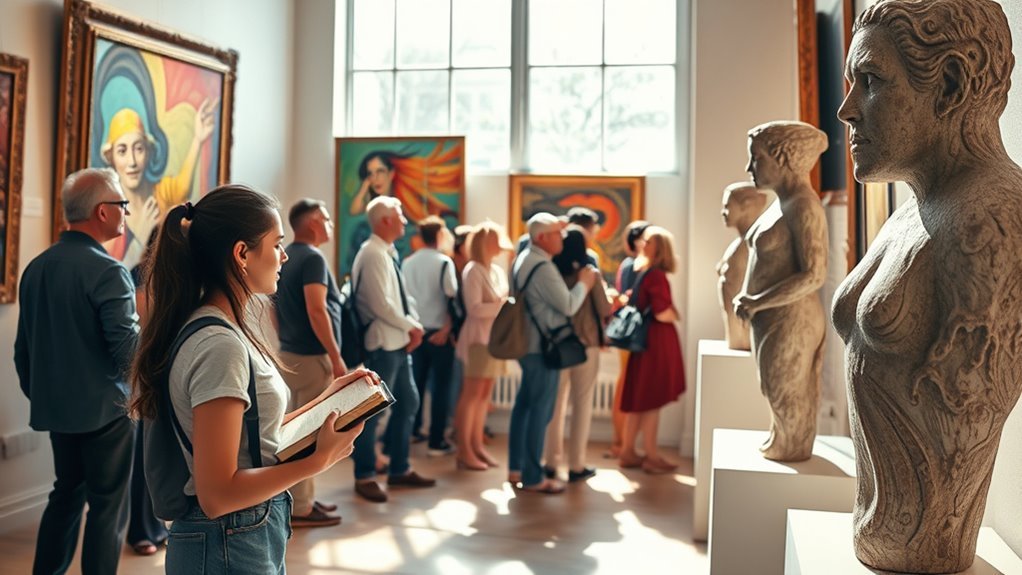
- Visit galleries or museums to observe artworks firsthand and note artistic details like color and composition. Seeing art in person can totally change how you experience it.
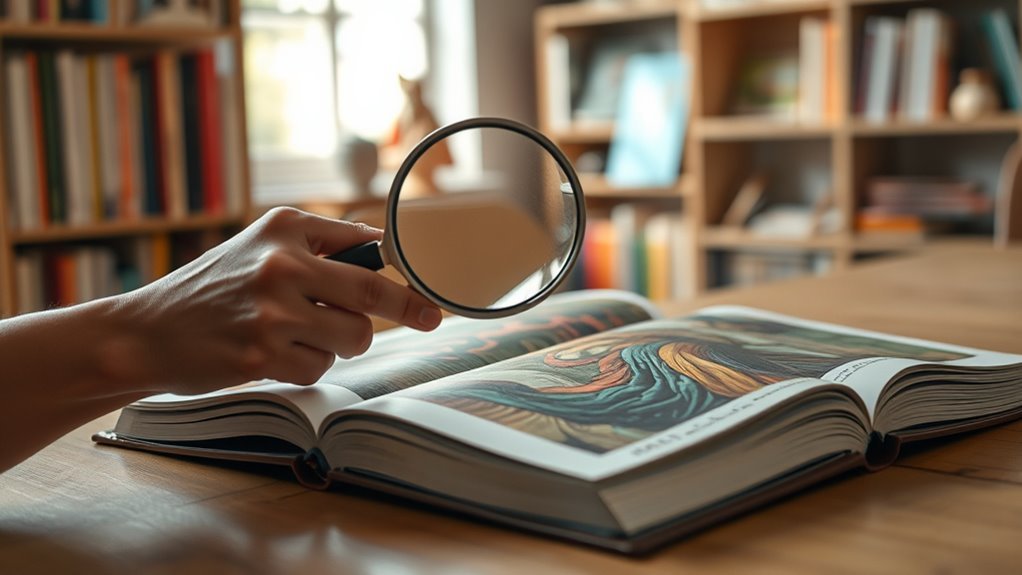
- Use books, videos, and podcasts to learn about art history and deepen your understanding. There’s so much to discover, and these resources make it easier to dive in.
Understanding Art Appreciation and Its Benefits
Although art may seem simply decorative at first, appreciating it involves recognizing visual elements and interpreting their meaning to deepen your understanding and enjoyment. Art appreciation goes beyond just looking; it invites you to explore art history and learn about different art movements. This helps you grasp the cultural and historical context behind works.
When you visit an art gallery, you start noticing subtle differences in artistic styles and details that increase the perceived value of each piece. Learning about art sharpens your visual literacy and critical thinking, making your experience richer.
Whether you’re drawn to modern art or classical pieces, appreciating art encourages ongoing curiosity and personal connection. By engaging actively with art, you enhance your ability to see beauty and complexity. This transforms your encounters into meaningful experiences that go far beyond decoration.
How to Start Appreciating Art
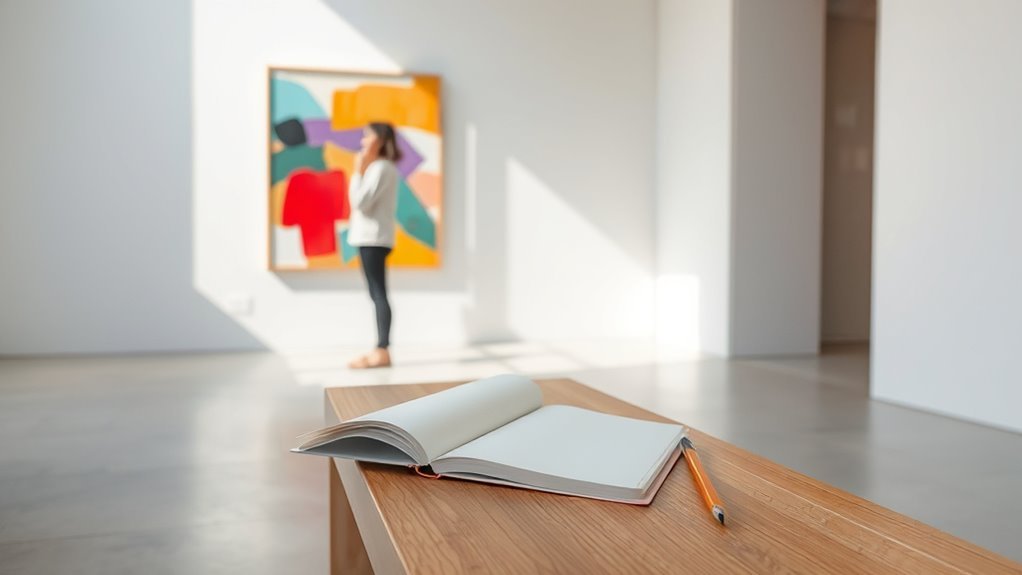
When you start appreciating art, focusing on a specific movement or artist can make the process more manageable and engaging. Choose a period of time, like the Renaissance, or an artist’s name, such as Botticelli, to guide your exploration.
Visit local galleries or an art museum to see works up close, which builds your visual familiarity and deepens your understanding. Take time to observe details in each piece, whether it’s a still life or a portrait, noting line, color, and composition.
Use books, videos, or podcasts to learn about the historical context and cultural significance behind the artworks. This background helps you grasp the value of art beyond just aesthetics.
Frequently Asked Questions
How Do You Start Art Appreciation?
You start art appreciation by observing artworks closely, noticing details like color and composition. Don’t rush to judge; instead, learn about the artist’s background and explore various pieces.
This way, you can deepen your understanding and really connect with the art. It’s all about taking your time and being curious.
What Are the 5 Steps of Art Appreciation?
You start by observing details, then analyze design elements, consider the artwork’s context, interpret its message, and finally appreciate its skill and significance.
These five steps help you connect deeply with any piece. It’s like having a little guide to really get what the art is about.
Is Art Appreciation a Hard Class?
No, art appreciation isn’t a hard class. You’ll find it enjoyable and accessible since it focuses on observing and understanding art.
Just stay curious, take small steps, and you’ll build your skills without feeling overwhelmed.
What Is Art Appreciation in Simple Terms?
Art appreciation means you notice and enjoy what makes art special—like colors, shapes, and feelings.
You’ll learn to see the effort and meaning behind artworks, making your experience with art richer and more personal.
Conclusion
Art appreciation is like opening a window to a vibrant world full of stories and emotions waiting to embrace you. By tuning your eyes and heart to the colors, shapes, and meanings, you start discovering hidden treasures in every brushstroke and sculpture.
Just take that first step—let curiosity be your guide—and you’ll find art transforming your everyday moments into a beautiful dance of inspiration and wonder. Keep exploring, and watch your world bloom.
Starting with art appreciation helps you connect deeply with creativity and culture. It’s about noticing details and feeling the emotions behind each piece. As you continue, you’ll find that art appreciation enriches your life, making ordinary days more meaningful. So dive in, enjoy the journey, and let art appreciation open new doors to inspiration and joy.