What Is the Rule of Thirds in Art?
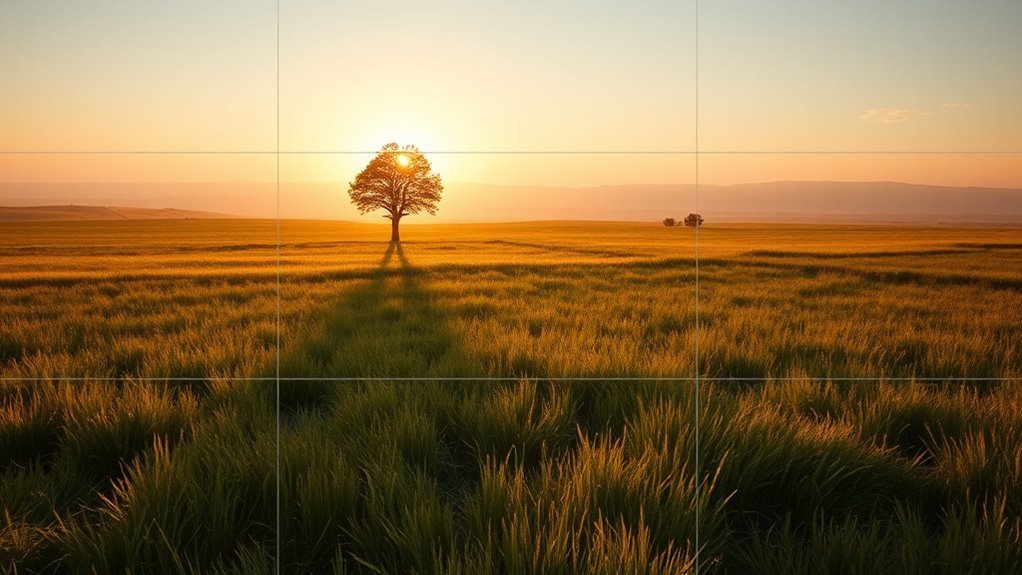
The rule of thirds is a simple yet powerful guideline in art and photography. It divides your canvas into a 3×3 grid, helping you place key elements along the lines or at their intersections instead of right in the center.
This technique naturally guides the viewer’s eyes across the artwork, creating a balanced and visually interesting composition.
By avoiding centered subjects, you prevent your piece from feeling dull or static. Whether you’re painting landscapes, portraits, or any other art form, using the rule of thirds can really make your work stand out.
It’s a great way to add harmony and depth without complicating your process. Keep practicing this approach, and you’ll discover even more ways to enhance your artwork and capture attention effortlessly.
Key Takeaways
- The Rule of Thirds divides the canvas into a 3×3 grid with two horizontal and two vertical lines for composition guidance.
- It places focal points along the grid lines or intersections to create balanced and engaging artwork.
- The rule avoids centering subjects, which helps enhance visual interest and harmony in the composition.
- You’ll see it used a lot in landscapes, portraits, and all kinds of art to position key elements in a natural way.
- Using this grid can really improve artwork quality by promoting flow, balance, and dynamic arrangements.
Understanding the Rule of Thirds in Art

How can you make your artwork more engaging and balanced? Start by understanding the Rule of Thirds, a composition guideline that divides your canvas into a 3×3 grid with two horizontal and two vertical lines.
Instead of placing your focal point dead center, position it along these lines or at their intersections to create harmony and visual interest. This arrangement naturally guides the viewer’s eye across your artwork, making it more dynamic and balanced.
Place your focal point along the grid lines or intersections to enhance harmony and guide the viewer’s eye.
Originating from classical art and architecture, the Rule of Thirds has stood the test of time as a reliable guideline. By using this grid, you avoid static compositions and enhance the flow of your piece.
Visual aids, like overlay grids or digital tools, can help you apply this rule accurately. Incorporating the Rule of Thirds into your composition brings balance and depth, elevating your artwork from ordinary to captivating.
Applying the Rule of Thirds to Strengthen Your Artwork
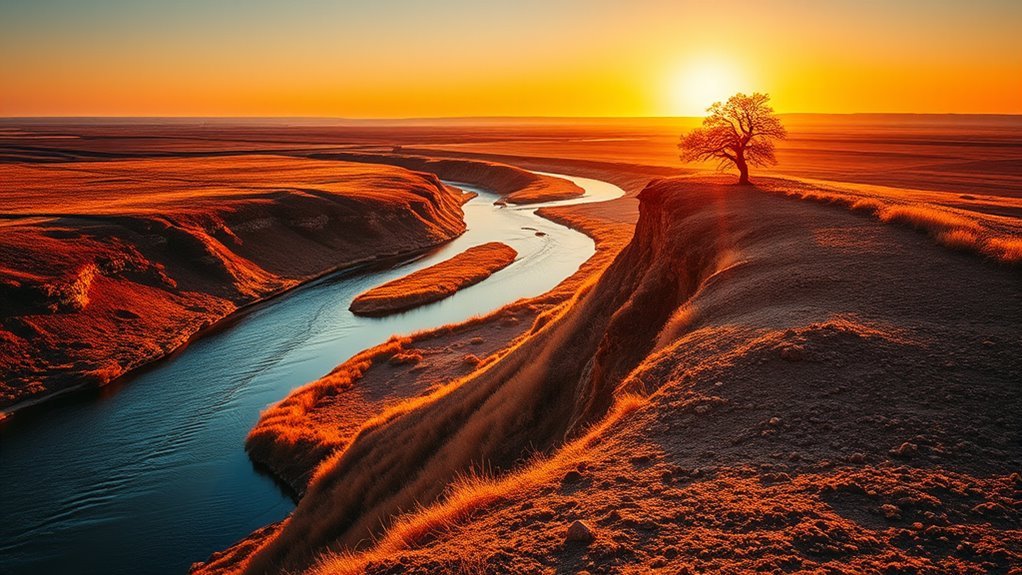
When you position key elements along the Rule of Thirds grid lines or their intersections, your artwork immediately gains balance and visual appeal. This grid system helps you create a composition that naturally guides the viewer’s eye to important focal points.
For landscapes, placing the horizon on the top or bottom third line avoids centering the scene, which enhances balance in your artwork. In portraits, aligning subjects’ eyes or main features with horizontal or vertical lines adds focal emphasis and a natural flow.
You can use digital tools like photo grid overlays on smartphones to accurately place elements according to the rule of thirds. Don’t hesitate to experiment by repositioning objects within the grid. Shifting focal points can increase visual interest and change the composition’s dynamic.
Using the lines and intersections effectively guarantees your artwork maintains balance and focal emphasis, making it more engaging and visually appealing. So go ahead, play around with it and see how your work comes to life!
Frequently Asked Questions
What Is the Rule of Thirds Example?
A Rule of Thirds example shows you placing a focal point, like a blue door, along grid lines or intersections. This creates balance and interest by avoiding the center.
It makes your artwork or photo more visually engaging. You’re basically guiding the viewer’s eye in a natural and pleasing way. It’s a simple trick that really changes how your image feels.
What Artist Uses the Rule of Thirds?
Imagine painting with nature’s invisible grid—Georgia O’Keeffe does just that. She places mountains and shadows along those lines, guiding your eyes effortlessly through her landscapes.
It makes every glance feel balanced and alive. You’ll see it too.
What Is the Rule of 3rd in Art?
The rule of thirds divides your artwork into nine equal parts, helping you place key elements along the lines or intersections. This creates balance, guides viewers’ eyes, and makes your composition more dynamic and visually appealing.
It’s a simple trick, but it really changes the way your artwork feels. Instead of everything being centered or random, you get a natural flow that’s easy on the eyes. Give it a try next time you’re working on a piece!
What Is the 70 30 Rule in Art?
The 70/30 rule in art means you should let your main subject take up about 70% of the space, leaving 30% for background or details.
This keeps your composition balanced and focused on what matters most. It’s a simple way to make sure your artwork doesn’t feel too crowded or empty.
Conclusion
Imagine your artwork as a stage, and the rule of thirds as the spotlight guiding the audience’s eyes. Just like a well-placed spotlight highlights the star performer, using the rule of thirds helps you place key elements where they naturally draw attention.
Artists who apply this simple yet powerful technique often see their work become more balanced and engaging. It makes your creations not just seen, but truly noticed.
So, go ahead—let your art shine! Using the rule of thirds in art can transform your compositions, making them more visually appealing and dynamic. It’s a straightforward method that helps create harmony and focus, drawing viewers in and keeping their eyes moving through the piece.
Mastering this principle is a game-changer for artists looking to improve balance and interest in their work. Try it out and watch your art come alive!