
7 Insights Proving The Art of War Is Worth Reading
If you want to lead better and outsmart challenges, *The Art of War* is a must-read. This ancient guide on strategic planning goes beyond just setting goals. It teaches flexible thinking and perfect timing, essential for navigating any challenge.
You’ll learn how to use deception and intelligence to gain an edge without direct conflict. Plus, it helps you understand the power of “shì,” which means leveraging situational advantage. Building loyalty with smart decision-making is another key lesson.
These timeless principles apply not only to warfare but also to business and everyday life. They offer strategies that help you stay a step ahead in any competition. Keep exploring, and you’ll see how these insights can truly transform your outcomes.
Key Takeaways
- *The Art of War* teaches adaptable strategies that go beyond just warfare. You can use its lessons in business and even everyday challenges.
- Understanding and leveraging “shì” helps leaders make the most of timing, terrain, and situational advantages. It’s all about knowing when and how to act.
- The principles of deception and espionage boost decision-making. They help by misleading opponents and gathering crucial intelligence.
- Emphasizing flexibility and psychological tactics lets you win conflicts without direct fights or wasting too many resources. It’s a smarter way to approach competition.
- Its timeless insights on planning, intelligence, and emotional awareness really improve leadership. These ideas work across many fields, not just battle.
Why The Art of War’s Strategies Remain Vital for Today’s Leaders

Many leaders today find that the strategies in *The Art of War* still hold essential value. When you apply Sun Tzu’s principles, you realize strategic planning is more than just setting goals—it’s about anticipating challenges and adapting to shifting circumstances.
His insights on deception teach you how to mask your true intentions, giving you an edge over competitors or opponents. This isn’t about trickery for its own sake but about managing perceptions to maintain advantage.
In your leadership role, understanding both yourself and your rivals sharpens your emotional intelligence and competitive analysis. Sun Tzu’s idea of “shì,” or situational potential, encourages you to spot and nurture opportunities before others do.
Plus, his emphasis on minimizing conflict and conserving resources aligns perfectly with sustainable leadership practices today. So, whether you’re steering through corporate battles or political arenas, *The Art of War* offers timeless guidance to help you lead strategically and outmaneuver challenges with skillful deception.
How Sun Tzu’s Leadership Lessons Improve Decision-Making
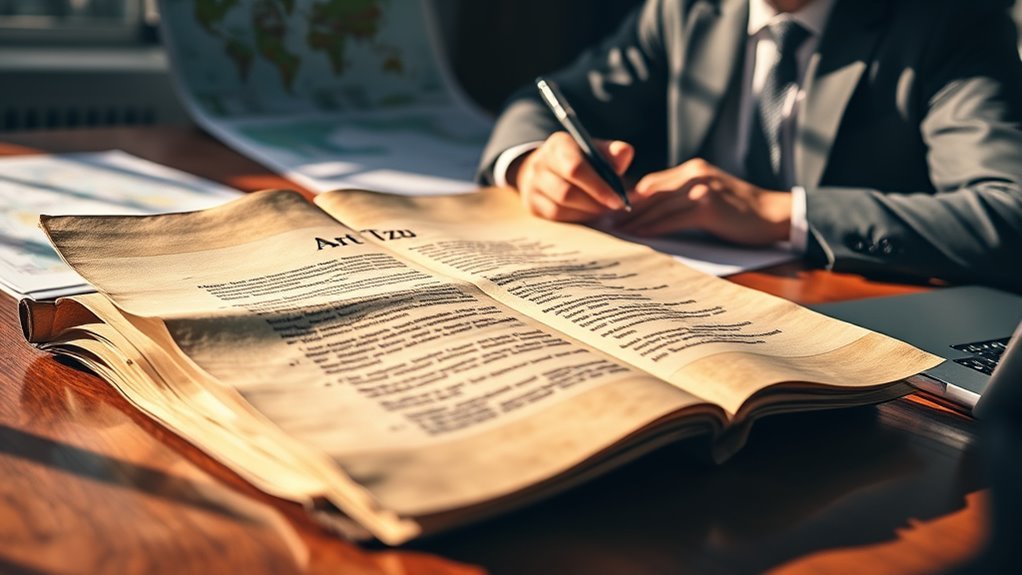
Building on the strategic insights of *The Art of War*, Sun Tzu’s leadership lessons sharpen the way you make decisions. He teaches that effective leadership blends intelligence, trustworthiness, and humaneness. This mix builds loyalty and clarity within your team, which directly enhances your decision-making.
By knowing both yourself and your adversaries, you can assess strengths and weaknesses accurately. This awareness enables more confident, strategic choices.
Sun Tzu stresses the importance of flexibility—encouraging you to continuously adapt as circumstances evolve. This approach boosts your problem-solving skills and responsiveness.
His guidance on using deception and misdirection reminds you to factor in psychological and informational aspects. That really enriches your strategic approach.
Finally, thorough preparation and understanding environmental factors ensure your decisions are informed and calculated. This helps minimize risk and maximize success.
Incorporating these leadership principles from *The Art of War* sharpens your decision-making. It makes your strategy more effective and resilient in any challenge you face.
How “Shì” Reveals Situational Advantage in Strategy
When you grasp the concept of “shì,” you unleash the power of situational advantage in strategy. Instead of relying on brute force or fixed tactics, you learn to evaluate the unique potential of each moment.
Sun Tzu teaches you to recognize and nurture natural advantages found in terrain, timing, and environmental conditions. By understanding these elements, you position yourself to gain the upper hand.
Your strategy becomes fluid as you focus on the evolving circumstances, making subtle adjustments to maximize “shì.” This means you watch trends, adapt to changes, and leverage your environment rather than forcing immediate action.
History proves that leaders who master situational advantage can outmaneuver stronger foes by strategic positioning and timing. So, by embracing “shì,” you transform your approach from rigid plans to dynamic moves that exploit the environment’s hidden strengths.
This way, your strategy is always a step ahead.
How Sun Tzu’s Deception and Flexibility Win Conflicts Without Fighting
Understanding how to harness situational advantage naturally leads you to appreciate Sun Tzu’s use of deception and flexibility as powerful tools in strategy. He teaches you to mislead opponents by appearing weak when strong and strong when weak. Turning perception into your greatest weapon is key.
Flexibility lets you adapt swiftly, avoiding costly direct conflict through clever strategic planning and psychological insight. It’s all about staying one step ahead.
You can apply these principles by:
- Feigning vulnerability to lure adversaries into traps
- Shifting tactics quickly as circumstances change
- Using misdirection to create confusion and hesitation
- Outthinking rather than overpowering your opponent
Applying The Art of War Beyond Battlefields: Business and Life
The timeless strategies from *The Art of War* extend far beyond the battlefield, offering valuable guidance for both business and everyday life. When you apply Sun Tzu’s principles, you gain a powerful strategy to navigate competition and personal challenges.
By knowing both your strengths and your competitors’, you can identify opportunities to exploit weaknesses and build a sustainable competitive advantage. Adaptability plays an essential role—just as in warfare, shifting conditions in markets or life demand flexibility and quick responses.
Understanding strengths and weaknesses, paired with adaptability, is key to seizing opportunities and sustaining success.
You can manage resources wisely, time your moves strategically, and create alliances that help you “win without fighting.” This approach reduces unnecessary conflict and maximizes your chances of success.
Whether you’re setting business goals or making life decisions, embracing these lessons sharpens your awareness and strategic thinking. Ultimately, *The Art of War* equips you to face challenges with confidence, using thoughtful strategy and adaptability to thrive beyond the battlefield.
Why Sun Tzu’s Insights Matter for Modern Strategic Thinking
Here’s why Sun Tzu’s insights matter:
You learn to read shifting circumstances (“shì”) and adjust your strategies accordingly. It’s all about being flexible and staying ahead of the game.
You focus on minimizing conflict and maximizing resource use, saving time and energy. Why waste effort when you can be efficient?
You develop psychological tactics that influence perception and decision-making. It’s not just about strength, but also about outsmarting your opponent.
You gain a holistic view of your environment, enabling smarter, more informed decisions. Seeing the big picture really makes a difference.
How Espionage and Intelligence Shape Success in The Art of War and Beyond
You can’t underestimate the power of intelligence in shaping victory. Sun Tzu breaks down five distinct types of spies to gather vital information.
When you use this intelligence effectively, you gain a clear edge in anticipating your opponent’s moves. Understanding how to deploy spies and act on their insights turns uncertainty into tactical advantage.
Types Of Strategic Spies
Although espionage often works behind the scenes, it plays an essential role in shaping the outcome of conflicts. Sun Tzu identifies five types of spies, each pivotal in gathering intelligence to outwit opponents.
You’ll find that using the right kind of spies can provide invaluable insight into enemy plans and morale. Here are the main types of strategic spies:
- Local Spies: Gather information within enemy territory.
- Inward Spies: Operate inside the enemy’s ranks.
- Outward Spies: Act in areas beyond the enemy’s immediate control.
- Double Spies: Feed false information to confuse foes.
Managing these spies effectively guarantees you receive reliable intelligence and maintain the secrecy needed to succeed in any conflict. It’s all about keeping your edge and staying one step ahead.
Intelligence Drives Tactical Advantage
Espionage doesn’t just gather information—it shapes the entire battlefield. You rely on intelligence to uncover your enemy’s strengths, weaknesses, and intentions, giving you the strategic advantage needed to outmaneuver them.
Sun Tzu’s *Art of War* teaches that effective espionage isn’t just about spying; it’s about deception and secrecy to mislead opponents. Often, this means winning battles without direct confrontation.
By categorizing spies into five types, Sun Tzu highlights how varied intelligence sources create a fuller picture of the enemy’s plans. When you apply these principles, whether in military conflicts or corporate competition, you gain an edge that brute force alone can’t achieve.
Intelligence drives your tactical advantage, turning uncertainty into opportunity. It ensures you stay several steps ahead of your adversaries.
Frequently Asked Questions
Is the Art of War Actually Worth Reading?
Yes, it’s worth reading because you’ll gain timeless strategies for thinking ahead, managing resources, and understanding opponents.
You’ll apply these lessons not just in battles but in business, leadership, and everyday challenges. It really helps you see situations from a different perspective.
What Grade Level Reading Is the Art of War?
You’ll need around an 11th or 12th-grade reading level to tackle *The Art of War*.
Like maneuvering Sun Tzu’s battlefield, you must decipher dense strategy and classical language to fully grasp its timeless wisdom.
What Kind of People Read the Art of War?
You’re likely a strategist, leader, or curious thinker if you read *The Art of War*.
You’ll find value in its lessons on competition, leadership, and psychology.
Many apply these insights to business, politics, or personal growth.
Is Sun Tzu’s Art of War Still Relevant Today?
You absolutely can’t ignore Sun Tzu’s *Art of War* today—it’s like having a secret weapon for business, politics, and life. Its timeless strategies sharpen your mind, helping you outsmart opponents and adapt brilliantly to any challenge.
Seriously, it’s not just about battles. It teaches you how to think ahead and stay flexible, which is huge in today’s fast-changing world. So yeah, diving into *The Art of War*? Totally worth it.
Conclusion
Just like Sun Tzu urged generals to know the terrain and adapt swiftly, you can master your own battles—whether in the boardroom or life’s twists. The Art of War isn’t just ancient wisdom; it’s your playbook for strategic thinking today.
By embracing deception, flexibility, and intelligence, you’ll navigate challenges with the cunning of a seasoned commander. So, pick up the lessons and lead like a strategist who’s always one step ahead.
In today’s fast-paced world, The Art of War offers timeless insights on strategy and leadership. It teaches you to stay adaptable, use intelligence wisely, and anticipate obstacles before they arise. Whether you’re managing a team or facing personal challenges, these principles help you think several moves ahead.
So, dive into this classic and discover how its teachings on strategy, deception, and flexibility can give you the competitive edge you need to succeed in any battle—big or small.