How to Identify Cuphead’s Unique Art Style
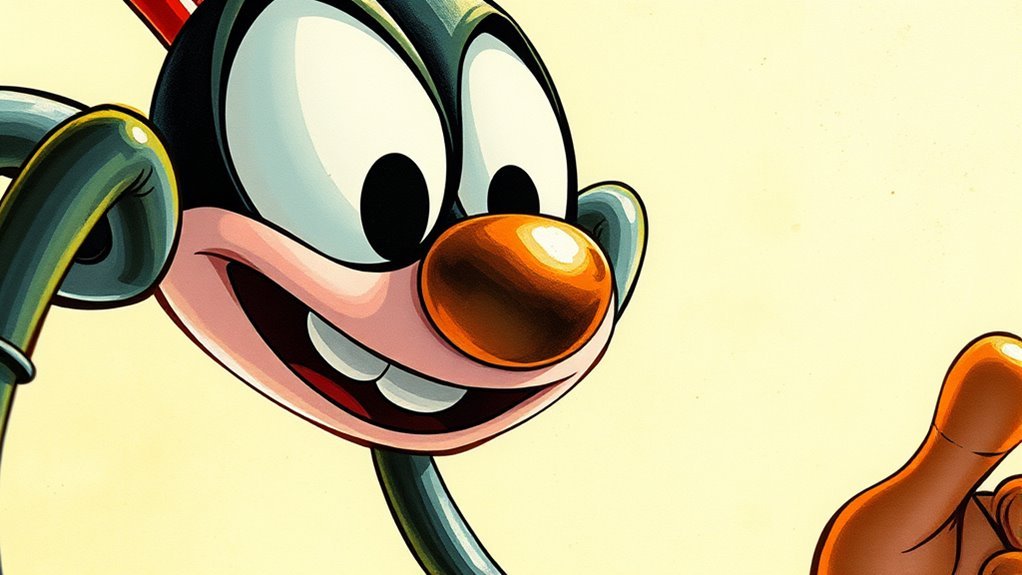
You can identify Cuphead’s unique art style by its seamless mix of hand-drawn animation and vintage film qualities. It’s all about capturing that classic 1930s cartoon vibe with frame-by-frame drawings, bold outlines, and exaggerated features inspired by icons like Betty Boop.
This style really stands out because it combines traditional artistry with a nostalgic feel. Cuphead’s rich textures, film grain, and authentic imperfections give it a period-appropriate look that feels both timeless and fresh.
It’s like stepping into a living cartoon from the early days of animation. Plus, modern tech helps bring all that early cartoon charm to life in a way that’s smooth and captivating. Keep exploring, and you’ll see how it all comes together beautifully.
Key Takeaways
- Cuphead’s art style mimics 1930s hand-drawn animation with frame-by-frame craftsmanship and exaggerated character features. It’s like stepping back in time to when cartoons were made by hand, one drawing at a time.
- It also uses vintage film grain and scratches, which really helps to evoke that authentic old cartoon reel feeling. You almost expect the characters to jump right off the screen!
- The backgrounds are detailed, static, and hand-painted, capturing the look of 1930s cartoon scenery perfectly. They give the game a rich, nostalgic vibe that feels true to the era.
- Characters have bold outlines and playful proportions, with line weight variations inspired by classic icons like Betty Boop. These details bring a charming and lively personality to every figure.
- Overall, the style is a clever blend of traditional hand-drawn techniques and modern technology. It’s this mix that creates those nostalgic, vintage cartoon visuals we all love.
How Cuphead Captures the 1930s Cartoon Look With Hand-Drawn Animation
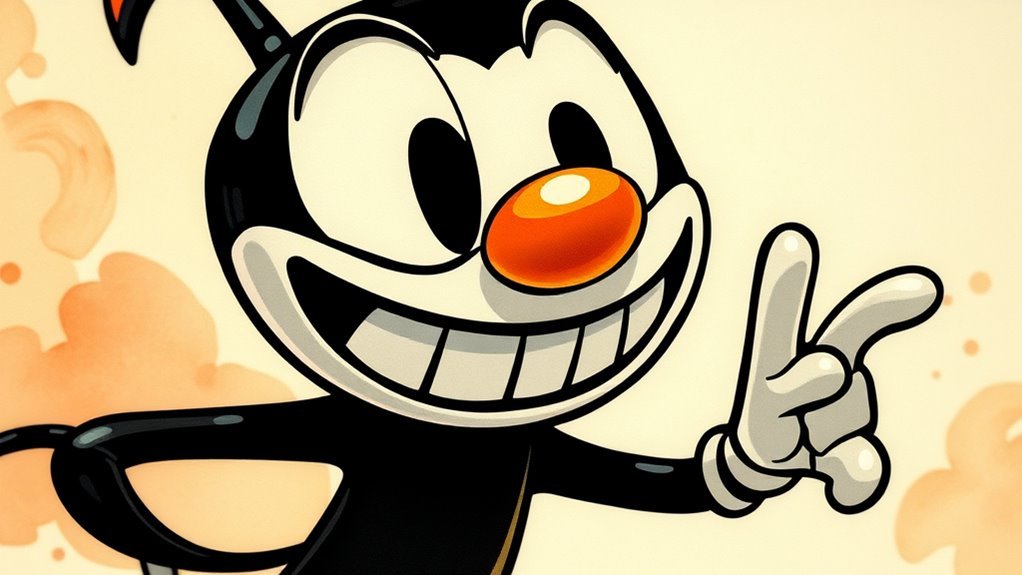
Although modern games often rely on digital effects, Cuphead captures the 1930s cartoon look by using meticulous hand-drawn, frame-by-frame animation on paper. You can see how the classic cartoon style comes to life through every carefully crafted frame, emphasizing exaggerated features that echo vintage icons like Betty Boop.
The game doesn’t just stop at animation; it embraces vintage film qualities such as film grain and scratches, which add authentic imperfections and depth to the visuals. When you play, you notice how period-appropriate visuals—like detailed static backgrounds and stylized typography—transport you back to the golden age of animation.
This hand-drawn animation process, combined with intentional flaws, perfectly mimics the charm and texture of early cartoons. By blending these elements, Cuphead delivers a genuinely nostalgic experience. It really makes you appreciate how much effort goes into replicating the 1930s cartoon look with such fidelity.
How Cuphead Creates Its Vintage, Authentic Art Style
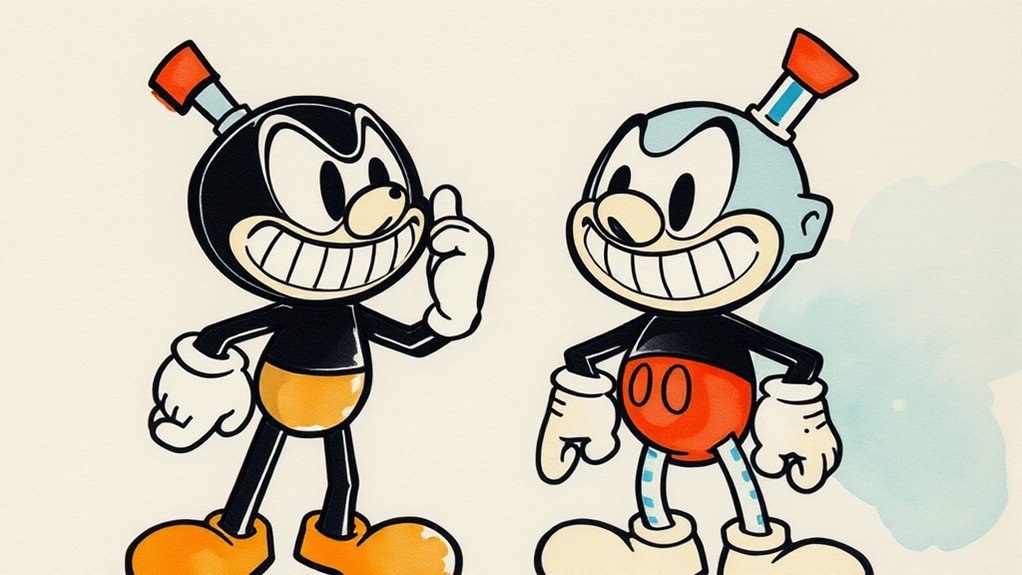
When you play Cuphead, you immediately notice its vintage, authentic art style that brings 1930s American cartoons to life. The game uses hand-drawn animation, crafted frame-by-frame on paper before digitizing and coloring each piece. This approach captures the fluidity and charm of early cartoons.
To deepen the sense of artistic authenticity, Cuphead adds vintage film grain, film scratches, and dust scanned from real old films. It really makes you feel like you’re watching an original reel. The hand-painted backdrops mimic the less-detailed, static backgrounds typical of 1930s cartoons, grounding the scenes in period-specific techniques.
Character design draws inspiration from icons like Betty Boop, featuring bold outlines and exaggerated, playful features that define the era’s style. By carefully replicating line weight variations and vintage typography, Cuphead fully immerses you in its unique, nostalgic world. It blends modern technology with traditional artistry to honor the golden age of animation.
Frequently Asked Questions
What Art Style Does Cuphead Use?
Cuphead uses a 1930s American cartoon art style, featuring hand-drawn, frame-by-frame animation with bold outlines, heavy shading, and vintage film effects.
You’ll notice nostalgic imperfections that make it feel like a classic animated short. It’s like stepping back in time to watch those old-school cartoons we all love.
How to Find Your Unique Art Style?
You find your unique art style by experimenting with different techniques, blending influences you love, and adding personal touches. Practicing consistently helps a ton, too.
Also, don’t be shy about seeking feedback. Over time, your distinctive voice will emerge through what feels authentic and exciting to you. Just keep exploring!
Is Cuphead Actually Hand-Drawn?
You might think Cuphead is purely hand-drawn, but it’s actually a clever mix. The artists first hand-drew every frame, then digitally inked and colored them.
They blend tradition with modern techniques to capture that vintage magic. It’s a cool way to bring old-school animation to life with today’s technology.
Is Cuphead Rubberhose Style?
Yes, Cuphead uses the rubber hose style. You’ll notice its exaggerated, flexible limbs and fluid movements, just like 1930s cartoons.
It’s hand-drawn frame-by-frame, capturing that vintage, bouncy animation vibe perfectly. Pretty cool, right?
Conclusion
Now that you know the secrets behind Cuphead’s vintage charm, you might think you’ve seen it all. But wait—there’s more beneath those hand-drawn frames and jazzy tunes than meets the eye.
Every detail, from the ink bleeds to the rubber hose limbs, invites you to look closer. So next time you play, don’t just watch—immerse yourself.
Discover the magic that truly makes Cuphead’s art style one of a kind. Its unique blend of 1930s animation techniques, hand-painted backgrounds, and authentic jazz music creates an unforgettable experience. By paying attention to these vintage elements, you’ll appreciate how Cuphead’s art style stands out in the world of video games. Dive in, and let the nostalgia and creativity take over!