What Is Blue Chip Art and How Do You Identify It?
Blue chip art is work by artists known for their proven market stability, cultural significance, and strong auction records. These are the kinds of pieces that collectors and investors trust because they hold their value over time and often appreciate.
When you think of blue chip art, imagine works by artists whose names are synonymous with lasting impact and prestige.
You can identify blue chip art by checking its provenance, exhibition history, and expert validation. Look for pieces that have been shown in major museums or supported by catalog raisonnés and scientific analysis. These factors help confirm the artwork’s authenticity and importance.
Blue chip artworks offer long-term appreciation and reliable investment potential. If you want to understand what makes blue chip art essential and how to spot authentic pieces, there’s definitely a lot more to explore.
Stick around, and you’ll get the hang of it!
Key Takeaways
- Blue chip art refers to works by established artists with proven market stability and cultural significance. These pieces are recognized for their lasting value in the art world.
- You can spot blue chip art by looking at consistent strong auction results. Also, these works are often part of major museum collections, which adds to their credibility.
- Provenance and exhibition history are important because they give you detailed information about past ownership and help confirm authenticity. This background story really matters.
- To verify a piece, experts might use scientific analysis or get endorsements from respected art historians. These methods help make sure the artwork is genuine.
- One of the best things about blue chip art is its potential for long-term appreciation. Plus, it tends to be more resilient against market ups and downs, making it a safer investment.
What Is Blue Chip Art and Why It Matters

What makes blue chip art stand out in the world of collecting and investing? Blue chip art represents works by artists with a proven track record of market stability and art historical importance.
Blue chip art stands out by embodying market stability and enduring art historical significance.
When you invest in blue chip art, you tap into pieces that have consistently strong auction results and institutional recognition. These works are often showcased in major museums like MoMA or Tate Modern.
This recognition not only confirms their cultural significance but also enhances their investment value over time. Unlike emerging or hype-driven markets, blue chip art offers resilience against market trends.
That makes it a safer choice for art collectors seeking long-term appreciation. Its scarcity, provenance, and established reputation create a durable economic and emotional legacy.
By focusing on blue chip art, you align with works that combine museum-grade quality with financial reliability. This ensures your collection holds both cultural weight and solid investment potential.
This blend makes blue chip art essential for serious collectors and investors alike.
How to Identify Authentic Blue Chip Artworks
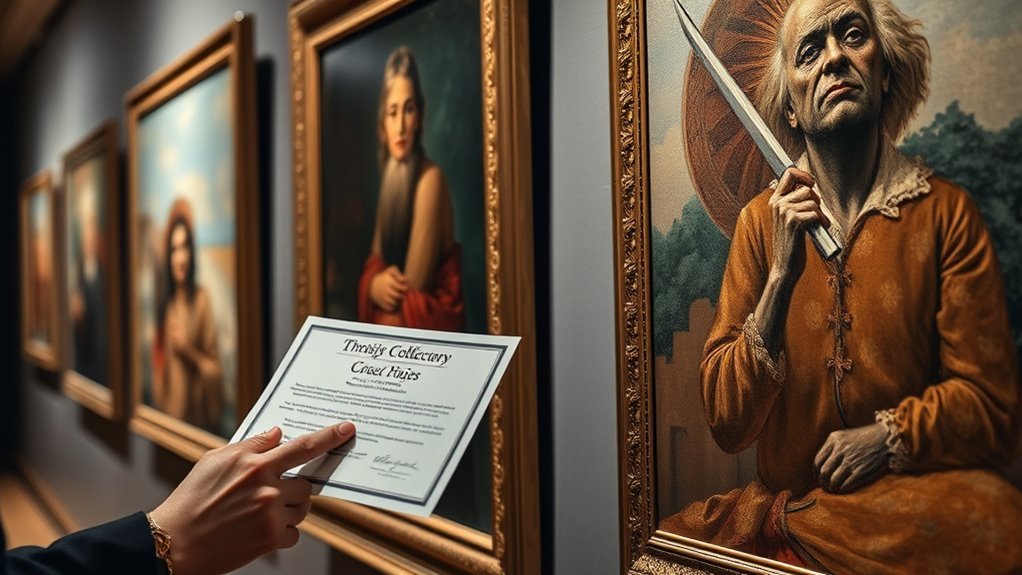
How can you confidently recognize authentic blue chip artworks? Start by examining the provenance, which includes detailed exhibition history, previous ownership, and catalog references.
Check the artwork’s auction history; consistent high prices at reputable galleries and auction houses indicate strong market validation. Look for scholarly recognition—endorsements from respected art historians and inclusion in major museum collections add credibility.
Verification often involves scientific analysis, such as pigment testing and infrared reflectography, to confirm the materials and age align with the artist’s period. Additionally, confirmed art attribution to well-established artists with catalog raisonnés strengthens authenticity.
Frequently Asked Questions
What Is Considered Blue Chip Art?
Blue chip art includes works by internationally renowned artists with proven market stability and high auction prices. You can spot it by its presence in major museums, consistent demand, cultural impact, and scarcity, especially from deceased creators.
Basically, these are the artists everyone knows and respects. Their work holds value over time, making it a safer investment in the art world.
What Is an Example of Blue Chip Art?
You can look at Andy Warhol’s Marilyn Monroe portrait as a prime example of blue chip art. It consistently fetches high auction prices and features in major museums.
This shows its lasting value and iconic status. It’s a piece everyone recognizes and respects in the art world.
What Does a Blue Chip Look Like?
A blue chip artwork often looks iconic and timeless, with strong visual appeal. You’ll notice fine craftsmanship, signature styles, and sometimes bold or subtle colors that reflect the artist’s unique influence and cultural significance.
It’s like each piece tells a story, showing the artist’s skill and impact over time. You can usually spot those special details that make the work stand out and feel important.
Is Banksy a Blue Chip Artist?
Yes, Banksy is a blue chip artist because his works consistently fetch millions at top auctions. They hold strong market value and are prized by collectors.
You can trust his pieces to maintain and grow in worth over time. It’s pretty impressive how his art keeps attracting attention and high bids.
Conclusion
Understanding blue chip art is like spotting a rare gem in a vast treasure trove—it stands out for its proven value and timeless appeal. When you identify authentic blue chip artworks, you’re not just buying art; you’re investing in a piece of history that holds steady through market ups and downs.
Trust your research, look for established artists, and remember, blue chip art offers both beauty and financial stability. These masterpieces are created by artists with a long-standing reputation and a consistent record of high auction results.
Investing in blue chip art means securing something valuable that tends to appreciate over time. It’s about blending passion with smart financial choices. So, when you think about art investing, keep blue chip art top of mind for its unique combination of cultural significance and market resilience.