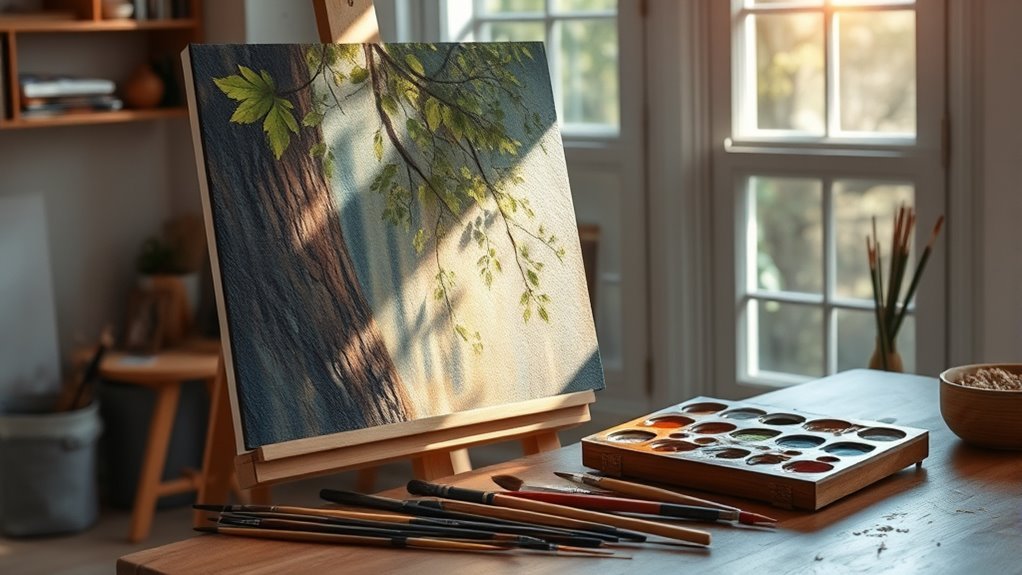
What Is Naturalism in Art?
When you explore naturalism in art, you see scenes depicted exactly as they are, without exaggeration or idealization. Naturalism focuses on portraying everyday life with true textures, lighting, and human figures captured through detailed observation.
This style aims to represent reality as honestly as possible, avoiding romanticized or dramatic interpretations.
You’ll notice artists using this approach to highlight real social and environmental issues, making their work feel authentic and relatable. It’s all about showing the world in its raw, unfiltered state.
Naturalism changed how artists represent the world, shifting art toward a more honest and genuine reflection of life.
If you keep exploring, you’ll uncover how this movement influenced art history and practice in profound ways. It opened up new possibilities for artists to connect with their audience through truthful storytelling.
Key Takeaways
- Naturalism in art focuses on authentic, detailed depictions of subjects without exaggeration or idealization. It’s all about keeping things real and true to life.
- It emerged in the mid-19th century, emphasizing everyday life and natural settings observed directly by artists. They wanted to show the world as it really is, not as a fantasy.
- The style highlights realistic textures, lighting, and true-to-life human figures, portraying social and environmental realities. You’ll notice how carefully the details are captured.
- Naturalism challenges romanticized art by presenting unembellished scenes that reveal psychological and societal depth. It’s like lifting the curtain on real-life struggles and emotions.
- Key artists like Gustave Courbet championed this approach, influencing later movements such as Impressionism. His work paved the way for a more honest style of painting.
What Is Naturalism in Art?
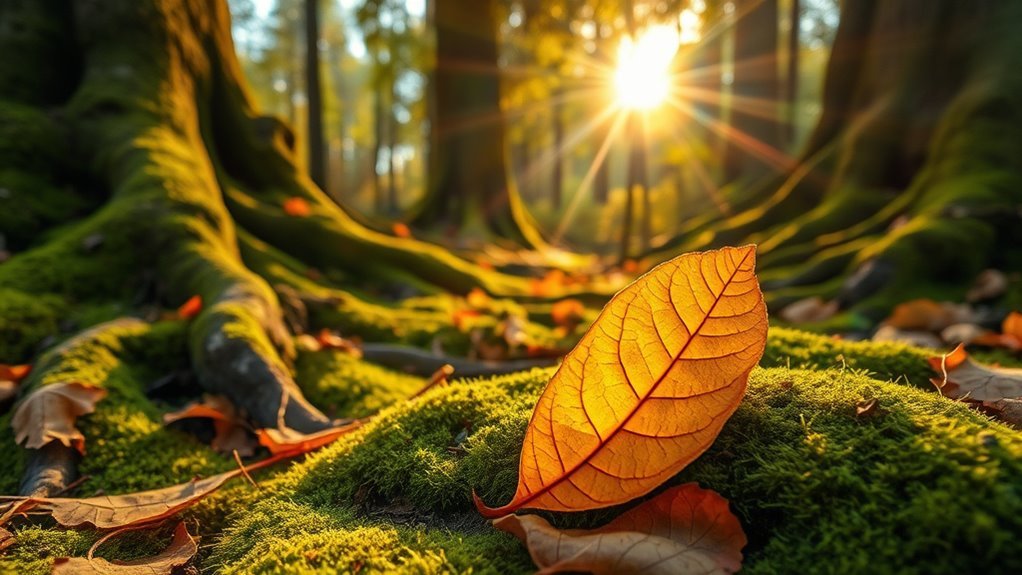
What exactly makes naturalism in art stand out? You’ll notice it in the way naturalism captures realism with an authentic depiction of subjects, avoiding exaggeration or idealization.
Emerging in the mid-19th century, this movement focused on portraying everyday life and natural settings with detailed representation. Artists worked directly from observation, emphasizing textures, light, and human figures as they truly appear.
Emerging mid-19th century, naturalism portrayed everyday life with detailed, true-to-life observation of textures, light, and figures.
Unlike romanticized art, naturalism highlights social issues and environmental realities, showing the psychological depth of ordinary people and scenes. When you look at works by key artists like Gustave Courbet and John Constable, you’ll see their commitment to honest, unembellished portrayals.
Naturalism encourages you to understand the world as it is, through careful observation and truthful depiction. It’s a powerful artistic approach that reflects both the beauty and complexity of real life.
How Naturalism Changed Artistic Representation
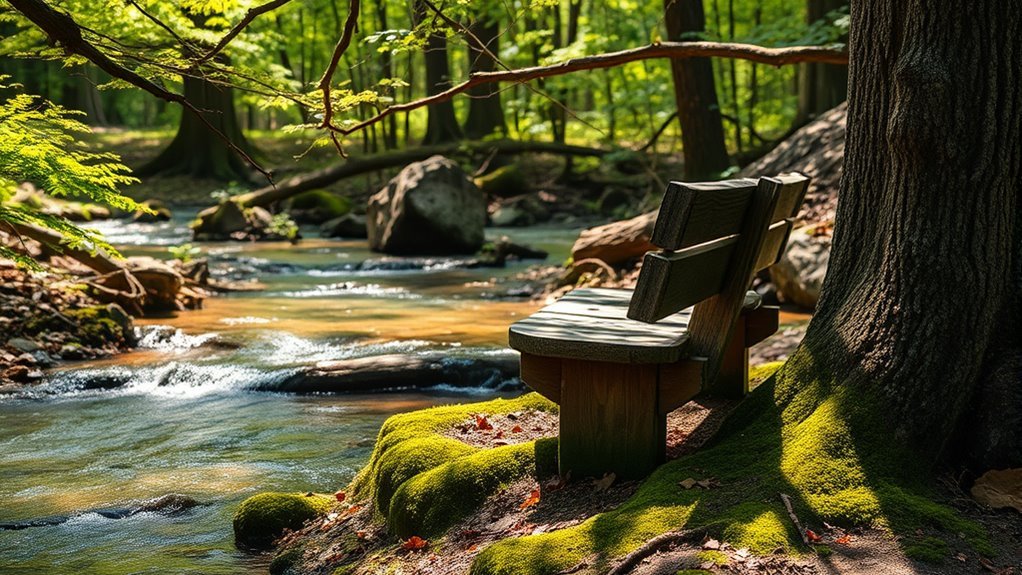
How did naturalism transform the way artists represent the world around them? Naturalism shifted artistic focus toward realistic scenes and detailed depiction of everyday life, moving away from idealized or romanticized subjects.
You’ll notice artists began painting en plein air, directly observing the natural world to capture light, weather, and environment accurately. This approach introduced scientific observation into art, ensuring each texture and color reflected reality.
By depicting societal realities like urbanization and rural life, naturalism brought honest portrayals of social struggles and changing landscapes to the forefront. You’ll see that this emphasis on truthful, unembellished representation challenged previous artistic conventions.
Ultimately, naturalism laid the groundwork for movements like Impressionism by encouraging artists to engage closely with their surroundings and capture life as it truly appeared. If you pay attention, naturalism invites you to experience art that mirrors the world with precision and authenticity.
Frequently Asked Questions
What’s the Difference Between Naturalism and Realism in Art?
You’ll see naturalism idealizes nature with detailed, serene scenes, while realism focuses on everyday life’s social struggles.
You’ll notice naturalism’s scientific approach contrasts with realism’s emphasis on human agency and social critique.
What Is an Example of Naturalism Art?
You can check out Gustave Courbet’s *A Burial at Ornans*, where somber scenes showcase simple souls. You’ll see lifelike, unembellished figures capturing genuine grief, proving naturalism’s power to portray plain, poignant moments with precise, patient detail.
It’s like Courbet wanted to bring real life right onto the canvas, no sugarcoating or glam. Just honest, raw emotion and everyday people in all their complexity.
What Is Naturalism in Simple Terms?
You see naturalism as art that shows things exactly how they are, without changes or fancy effects. It captures real life, everyday scenes, and people honestly.
It focuses on true details and natural lighting you’d notice around you. That way, it feels like what you see could be happening right in front of you.
What Is the Difference Between Impressionism and Naturalism?
You’ll spot naturalism’s detailed, steady scenes, like a calm lake reflecting every leaf.
While impressionism bursts with vibrant, fleeting light, like sunlight dancing on water—one captures truth, the other feels the moment’s mood.
Conclusion
You might think naturalism in art just means painting things as they are, but it’s way more than that—it’s like giving the world a high-definition makeover! When you embrace naturalism, you’re not just capturing a scene; you’re making it so real, people might try to step right into the painting.
It changed art forever, turning simple images into powerful, lifelike stories you can almost touch. You’ve got to see it to believe it!
Naturalism in art focuses on accurate, detailed representation of the natural world, making scenes feel vivid and true to life. It’s all about precision and bringing out the beauty in everyday moments. This approach helped artists connect deeply with viewers by showing the world as it really is, without idealization or exaggeration.
In the end, naturalism transformed art by blending realism with emotion, creating works that are both visually stunning and genuinely relatable. It’s a style that invites you to experience the world through the artist’s eyes, making naturalism a timeless and powerful movement in art history.