
How Do You Get an Art Agent in 10 Essential Steps?
To get an art agent, first decide if having one fits your career goals and artistic vision. It’s important to know why you want an agent and what you hope to achieve with their help.
Building a strong, updated portfolio is key—it shows your best work and growth as an artist.
Craft an artist statement that highlights your unique style and creative approach. This helps agents understand who you are as an artist.
Next, research agencies that match your work and personalize your pitches to stand out from the crowd.
Networking is huge—attend events and connect with agents online to get your name out there.
Prepare for meetings by knowing what questions to ask and what you want to share about your art.
When you find the right fit, negotiate contracts carefully to protect your interests.
Finally, maintain open communication with your agent to nurture the relationship.
This partnership takes effort, but it can open doors and help your career flourish.
There’s so much more to explore on making this collaboration truly successful!
Key Takeaways
- Prepare a professional, updated portfolio showcasing your best and diverse artwork. Make sure to include clear descriptions and an artist statement.
- Research and identify art agencies that align with your style and career goals. This way, your outreach is more targeted and effective.
- Build genuine relationships by engaging with agencies on social media. Also, try attending industry events to meet people in person.
- Tailor your submission materials for each agency. That means including a personalized pitch, a portfolio link, and an artist statement.
- Negotiate clear representation agreements before finalizing anything. Cover commissions, contract terms, and responsibilities so everyone’s on the same page.
Decide If You Need an Art Agent
Before you seek an art agent, ask yourself if your career has reached a point where professional representation will truly boost your exposure and sales. If managing promotion, negotiation, and networking is draining time from your creative work, an art agent could be a smart move.
Reflect on your career development—do you have a strong portfolio and reputation that would attract a reputable agent? Hiring one makes the most sense when your artwork commands higher prices and needs expert marketing to reach the right buyers.
If you’re still building your profile or have limited sales, self-representation might suit you better for now. Deciding if you need an art agent depends on whether professional help will genuinely advance your career and improve your success in selling artwork.
Research Agencies That Fit Your Style and Goals

Once you’ve decided that an art agent could benefit your career, start by researching agencies that align with your style and goals. Look for art agencies specializing in your medium or market niche.
Visit their websites to review portfolios, client lists, and the types of artist representation they offer. Pay close attention to submission guidelines to guarantee your work fits their criteria.
Check testimonials and artist success stories to gauge their reputation and effectiveness. Don’t hesitate to contact agencies directly to ask about their submission process and responsiveness.
This hands-on research helps you target agencies that not only match your artistic vision but also provide the support you need to grow professionally.
Build a Portfolio to Attract Art Agents
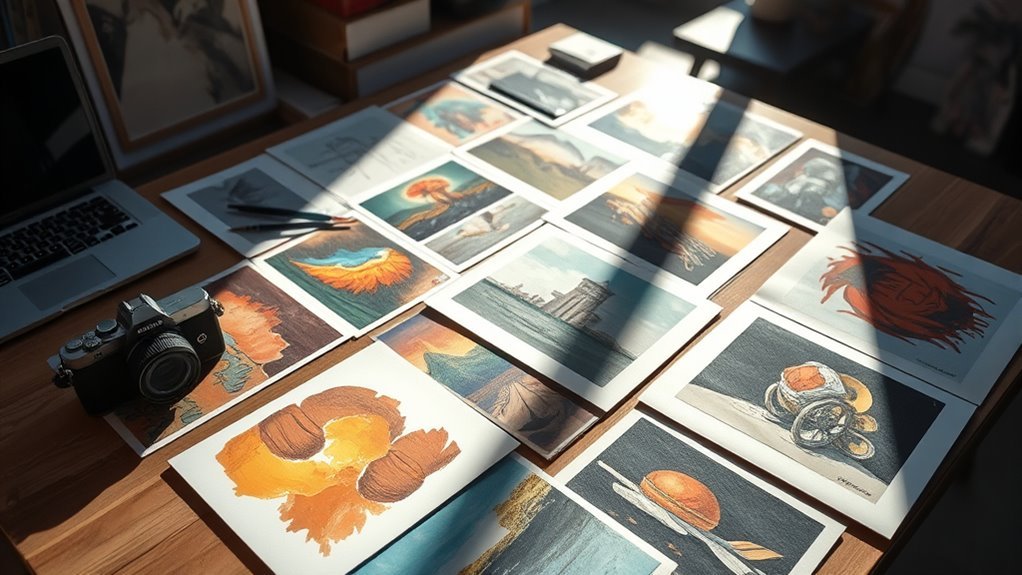
Although finding the right art agent is essential, you won’t attract one without a compelling portfolio that highlights your unique style and skills. As a visual artist, your portfolio must be high-quality and cohesive, showcasing your best work while reflecting your distinct artistic voice.
Include a variety of pieces that demonstrate your versatility and technical skills across different mediums or themes. Keep your portfolio updated by adding fresh work and removing outdated pieces that no longer represent your current direction.
Present your portfolio professionally, whether through a sleek website or crisp digital images. Organize it clearly with labels and descriptions to help art agents grasp your creative process and intentions.
A well-crafted portfolio is your key to catching the attention of art agents and advancing your career. So, take your time with it—it really makes all the difference!
Craft an Artist Statement That Highlights Your Vision
When you craft your artist statement, you give art agents a clear window into your vision and creative process. Your artist statement should clearly articulate your artistic vision, the themes you explore, and the concepts behind your work.
Highlight what makes your style unique and how it stands out in the art market. Be sure to include specific details about your techniques, materials, and influences, so agents grasp the depth of your practice.
Keep your statement concise and professional—one to two paragraphs or about 300 words is ideal. Remember to update your artist statement regularly to reflect your evolving goals and recent work.
A well-crafted artist statement strengthens your professional image and helps art agents connect with your art on a meaningful level. It’s a great way to share what drives you and why your work matters.
Network at Art Events and Online Communities
You should attend gallery openings to meet agents and other artists in person. It’s a great way to make real connections face-to-face.
Also, join online art forums to connect with a wider community and discover new opportunities. These platforms are super helpful for staying in the loop.
Engaging actively with artist communities helps you build relationships that can lead to representation. So, don’t be shy—jump in and get involved!
Attend Gallery Openings
Attending gallery openings gives you direct access to industry professionals like curators, gallery owners, and fellow artists. It’s one of the most effective ways to build meaningful connections.
When you go to these events, you get the chance to showcase your work and engage in genuine conversations. Plus, you can learn what art agents look for in emerging talent.
Networking at gallery openings also helps you stay updated on market trends. It’s a great way to spot opportunities for representation.
By consistently showing up, you demonstrate commitment and increase your chances of catching an art agent’s eye. Make a point to engage with attendees and staff alike.
These interactions often lead to valuable insights and potential referrals. Remember, gallery openings are prime venues for building relationships that could launch your art career.
Join Online Art Forums
How can you expand your reach beyond physical gallery spaces? Joining online art forums is a powerful way to do just that.
By actively participating in online communities, you’ll connect with fellow artists, curators, and art agents who often share valuable insights and opportunities. Many art agents monitor these forums to discover emerging talent, so regularly sharing your work can increase your visibility and attract their attention.
Engaging in virtual art events and discussions strengthens your networking, making it easier to approach agents or get recommended for representation. These platforms are essential tools for building relationships and learning about potential representation, helping you move closer to securing an art agent who believes in your work.
Engage With Artist Communities
When you immerse yourself in artist communities—whether at local gallery openings, art fairs, or online forums—you open doors to valuable connections with agents and industry professionals. Attend events like artist talks and join professional groups such as the Art Dealers Association of America to expand your networking opportunities.
Engage actively in online art communities, commenting on and sharing others’ work to boost your visibility. Maintain a consistent, professional presence on your website and social media to attract agents browsing for new talent.
Engage Art Agencies on Social Media
Since many art agencies actively promote their services and showcase artists on Instagram and LinkedIn, you can use these platforms to connect directly with agents. Engage with art agencies on social media by following their profiles, liking and commenting on posts, and sharing your relevant work.
This kind of engagement helps build relationships and shows genuine interest. Don’t hesitate to message agents to introduce yourself and share your portfolio. Keep an eye out for live sessions or virtual open calls, which create excellent opportunities to get noticed.
| Action | Platform | Benefit |
|---|---|---|
| Follow accounts | Stay updated on agency news | |
| Comment on posts | Increase your visibility | |
| Share your work | Showcase your talent | |
| Direct message | Personal introduction | |
| Join live sessions | Engage in real-time interaction |
Prepare for Meetings With Potential Art Agents
After building connections with art agencies on social media, the next step is to prepare thoroughly for meetings with potential agents. Start by researching each agent’s specialization, client list, and reputation so you know who aligns with your art style.
Prepare a professional portfolio that highlights your best work and clearly communicates your artistic vision. Alongside your portfolio, organize relevant documents like exhibition history, sales records, and press coverage to show your professionalism.
Develop a concise pitch that explains your unique style, career goals, and why you want representation. Practice answering common questions about your art and aspirations confidently.
Contact Art Agents With a Tailored Pitch
Although finding the right art agents takes effort, crafting a tailored pitch considerably boosts your chances of getting noticed. Start by researching agents who specialize in your medium and style to guarantee a good fit.
When you reach out, personalize each pitch to highlight why you seek representation from that specific agent or agency. Make sure your email includes a clear introduction, a concise artist statement, and a professional portfolio link. This approach shows professionalism and commitment.
Key points to include in your pitch:
- A brief, personalized introduction explaining your artistic focus
- A link to your polished portfolio showcasing your best work
- Specific reasons why you want their representation and how you align with their interests
Tailoring your pitch increases the likelihood of forming a meaningful connection. So, take the time to make each message count!
Negotiate Your Representation Agreement
Before you sign, make sure you clearly understand the commission rates and how they apply to your sales. Define the contract duration and any renewal or termination terms upfront.
This clarity helps you avoid surprises and keeps your partnership on solid ground. It’s all about making sure everyone’s on the same page from the start.
Clarify Commission Terms
When you negotiate your representation agreement, make sure you thoroughly review the commission percentage, payment schedule, and any additional fees the agent includes. It’s important to clarify whether the commission applies to all sales or only certain transactions or galleries.
Also, confirm that the payment schedule is clear—know exactly when and how you’ll receive your earnings. Don’t forget to check that the agent agreement protects your creative control and aligns with your sales goals.
Focus on these key points:
- Commission rate fairness and the scope of sales it covers
- Transparent payment schedule with clear timing
- Additional fees or costs beyond commission
Define Contract Duration
How long do you want your representation agreement to last? Defining the contract duration clearly is essential to avoid misunderstandings. Decide whether you prefer a short-term or long-term contract and negotiate specific terms before signing.
Make certain the agreement includes renewal options, termination rights, and notice periods. This way, both you and your agent know when and how you can end or extend the deal.
Outline the scope of your agent’s responsibilities and your obligations during this time. Also, discuss commission rates, payment schedules, and any fees tied to the contract period to keep finances transparent.
Finally, confirm the contract specifies conditions for renegotiation or modification before expiration. This gives you flexibility if circumstances change during your representation.
Stay in Touch and Collaborate With Your Art Agent
Why does staying connected with your art agent matter? Regular communication, collaboration, and trust form the foundation of a successful partnership. You need to keep your agent updated on new work and career developments through emails, calls, or meetings.
Staying connected with your art agent builds trust through regular updates and open communication.
Actively seek their input on your portfolio and marketing strategies. This way, you can refine your approach together. Building trust means being open, professional, and consistent in all interactions.
Here are key actions to maintain a strong relationship:
- Keep prompt responses to your agent’s requests for materials like images or statements.
- Share your goals and feedback clearly to ensure strategy alignment.
- Collaborate on upcoming exhibitions and promotional efforts.
Frequently Asked Questions
How to Get an Art Agent?
You find agents who fit your style, prepare a strong portfolio, and send personalized messages showcasing your work. Check their credibility, follow up politely, and be ready for meetings to discuss how they can represent you effectively.
How Much Does an Art Agent Cost?
You’ll typically pay an art agent 20% to 30% commission on sales, though fees can range from 10% to 50%. Some may ask for upfront or monthly retainers, so always review contracts carefully before signing.
What Is the 70/30 Rule in Art?
Imagine you sell a painting for $1,000; the 70/30 rule means you keep $700 while your agent takes $300. It’s a common commission split ensuring you earn most from your art sales.
Is It Worth Getting an Art Agent?
Yes, getting an art agent is worth it if you want to boost exposure, save time on negotiations, and access bigger opportunities. Just remember, agents take commissions, so weigh the benefits against your current career stage carefully.
Conclusion
Landing an art agent is like planting a seed in fertile soil—you’ve nurtured your craft, done your homework, and reached out with intention.
As you watch your connection grow, remember to water it with communication and collaboration. Keep shining your unique vision, and soon you’ll see your art bloom in galleries and hearts alike.
With patience and passion, your creative journey with an agent can become a vibrant, flourishing masterpiece. Building a strong relationship with your art agent takes time, but it’s worth every effort.
Stay proactive, keep sharing your evolving work, and embrace feedback to grow together. This partnership can open doors to new opportunities, helping your art reach wider audiences and making your creative dreams a reality.
Remember, landing an art agent is just the beginning—nurture that connection, and watch your artistic career flourish like never before.