3 Key Costs: How Much Does Art School Cost?
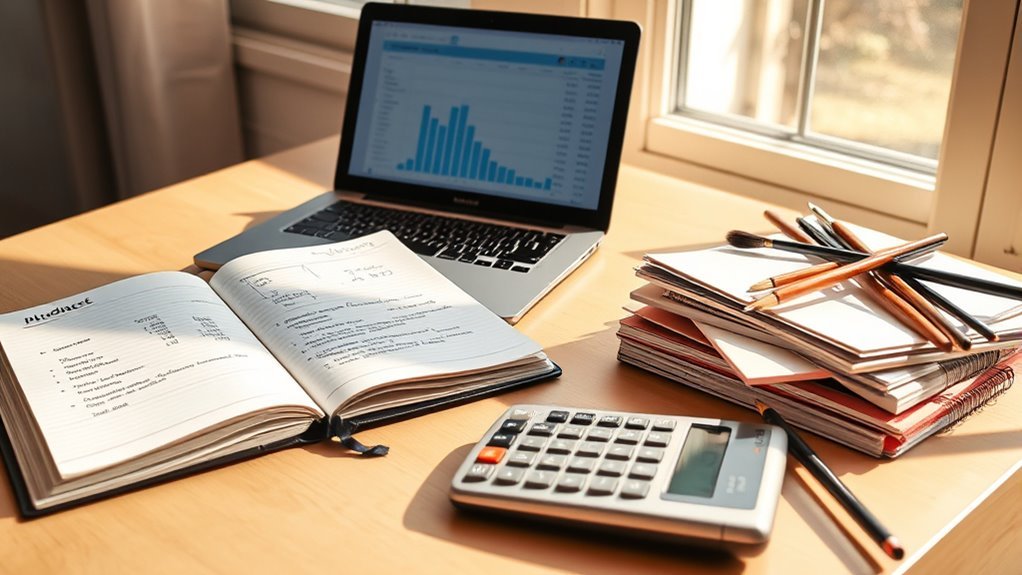
When you attend art school, you’ll face three main costs: tuition and mandatory fees, living expenses, and supplies plus technology. Knowing these key costs upfront can help you plan your budget and avoid surprises.
Tuition varies a lot — it’s around $10,940 yearly at public schools but can jump to $30,000–$50,000 at private ones.
Living expenses depend on where you live and your housing situation. If you stay with family, it might be about $1,315 a month, but in bigger cities, it can easily go over $2,000.
Then, there are supplies like paints, software, and equipment. These add extra costs you shouldn’t overlook.
Keep all these in mind, and you’ll be better prepared for the financial side of art school. There’s more helpful info ahead to guide you through it all.
Key Takeaways
- Tuition at private art schools averages $42,000 yearly, while public in-state tuition is about $10,940 per year.
- Mandatory fees for technology, health, and library services add $1,000 to $3,000 annually.
- Living expenses vary widely, from $1,315/month living with parents to over $2,000/month for urban housing and transport.
- Art supplies and technology costs range between $450 and $3,500 annually, including software and equipment.
- Course load impacts tuition and studio fees, so budgeting should consider credit hours and additional material costs.
Understanding Tuition and Mandatory Fees

Although art school tuition varies widely, you can expect to pay around $42,000 per year at private institutions, with costs ranging from $30,000 to $50,000 annually.
Private art school tuition typically ranges from $30,000 to $50,000 annually, averaging about $42,000 per year.
When considering the cost of attending art school, tuition fees aren’t the only expense. You’ll also encounter mandatory fees, which cover essentials like technology, health services, and library access, typically adding $1,000 to $3,000 yearly.
Studio fees and studio costs can further increase your overall cost, as many programs charge separately for materials, lab use, or assessments.
Tuition per credit hour usually ranges from $400 to $800, so your course load directly impacts total expenses.
If you attend a public university, expect lower tuition fees, especially if you qualify for in-state tuition, which averages around $10,940 annually.
Keep in mind that financial aid can help offset these charges, but understanding the breakdown of tuition, studio fees, and mandatory fees is essential before budgeting for art school.
Living Expenses: What Art Students Should Expect
When you plan your budget for art school, don’t overlook living expenses, which can substantially impact your overall cost. Your living costs will vary widely based on your housing choice and location.
Here are key areas to factor in:
1. Housing Expenses and Food: On-campus housing costs range from $10,000 to $15,000 annually, including utilities and meals. If you live with parents, expect to spend about $1,315 per month on food and housing.
Urban students often face higher rent and transportation costs, sometimes exceeding $2,000 monthly.
2. Transportation and Commuting Costs: Budget $70 to $100 monthly for commuting, whether by public transit or driving.
3. Personal Expenses: Expect to spend $460 to $563 monthly on supplies, entertainment, and daily necessities.
Understanding these monthly expenses helps you prepare financially for art school and avoid surprises in your budget.
Supplies and Technology Costs Every Art Student Needs to Budget For
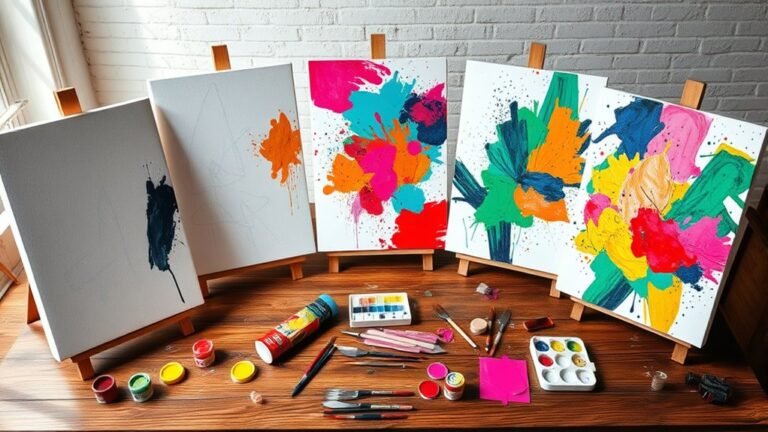
Because art relies heavily on both traditional materials and modern technology, you’ll need to budget carefully for supplies and digital tools. As an art student, expect to spend between $150 and $350 annually on art supplies like paints, brushes, and canvases.
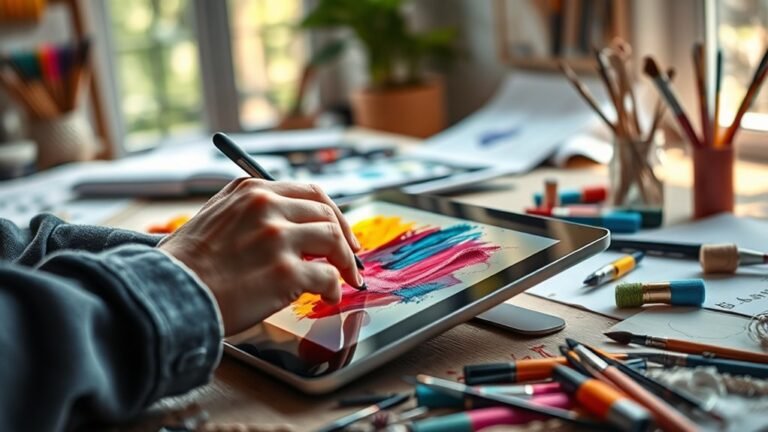
If you specialize in sculpture, plan for $200 to $500 yearly on studio equipment such as clay, kilns, and tools. Digital design software, like Adobe Creative Cloud, costs about $600 per year, a significant part of your technology costs.
Don’t forget the upfront investment in personal computers or tablets with design software, which can range from $1,000 to $2,500. Additional expenses include sketchbooks, protective gear, and printing, adding another $100 to $400 annually.
Frequently Asked Questions
How Much Does Art School Usually Cost?
Art school usually costs you between $10,000 and $50,000 per year for tuition alone.
When you add supplies, fees, and living expenses, you’re looking at $20,000 to $70,000 annually. It really depends on the school you choose.
Is Art School Actually Worth It?
Art school can be worth it if you focus on building skills, networking, and gaining experience. But you don’t have to attend to succeed; many artists thrive through self-teaching and industry connections alone.
Choose wisely.
What College Is $90,000 a Year?
You’re staring at a $90,000 mountain—schools like the New York Academy of Art charge that steep tuition.
If you’re chasing elite art training, you’ll need grit, passion, and probably some serious financial aid to climb that peak.
What Is the Cheapest Art School in the US?
You’ll find Kent State University among the cheapest art schools in the US, especially if you’re an in-state student.
Public universities and community colleges also offer affordable pathways. So, look for scholarships to lower costs even more.
Conclusion
Just like Da Vinci needed more than talent to create masterpieces, you’ll need to plan for tuition, living expenses, and supplies to succeed in art school. These costs might seem intimidating now, but with a clear budget, you can paint your own path to success.
Remember, every great artist invests in their craft—not just with creativity, but with smart financial choices. So, get ready to invest wisely and watch your dreams come to life.
Art school can be costly, but understanding the key costs like tuition, living expenses, and art supplies helps you prepare better. When you budget carefully, these expenses become manageable, making your journey smoother. By planning ahead, you’re not just paying for education—you’re investing in your future as a successful artist. Keep these costs in mind, stay organized, and your art school experience will be as inspiring as your creative journey.