What Makes Art Art?
What makes art art is your skill and clear intent to transform marks into meaningful expression. Anyone can make random marks, but true art shows purposeful effort, mastery, and a deliberate message. It’s not just about making something look nice—it’s about communicating something deeper.
Your work becomes authentic when it connects with emotions or ideas through crafted technique.
Plus, art gains status through cultural recognition, social acceptance, and the support of art institutions.
If you keep exploring, you’ll discover how these elements come together to shape what we truly call art. It’s a journey that blends creativity, intention, and appreciation in a way that makes art more than just marks on a page.
Key Takeaways
- Art requires skill and clear intent to transform marks into meaningful, purposeful expression.
- Authentic art communicates emotions or ideas through deliberate effort and mastery.
- The distinction between art and random activity lies in purposeful craftsmanship and message clarity.
- Cultural and social contexts influence what is recognized and valued as art.
- Museums, communities, and societal norms validate and shape the definition and status of art.
Skill and Intent: Core Criteria for Defining Art
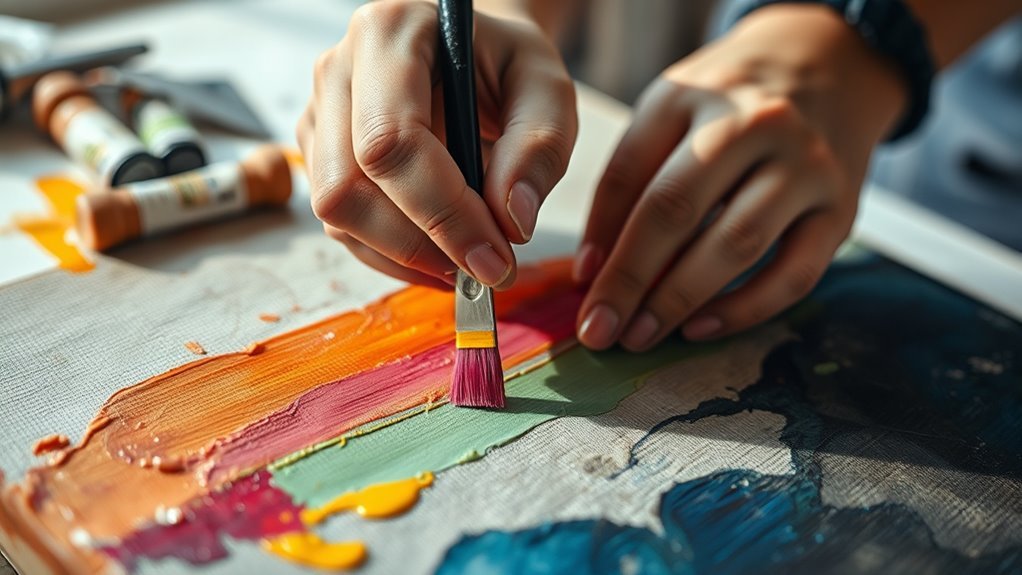
Although anyone can create marks on a canvas, it takes skill and clear intent to transform those marks into genuine art. When you approach art with purposeful effort and mastery, you’re not just making random strokes—you’re applying technique and craftsmanship to communicate meaning.
True art emerges when skill and clear intent elevate marks beyond randomness into meaningful expression.
Your ability ensures that each mark serves a purpose, contributing to an authentic expression rather than mere chance. Whether you reproduce a complex masterpiece or develop your own style, your intent drives the communication behind the work.
Without deliberate effort and a clear message, your creation risks being dismissed as accidental or superficial. Art demands that you engage deeply, using your abilities to convey emotions or ideas with authenticity.
In this way, skill and intent form the core criteria that distinguish true art from random activity, shaping your work into something meaningful and resonant.
Cultural Context and Recognition: Social Dimensions of Art
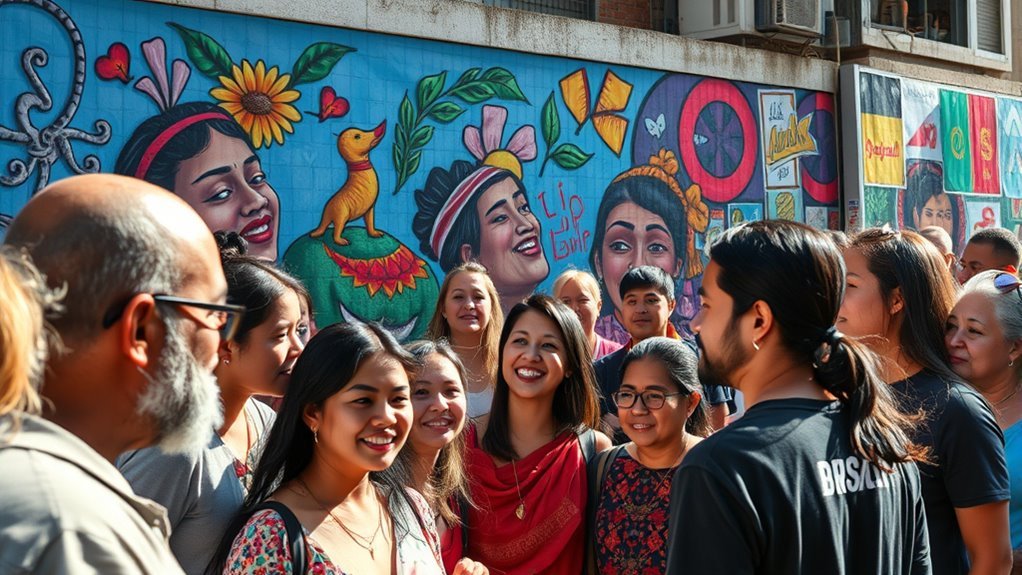
Because art exists within a social framework, its recognition depends heavily on the communities and institutions that validate it. You’ll find that social recognition plays a pivotal role in art classification, as what counts as art often aligns with cultural norms and shared values.
Art institutions like museums and galleries give artistic status through aesthetic acknowledgment. This influences cultural relevance and interpretive context. Societal influence shapes how audiences perceive and assign meaning to artworks, reinforcing their identity as art.
Controversies, such as Duchamp’s urinal, show how debates on social acceptance define art’s boundaries.
| Aspect | Role in Art Recognition |
|---|---|
| Social Recognition | Validates art through community acceptance |
| Cultural Norms | Set standards for what is considered art |
| Art Institutions | Confer artistic status and aesthetic value |
| Shared Values | Influence interpretive context and meaning |
| Societal Influence | Shapes art classification and cultural relevance |
Frequently Asked Questions
What Qualifies Art as Art?
You qualify art as art when it shows skill, effort, and clear intention. It needs to evoke emotions or ideas, not just randomness.
And you know, the art community’s recognition helps confirm its status as genuine art.
What Are the 7 Elements of Art?
Imagine you’re baking a cake; the seven elements of art—line, shape, form, space, texture, value, and color—are your ingredients.
You mix them skillfully to create a visual feast that delights the eyes and stirs emotions.
What Truly Defines Art?
You define art by the skill you apply, the message you convey, and the emotions you evoke. It’s not random; it’s intentional, recognized, and meaningful.
It blends effort and creativity to communicate something unique and valuable. That’s what makes it stand out, you know?
What Are the Five Qualities of Art?
You’ll find originality, technical skill, emotional impact, conceptual depth, and aesthetic harmony—these five qualities explode on the canvas, dance in your mind, and grab your heart.
They prove art’s power beyond any ordinary creation you’ve seen.
Conclusion
You might be surprised to learn that 85% of people agree skill and intent are essential for something to be considered art. This shows how much we value the artist’s effort and purpose.
But remember, art isn’t just about technique—it’s also about how culture shapes what we see as meaningful. So next time you encounter art, think about both the creator’s skill and the cultural story behind it.
That’s what truly makes art, art. Skill, intent, and cultural context all come together to create meaning. When we appreciate these elements, we see why art resonates so deeply and stands the test of time. So, art isn’t just a product of talent—it’s a rich blend of creativity, intention, and cultural influence that shapes how we experience and value it.