What Does Rhythm Mean in Art?
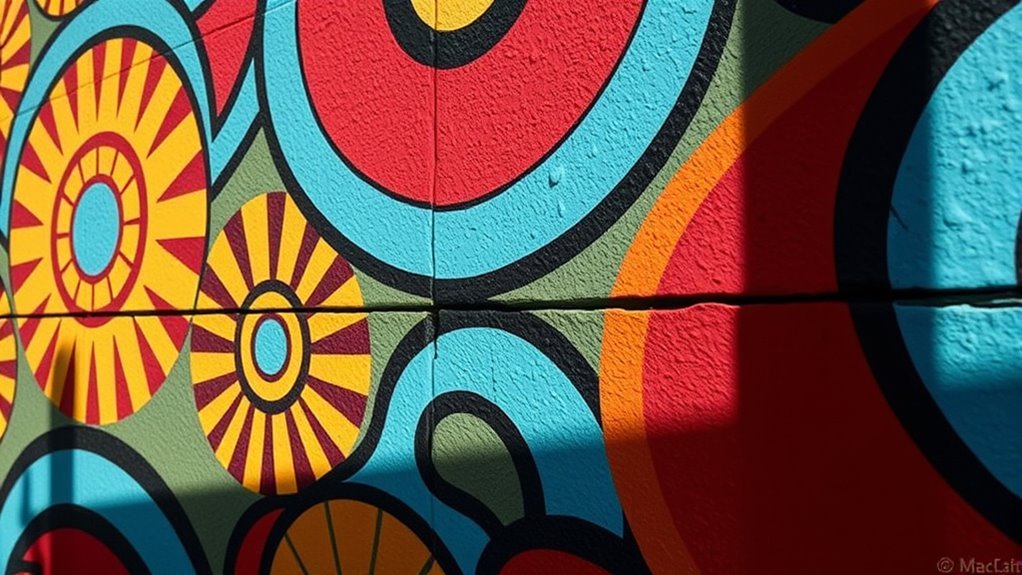
Rhythm in art means you see shapes, colors, or lines repeating to create patterns that guide your eye smoothly across the work. This visual rhythm brings harmony and balance, making the piece feel alive and connected.
It’s all about how the elements flow together to create a sense of movement and unity.
You’ll notice different types, like steady regular rhythms or flowing, organic ones that suggest movement. This repetition not only keeps you engaged but also helps convey the artwork’s emotional energy and message.
Keep exploring, and you’ll discover how rhythm truly shapes your visual experience.
Key Takeaways
- Rhythm in art is the repetition of shapes, colors, or lines to create visual patterns and guide the viewer’s eye. It organizes elements to establish harmony, balance, and emotional engagement within the composition.
- It’s all about creating a sense of movement and dynamism, which makes the artwork feel lively and unified. Different rhythm types include regular, alternating, flowing, and progressive, each adding unique visual interest.
- Rhythm shapes the visual flow, reinforcing the artwork’s thematic message and enhancing artistic communication. So, it’s not just about looks—it helps tell the story the artist wants to share.
What Rhythm in Art Is and Why It Matters
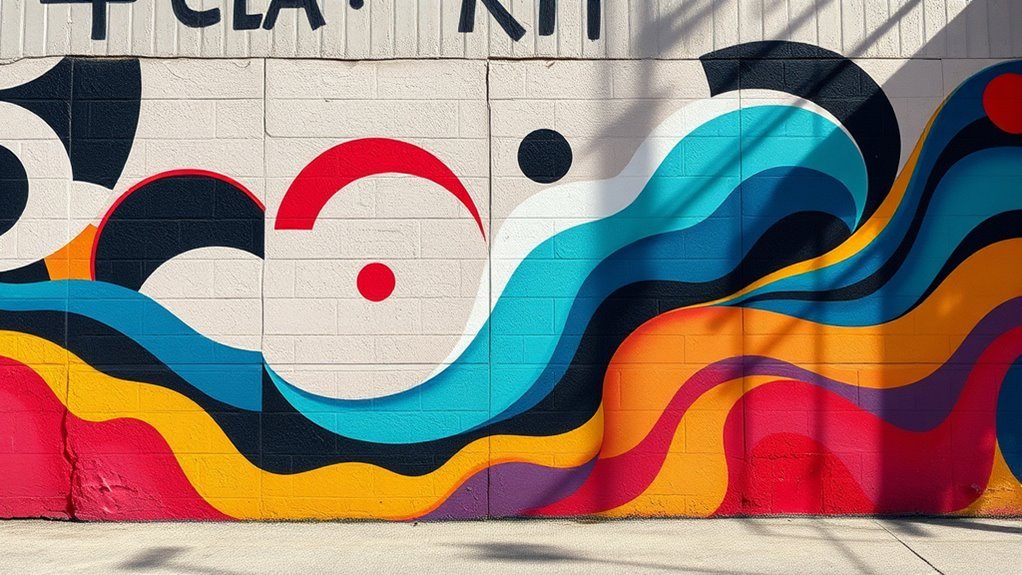
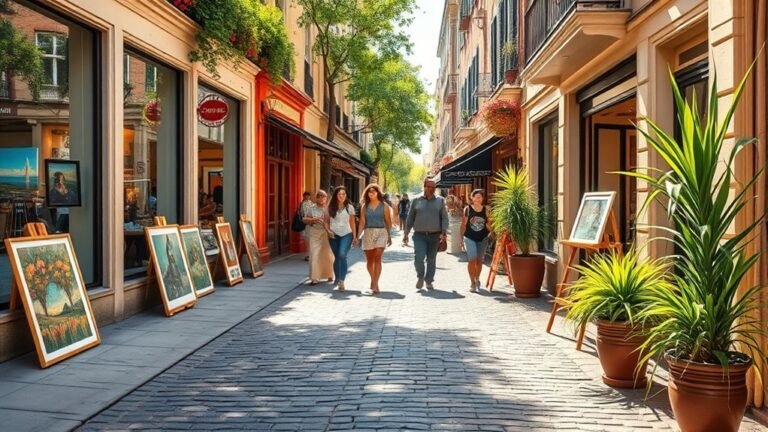
Although you might not always notice it, rhythm in art shapes how your eyes move across a piece by using repeated elements to create patterns. Rhythm organizes visual elements through repetition, guiding your gaze and evoking a sense of movement within the composition.
Whether it’s a flowing rhythm that gently leads you through curves or a regular rhythm with steady repetition, these patterns create harmony and balance you can feel. This rhythmic structure enhances artistic expression by making the artwork more dynamic and emotionally engaging.
When you observe how shapes, colors, or lines repeat and interact, you’re experiencing rhythm’s power to unify the piece and maintain a smooth flow. Rhythm isn’t just decoration—it’s a fundamental tool artists use to communicate visually.
It helps you connect with the artwork on a deeper level and appreciate the thoughtful arrangement behind every stroke and detail.
Types of Rhythm in Art and How They Create Movement
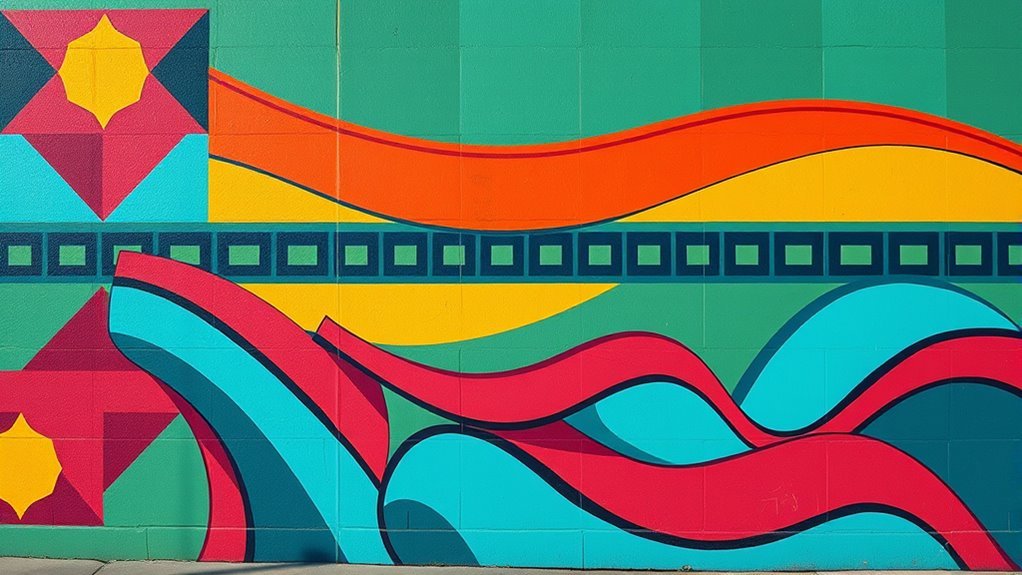
How does rhythm in art create a sense of movement? Rhythm uses visual patterns and repetition to guide your eye and evoke motion.
Different types of rhythm offer unique ways to achieve this:
- Regular rhythm repeats elements at consistent intervals, creating visual harmony and a steady flow.
- Alternating rhythm switches between contrasting motifs, adding variety and a dynamic sense of movement.
- Flowing rhythm uses organic, curved lines that mimic natural motion, producing calmness and fluidity.
- Progressive rhythm gradually changes size, color, or shape, suggesting development and continuous motion.
Frequently Asked Questions
What Is an Example of Rhythm in Art?
You’ll find rhythm in Van Gogh’s “Starry Night,” where swirling brushstrokes create movement and energy. It’s like the painting pulses, guiding your eye across the canvas with flowing, dynamic patterns.
Those patterns feel alive and vibrant, almost like the whole scene is dancing. It’s a great example of how rhythm works in art to keep you engaged.
What Are the 4 Types of Rhythm?
Ever wondered how artists create movement in static images? You’ll find four types of rhythm: regular, flowing, progressive, and alternating.
Each guides your eye differently, making the artwork feel alive and engaging in unique ways. It’s pretty cool how rhythm shapes what we see and feel.
What Is a Simple Definition of Rhythm?
Rhythm is when you repeat elements like shapes or colors in a pattern that creates movement or flow. It helps your eyes move smoothly across the artwork, making it feel balanced and engaging without feeling chaotic.
Basically, rhythm guides your eyes in a natural way. It keeps things interesting without overwhelming you.
What Are the 4 Types of Rhythm in Design?
You’ll find four types of rhythm in design: regular, flowing, alternating, and progressive. Each one creates movement in its own way.
Regular rhythm repeats consistently, making things feel steady and predictable. Flowing rhythm, on the other hand, uses curves to create a smooth, natural vibe.
Alternating rhythm switches elements back and forth, which keeps things interesting. And progressive rhythm gradually changes size or color, adding a sense of growth or motion.
Conclusion
You might think rhythm in art is just about repetition, but it’s so much more—it’s the heartbeat that guides your eyes and stirs emotions. When you notice rhythm, you connect deeply with the piece, feeling movement and flow instead of just seeing static images.
Embracing rhythm helps you appreciate art on a whole new level, making every experience more dynamic and memorable. Don’t overlook rhythm—it’s what brings art to life.
Rhythm in art creates a sense of movement and harmony that draws you in. It’s not just about patterns; it’s about how those patterns make you feel and how they guide your gaze across the artwork. Recognizing and appreciating rhythm lets you experience art more fully, turning simple visuals into engaging stories that resonate emotionally. So next time you look at a piece, pay attention to its rhythm—it’s the pulse that energizes the entire work and makes art truly captivating.